Why These Cookies Solve the Biggest Peanut Butter Cookie Problem
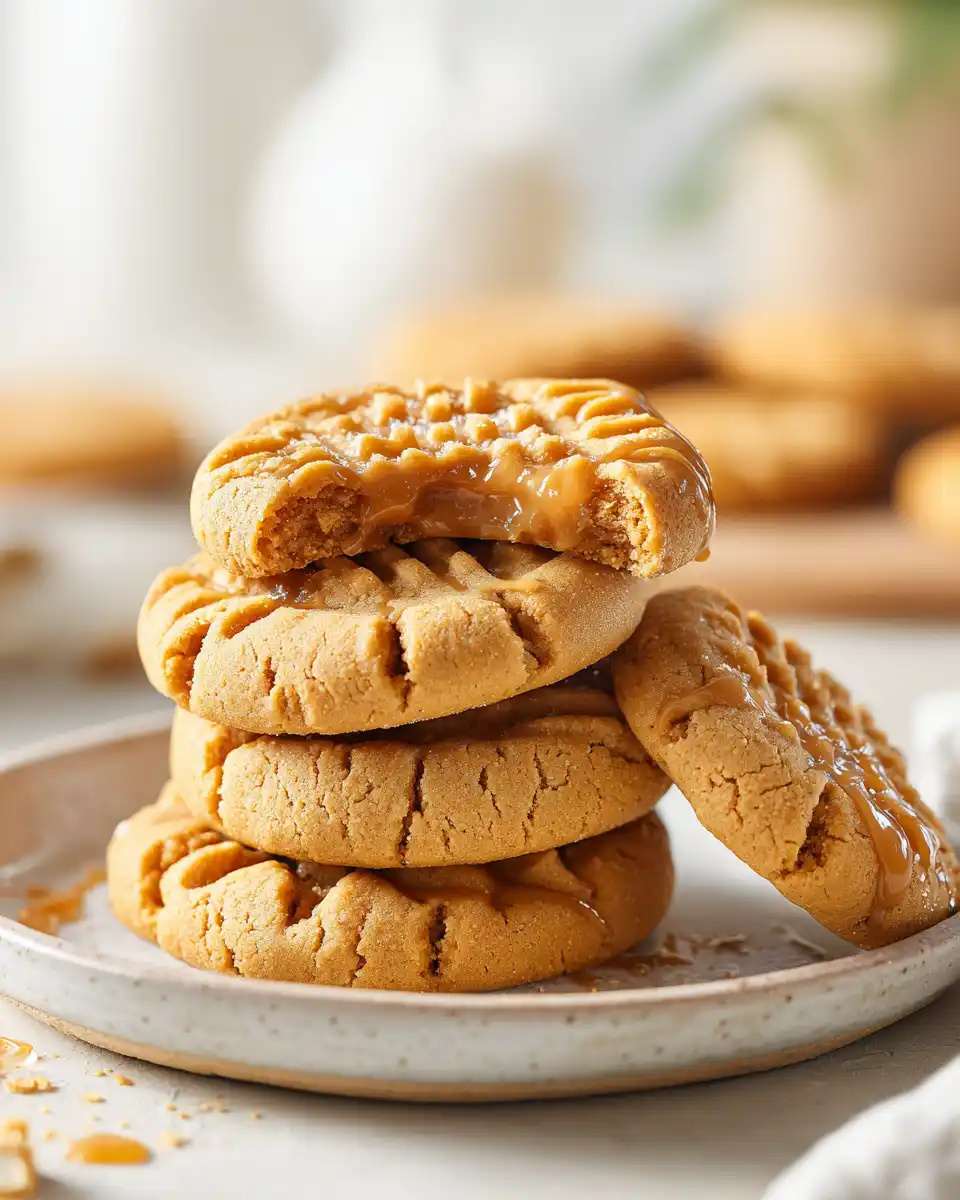
A lot of peanut butter cookies promise comfort and nostalgia, but too many bake up dry, sandy, or overly crisp by the second day. This recipe solves that problem by aiming for the sweet spot: lightly golden edges, a tender center, and enough peanut butter flavor to taste classic without turning heavy.
If you landed here from Pinterest, you’re probably hoping for that warm, bakery-style look with the crisscross top and a soft bite. If you came from Google, you likely want the same thing, but with fewer surprises and clearer guidance. This recipe is built for both.
These cookies are simple enough for an everyday bake, but they still feel like the kind of classic American cookie people remember from lunchboxes, holiday trays, and after-school snacks. The goal is not flashy. The goal is dependable, chewy comfort.
The Texture Blueprint: What Makes Them Soft Instead of Dry
Soft peanut butter cookies need more than “just don’t overbake.” They need the right balance of fat, sugar, structure, and bake time.
What usually makes peanut butter cookies dry is that peanut butter itself is dense and can make dough feel thicker than standard butter-based cookie dough. That’s part of why classic recipes often flatten the dough with a fork before baking, which helps the cookies bake more evenly instead of staying too domed and dense in the center.
For a chewy, soft result, this recipe leans on:
- butter for tenderness
- creamy peanut butter for classic flavor and body
- brown sugar for moisture and chew
- just enough granulated sugar for proper spread
- a short bake that leaves the centers slightly underdone
That last part matters most. Good soft peanut butter cookies often look a little too soft when they come out of the oven. As they cool on the sheet, the carryover heat finishes the structure without drying the middle. That same soft, thick, chewy target shows up again and again in strong baking references for peanut butter cookies.
Your Ingredient Choices Matter More Than You Think
Before you mix anything, here’s the ingredient logic behind this batch.
The lineup
- 1/2 cup unsalted butter, softened
- 3/4 cup creamy peanut butter
- 1/2 cup packed light brown sugar
- 1/3 cup granulated sugar
- 1 large egg
- 1 1/2 teaspoons vanilla extract
- 1 1/4 cups all-purpose flour
- 1/2 teaspoon baking soda
- 1/4 teaspoon baking powder
- 1/4 teaspoon salt
Why each one earns its place
Creamy peanut butter
Use a standard creamy peanut butter for the most predictable texture. Natural peanut butter can work, but it often changes spread and consistency because the oil separation makes the dough less stable.
Brown sugar + granulated sugar
The brown sugar keeps the cookies softer and gives them a deeper, more classic cookie-shop flavor. The granulated sugar helps them spread just enough and gives a delicate edge.
Butter
Butter rounds out the peanut butter so the cookies taste rich instead of dense. It also helps create that softer bite people usually want in an “easy classic” version.
A modest amount of flour
Too much flour is one of the fastest ways to lose softness. Measure carefully, spooning flour into the measuring cup and leveling it off rather than scooping directly from the bag.
Baking soda and baking powder together
This combination helps the cookies spread gently while still keeping some lift and tenderness.
If you enjoy cozy, bakery-style bakes, my One-Pot Butter Pecan Pound Cake is another great comfort-dessert option with a classic feel.
Build the Dough for Success
This dough comes together quickly, but the order matters because you want a smooth, even mixture without overworking it.
1. Cream the base
In a large mixing bowl, beat the softened butter, peanut butter, brown sugar, and granulated sugar until creamy and lighter in texture, about 2 to 3 minutes.
You’re not just combining ingredients here. You’re building the base that determines whether the cookies feel smooth and tender or heavy and compact.
2. Add the wet ingredients
Beat in the egg and vanilla until fully incorporated. Scrape down the bowl so everything mixes evenly.
At this stage, the dough should look silky, thick, and a little fluffy.
3. Add the dry ingredients
In a separate bowl, whisk together the flour, baking soda, baking powder, and salt. Add the dry ingredients to the wet ingredients and mix on low just until no flour streaks remain.
Do not keep mixing once the dough comes together. Overmixing is not dramatic in cookies the way it can be in cake, but it can still make the final texture tighter than you want.
4. Rest the dough briefly
Let the dough sit for 15 to 20 minutes in the refrigerator.
A full long chill is not mandatory for this version, but a short rest makes the dough easier to scoop and helps control spread. Recipes focused on thick, soft peanut butter cookies often use chilling for exactly that reason.
If you’re into easy homemade bakes with familiar ingredients, you may also like this Banana Bread Recipe Without Butter for another approachable pantry-friendly treat.
Shape, Press, and Bake Without Guesswork
This is the part where classic peanut butter cookies become unmistakably peanut butter cookies.
What to do
- Preheat your oven to 350°F.
- Line a baking sheet with parchment paper.
- Scoop the dough into 1 1/2 tablespoon portions.
- Roll each portion into a ball.
- Place them about 2 inches apart on the baking sheet.
- Dip a fork lightly in sugar, then press each dough ball once in one direction and again the other way to create the crisscross pattern.
- Bake for 9 to 11 minutes.
What to look for
Do not wait for a deep golden color. The cookies are ready when:
- the edges look lightly set
- the tops no longer look wet
- the centers still look a little soft
The fork-press step is not only visual tradition. It also helps flatten a dense dough so the cookies bake more evenly. Betty Crocker notes the same basic logic behind the classic fork marks, and King Arthur also presents this style as the classic format for mildly chewy peanut butter cookies.
Let the cookies cool on the baking sheet for 5 minutes before moving them to a wire rack. That short rest is what helps the centers stay tender instead of breaking apart when hot.
Read the Cookies Before the Timer Ends
This is the skill that separates “pretty good” cookies from cookies you want to make again next week.
Timers help, but cookies speak first.
Pull them early if:
- your oven runs hot
- the bottoms brown quickly
- the dough balls were slightly smaller
- the cookies have spread more than expected
Give them another minute if:
- the tops still look glossy and raw
- the edges are pale and unstable
- the fork lines have almost disappeared into underbaked dough
What the perfect batch feels like
When you touch the edge lightly, it should feel set. The middle should feel soft but not liquid. That is the moment to take them out.
This approach matters because soft peanut butter cookies continue to set on the hot tray after baking. If you wait until the centers feel fully firm in the oven, you often cross into dry-cookie territory by the time they cool.
For another dessert recipe with a creamy, crowd-friendly payoff, see this Philadelphia Cheesecake Recipe.
Easy Ways to Keep the Batch Soft for Days
Freshness matters almost as much as the initial bake.
Once the cookies are completely cool, store them in an airtight container at room temperature. USDA guidance notes that cookies are typically stored at room temperature, while quality gradually declines over time rather than safety disappearing immediately.
To help them stay soft:
- let them cool fully before storing
- use a tightly sealed container
- keep them away from direct heat or sunlight
- separate layers with parchment if stacking
These cookies are best in the first 3 days for peak softness, though they often stay enjoyable longer if sealed well. You can also freeze them once cooled.
Freezing options
- Freeze baked cookies in a freezer-safe container for up to 2 months.
- Freeze portioned dough balls and bake from chilled or slightly thawed.
If freezing dough balls, press them lightly before freezing so the crisscross step is easier later.
Small Tweaks for Different Peanut Butter Cookie Moods
The base recipe is classic, but it adapts well without losing its identity.
For extra chew
Use all brown sugar instead of splitting the sugars. The cookies will be slightly darker, softer, and more bendy in the center.
For a bakery-style finish
Sprinkle a little granulated sugar on top before baking. It creates a delicate sparkle and a slightly more defined surface.
For a richer flavor
Add 1/2 cup peanut butter chips or chopped roasted peanuts. This turns the cookies more snacky and indulgent.
Chill the shaped dough balls for 20 to 30 minutes before baking. That extra cold start slows spread and gives a puffier center, a technique echoed in several soft-style peanut butter cookie formulas.
For a holiday tray version
Dip half of each cooled cookie in melted chocolate and let it set. The peanut butter-chocolate combination always feels familiar and crowd-pleasing.
The Full Recipe Card
Yield
About 22 cookies
Time
- Prep: 15 minutes
- Dough rest: 15 to 20 minutes
- Bake: 9 to 11 minutes
- Total: about 40 minutes
Ingredients
- 1/2 cup unsalted butter, softened
- 3/4 cup creamy peanut butter
- 1/2 cup packed light brown sugar
- 1/3 cup granulated sugar, plus a little extra for pressing
- 1 large egg
- 1 1/2 teaspoons vanilla extract
- 1 1/4 cups all-purpose flour
- 1/2 teaspoon baking soda
- 1/4 teaspoon baking powder
- 1/4 teaspoon salt
Method
- Preheat the oven to 350°F and line a baking sheet with parchment paper.
- Beat the butter, peanut butter, brown sugar, and granulated sugar until creamy, about 2 to 3 minutes.
- Beat in the egg and vanilla.
- In a separate bowl, whisk the flour, baking soda, baking powder, and salt.
- Add the dry ingredients to the wet ingredients and mix just until combined.
- Chill the dough for 15 to 20 minutes.
- Scoop 1 1/2 tablespoon portions, roll into balls, and place 2 inches apart on the prepared baking sheet.
- Press each ball with a fork in a crisscross pattern.
- Bake for 9 to 11 minutes, until the edges are set and the centers are still soft.
- Cool on the baking sheet for 5 minutes, then transfer to a wire rack.
Emily’s note
These are the cookies I make when I want something classic, cozy, and impossible to overthink. The trick is trusting the soft center and pulling them before they look fully done.
Peanut Butter Cookie Questions People Actually Ask
Do I have to chill the dough?
Not strictly, but a short chill makes the dough easier to handle and helps prevent excess spreading. For softer, thicker cookies, it’s a very helpful step.
Can I use natural peanut butter?
You can, but the texture is less predictable. For the easiest classic American peanut butter cookies, standard creamy peanut butter is the safer choice.
Because the dough is dense and benefits from flattening before baking. The crisscross top has become the iconic visual cue, but it also helps the cookies bake more evenly.
How do I know they’re not underbaked?
The edges should look set and the top should no longer appear wet. The center should still look soft. That soft center firms up as the cookies cool.
Can I make them ahead?
Yes. You can refrigerate the dough for a day before baking, or freeze shaped dough balls for a future batch.
A cold glass of milk is the obvious classic, but they’re also great with coffee or as part of a dessert board with cheesecake bars, banana bread slices, or chocolate-dipped fruit.