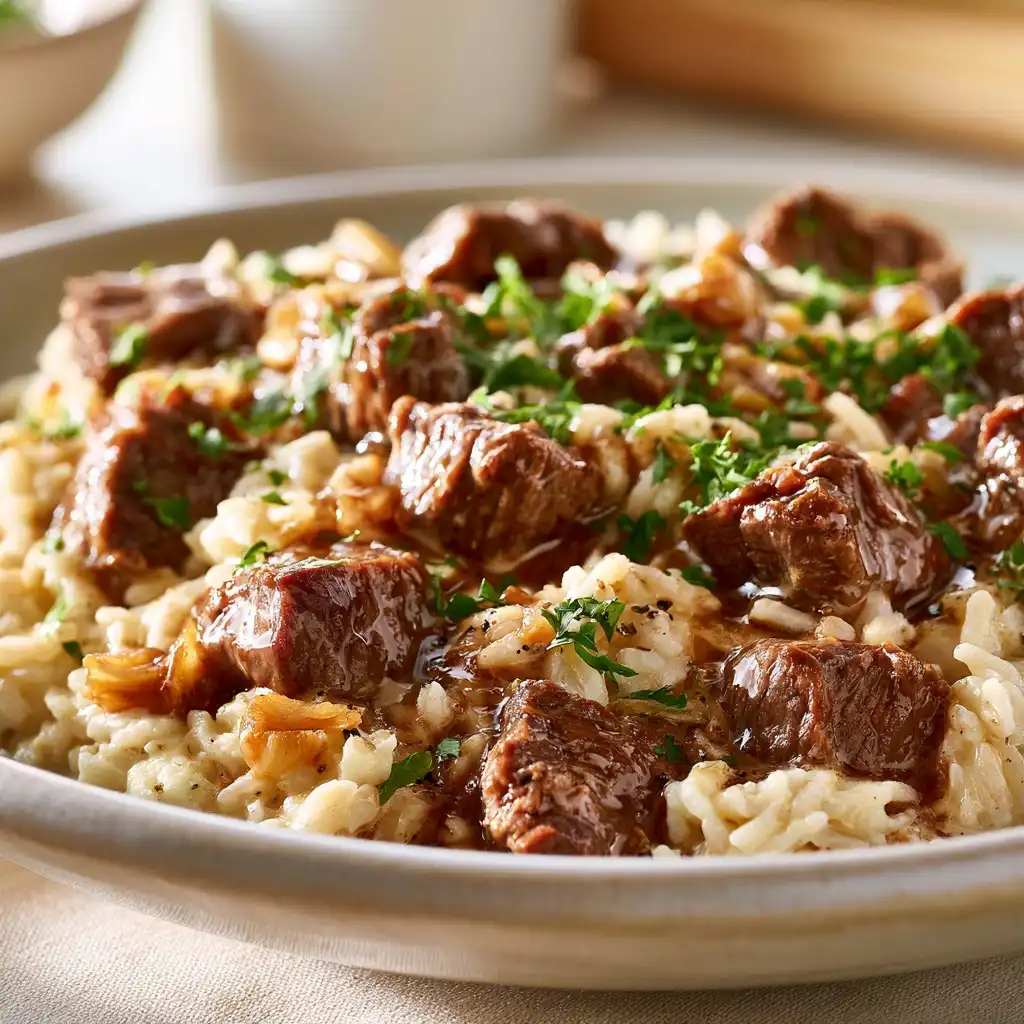
Why This Pot Works on Real Weeknights

A good beef chili solves a very specific dinner problem: you want something hearty, deeply savory, and filling, but you do not want to juggle three pans, babysit a complicated sauce, or end up with a bland red pot that only tastes like canned tomatoes.
This version is built for that exact moment. It is a true one-pot dinner with enough body to feel comforting, enough structure to meal prep well, and enough flexibility to work whether your family likes a milder bowl or a bolder one.
Chili has always lived in that space between practicality and comfort food, with regional styles ranging from bean-free Texas red to more everyday home versions built with tomatoes and beans. For a weeknight kitchen, the real goal is not to win a debate about authenticity. The goal is to make a pot that tastes rich, balanced, and worth reheating tomorrow.
Jake’s take: the difference between average chili and the kind people remember is not fancy ingredients. It is the order. Brown first, bloom the spices, control the liquid, and let the pot tighten gradually instead of rushing it.
Build the Chili Base Before You Ever Simmer
Before the burner goes on, think of this chili in four jobs: beef depth, aromatic sweetness, chile warmth, and body.
What goes into the pot
For the savory foundation
- 2 pounds ground beef, preferably 85/15 or 90/10
- 1 tablespoon olive oil, only if your beef is very lean
- 1 large yellow onion, diced
- 1 green bell pepper, diced
- 4 garlic cloves, minced
For the chili flavor core
- 3 tablespoons chili powder
- 2 teaspoons ground cumin
- 2 teaspoons smoked paprika
- 1 teaspoon dried oregano
- 1/2 teaspoon black pepper
- 1/4 to 1/2 teaspoon cayenne, optional
- 1 1/2 teaspoons kosher salt, plus more to taste
For body and simmer
- 2 tablespoons tomato paste
- 1 can (28 ounces) crushed tomatoes
- 1 can (15 ounces) tomato sauce
- 1 to 1 1/2 cups beef broth
For classic hearty texture
- 2 cans (15 ounces each) beans, drained and rinsed
Kidney beans and pinto beans are my favorite mix.
Optional finishing touches
- 1 teaspoon brown sugar, only if your tomatoes taste sharp
- 1 teaspoon Worcestershire sauce
- 1 tablespoon lime juice, added at the end if the pot tastes flat
The ingredient decisions that matter
Ground beef:
Use enough fat to build flavor, but not so much that the pot turns greasy. 85/15 gives you a richer chili. 90/10 is cleaner and still works well.
Beans:
Beans make this style more weeknight-friendly, more filling, and better for leftovers. Rinsing canned beans helps wash away some excess sodium, which gives you a little more control over final seasoning.
Tomato products:
Crushed tomatoes give body. Tomato sauce smooths the texture. Tomato paste deepens the base. Using all three is what makes the chili taste developed without needing an all-day simmer.
Broth:
Start lighter than you think. Chili is easier to loosen than rescue after it goes too soupy.
If you enjoy comfort-forward ground beef dinners, this same practical weeknight logic also works in my One-Pot Taco Ground Beef Pasta and Cheesy Hamburger Rice Casserole.
The One-Pot Flavor Sequence
This is where the recipe becomes more than a pile of ingredients.
1. Brown the beef like you mean it
Set a heavy Dutch oven or deep pot over medium-high heat. Add the beef and break it into chunks, not tiny crumbs. Let parts of it sit long enough to brown before stirring.
Cook for 6 to 8 minutes, until no pink remains and you have visible browning on portions of the meat. If there is excessive fat, spoon off most of it, but leave a little behind for flavor.
2. Build sweetness and structure
Add the onion and bell pepper directly to the pot. Cook for 4 to 5 minutes until softened. Stir in the garlic and cook for 30 seconds.
You are not just softening vegetables here. You are rounding out the beef and setting up the whole pot to taste fuller, not harsh.
3. Bloom the spice layer
Add chili powder, cumin, smoked paprika, oregano, black pepper, cayenne if using, and salt. Stir for 30 to 45 seconds so the spices hit the hot fat and wake up.
Then stir in the tomato paste and cook for 1 minute. This step gives the chili a darker, more concentrated backbone.
4. Form the chili body
Add crushed tomatoes, tomato sauce, and 1 cup beef broth. Stir well, scraping up any browned bits stuck to the bottom.
Bring the pot to a gentle simmer, not a hard boil.
5. Add the beans and let time do its job
Stir in the drained, rinsed beans. Lower the heat and simmer partially covered for 35 to 45 minutes, stirring every 10 minutes or so.
If the chili tightens too quickly, add the extra 1/2 cup broth a little at a time. If it still looks loose after 40 minutes, uncover it for the last 10 minutes.
6. Finish with balance
Taste. Add Worcestershire sauce if you want more savory depth. Add brown sugar only if the tomatoes feel sharp. Add a little lime juice if the pot tastes heavy and needs brightness.
For food safety, ground beef should reach 160°F. In a simmered chili like this, that is usually easy to achieve, but a thermometer is the cleanest way to confirm it.
How to Read the Pot as It Cooks
A lot of home cooks treat chili like a passive simmer. I do not. Chili talks back, and if you know what to look for, you can steer it.
If it looks watery
Do not panic and do not dump in flour. Remove the lid and keep it at a low, steady simmer. Stir occasionally so the bottom does not catch.
Chili thickens best through reduction, not shortcuts.
If it looks tight too early
Add broth in small splashes, not big pours. You want to maintain body, not turn the pot into soup.
If the flavor feels flat
Usually one of three things is missing:
- salt
- acid
- time
A pinch of salt, a small squeeze of lime, or another 10 minutes of simmering often fixes more than extra chili powder ever will.
If it tastes harsh or too tomato-forward
That usually means the spice layer did not cook enough before the liquid went in, or the pot needs longer to settle. Simmering mellows that raw edge. A tiny bit of brown sugar can help too, but use it as a balancing tool, not a shortcut.
This same “read the pan, then adjust” approach is why recipes like Creamy Parmesan Garlic Beef Bowtie Pasta feel more reliable once you understand what the pot is supposed to look like at each stage.
Dialing In Heat, Beans, and Tomato Balance
This is where you make the chili yours without breaking it.
For more heat
Add cayenne gradually, or stir in diced jalapeño with the onions and peppers. Heat should sit in the background unless you want a sharper, spicier finish.
For a beefier chili
Use slightly less bean volume or swap one can of beans for an extra 1/2 pound of beef. That shifts the bowl toward a meatier, chili-parlor feel.
For a thicker, spoon-standing bowl
Simmer uncovered longer. You can also mash a small scoop of beans against the side of the pot and stir them back in for a naturally thicker texture.
For a lighter, more brothy bowl
Add extra broth near the end and serve it with rice or cornbread. It becomes less dense but still satisfying.
For deeper smoky flavor
A little extra smoked paprika helps, but restraint matters. Too much smoke muddies the chili instead of improving it.
What I like about this version is that it keeps the classic comfort-food profile most readers are after: beef, beans, tomato, chile spice, and enough body to hold toppings without collapsing.
Best Ways to Serve It Tonight
Serve this chili hot, with toppings that add contrast instead of more heaviness.
My favorite topping set
- shredded cheddar
- sour cream or Greek yogurt
- sliced green onions
- diced red onion
- chopped cilantro
- crushed tortilla chips
Best side options
- cornbread
- warm rice
- baked potatoes
- simple green salad
- buttered toast for a diner-style feel
If you are planning a comfort-food menu, chili pairs especially well with something sweet and simple later, like Philadelphia Cheesecake Recipe.
How to Turn It Into Tomorrow’s Meal
One of chili’s best features is that it often tastes even better the next day. The flavors settle, the spices round out, and the texture tightens in a really satisfying way.
Here are my favorite second-day uses:
Chili baked potatoes
Split baked potatoes and spoon chili over the top with cheese and green onions.
Chili mac
Loosen leftover chili with a splash of broth and fold it into cooked pasta for a fast stovetop dinner.
Chili rice bowls
Serve it over rice with avocado, shredded lettuce, and a dollop of sour cream.
Loaded nachos
Scatter tortilla chips on a tray, top with chili and cheese, then broil until bubbly.
That reuse value is exactly why this recipe works so well for meal prep. It is not just one dinner. It is a base for two or three easy follow-up meals.
Store, Freeze, and Reheat It Like a Pro
Let the chili cool slightly, then transfer it into shallow containers rather than leaving a giant hot pot in the refrigerator.
According to USDA guidance, leftovers should be refrigerated within 2 hours, kept in the fridge for 3 to 4 days, or frozen for 3 to 4 months for best quality.
Refrigerator
Store in airtight containers for up to 4 days.
Freezer
Freeze in meal-size portions so you can thaw only what you need. Flattened freezer bags save space and thaw faster.
Reheating
Reheat on the stovetop over medium-low heat with a splash of broth or water if it has thickened too much. Microwave reheating works too, but stir halfway through so the center heats evenly.
If you are batch-cooking for the week, this is one of the most forgiving one-pot recipes you can make.
Quick Answers Before You Start
Can I make this without beans?
Yes. Reduce the broth slightly and let the beef-tomato base simmer down a bit longer so the chili still has good body.
What is the best beef for chili?
Ground beef is the easiest and most practical choice for a classic weeknight pot. For richer flavor, 85/15 is excellent.
Can I make it ahead?
Absolutely. In fact, it is one of the rare dinners that often improves after a night in the fridge.
Is this chili very spicy?
Not by default. It is warmly spiced more than aggressively hot. You control the cayenne and jalapeño.
Do I need a Dutch oven?
No. Any heavy-bottomed deep pot works, as long as it holds heat steadily and gives the chili room to simmer without splashing.
What if I want a different one-pot comfort dinner next time?
You would probably enjoy Cheesy Ground Beef & Potato Casserole for the same hearty payoff in a different form.