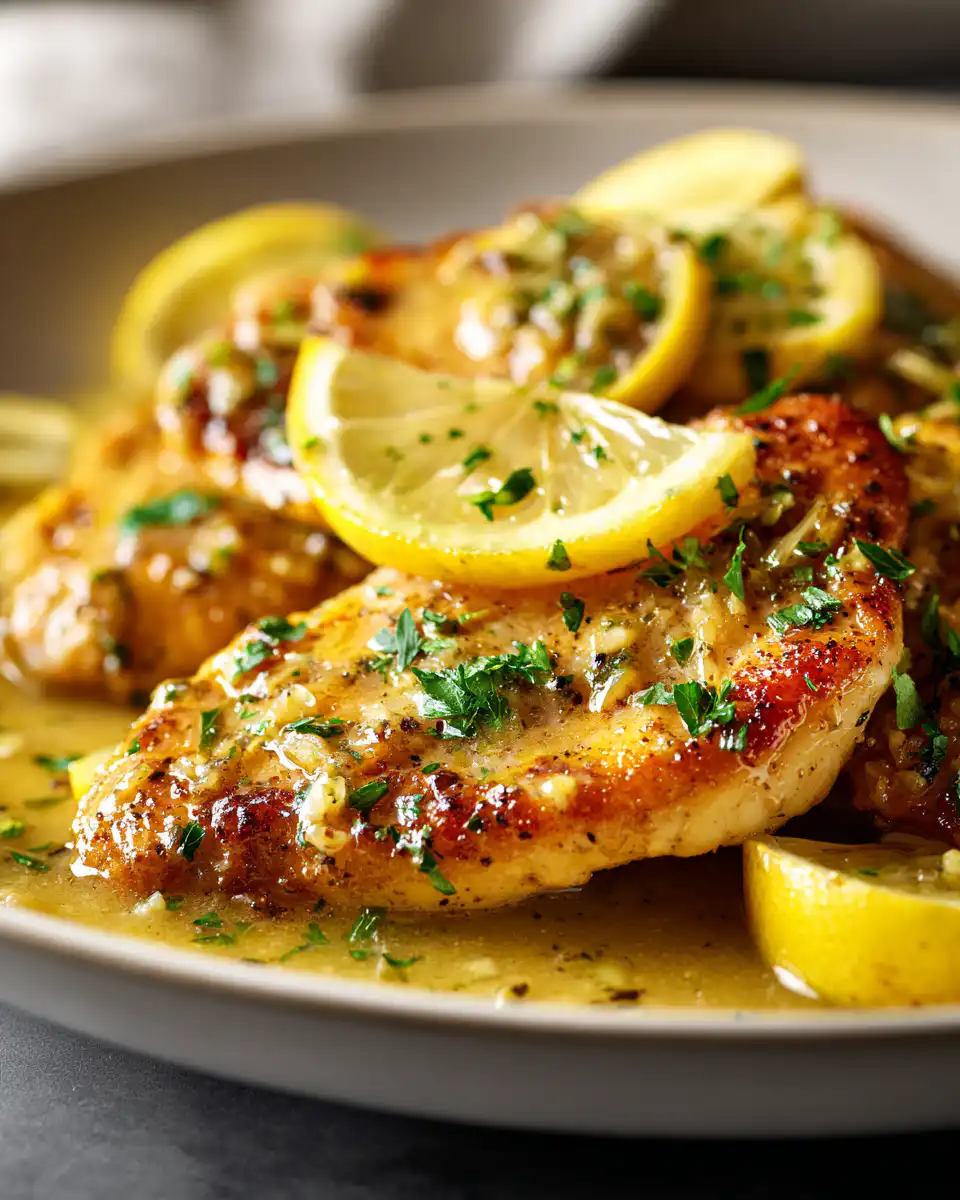
When you want dinner to taste fresh, fast, and actually satisfying, this lemon chicken recipe solves the problem in one skillet. It gives you juicy chicken, a glossy lemon sauce, and bright flavor that wakes up plain weeknight cooking without making the meal feel complicated.
Some lemon chicken recipes lean too sour, too buttery, or too dry. This one stays balanced by using lemon in layers, controlling the heat, and building a light pan sauce that coats the chicken instead of drowning it.
What Makes This Lemon Chicken Worth Making Tonight
This is the kind of dinner that feels lighter than a creamy chicken dish but still gives you real comfort. The lemon brings brightness, the garlic gives depth, and the chicken stays tender because it is cooked quickly and finished gently in the sauce.
It is also a strong weeknight choice because it answers a common dinner question: how do you make chicken taste exciting without adding a lot of effort?
Here is why this recipe works:
- It uses everyday ingredients
- It cooks in about 30 minutes
- It tastes fresh instead of heavy
- It pairs with rice, potatoes, pasta, or vegetables
- It gives you a flexible base for easy sides
If you enjoy bright chicken dinners, you may also like this Slow Cooker Lemon Herb Chicken and Rice for an even more hands-off option.
The Flavor Balance That Keeps Lemon Chicken From Tasting Sharp
The biggest mistake in lemon chicken is using lemon as a blunt tool. If you dump too much juice into the pan at the wrong time, the sauce can taste harsh and thin. If you only use lemon at the very end, the flavor can sit on top of the chicken instead of becoming part of the dish.
This recipe uses a better balance:
- Lemon zest for fragrant citrus aroma
- Lemon juice for clean brightness
- Chicken broth to round out the acidity
- Butter to soften sharp edges
- Garlic to make the sauce taste warm and savory
That balance matters because lemon should make chicken taste fresher, not more aggressive.
Quick control guide
Use this simple rule while cooking:
- Want more fresh citrus aroma? Add more zest
- Want more tangy brightness? Add a little more juice
- Want a rounder, softer sauce? Add a small extra piece of butter
- Want more savory depth? Let the garlic cook briefly before adding liquid
Good lemon chicken tastes lively and glossy. Bad lemon chicken tastes sour, watery, or flat.
Ingredients for a Bright, Juicy Skillet Dinner
This ingredient list is short, but each item has a purpose.
Main ingredients
- 1 1/2 pounds boneless, skinless chicken breasts or chicken cutlets
- 1 teaspoon kosher salt
- 1/2 teaspoon black pepper
- 1/2 teaspoon paprika
- 1/4 cup all-purpose flour, for light coating
- 2 tablespoons olive oil
- 2 tablespoons unsalted butter, divided
- 3 garlic cloves, minced
- 1 teaspoon lemon zest
- 1/4 cup fresh lemon juice
- 3/4 cup low-sodium chicken broth
- 1 teaspoon honey
- 1 tablespoon chopped fresh parsley
- Lemon slices, for serving
Optional add-ins
- Pinch of red pepper flakes for gentle heat
- 1 tablespoon capers for a briny finish
- Fresh thyme for a slightly earthy note
Why the flour matters
A very light flour coating helps the chicken brown better and gives the sauce something to cling to. It does not create a heavy crust. Instead, it builds that lightly silky, restaurant-style finish people usually want from skillet chicken.
If you want another easy chicken dinner with cozy appeal, this Honey Garlic Chicken Breasts (30-Minute Dinner) is another great weeknight option.
The Best Chicken to Use for This Recipe
You can make this with chicken breasts, thin-sliced cutlets, or boneless skinless thighs, but the texture changes depending on what you choose.
Best option for speed
Thin chicken breasts or cutlets are the best choice if your goal is a true 30-minute dinner. They cook fast, brown evenly, and stay tender if you stop as soon as they reach doneness.
Best option for extra juiciness
Boneless skinless chicken thighs are more forgiving and naturally juicier, but they create a slightly richer result and may need a bit more cooking time.
Decision fork: breasts or thighs?
Choose chicken breasts if you want:
- a lighter feel
- fast cooking
- neat slices for serving over rice or pasta
Choose chicken thighs if you want:
- a juicier texture
- richer flavor
- more flexibility if you tend to overcook chicken
If using thick chicken breasts, slice them horizontally into thinner pieces. This is one of the easiest ways to prevent dry chicken. Thin pieces cook more evenly, which means the outside does not overcook before the center is done.
Step-by-Step: How to Make Lemon Chicken
1. Prep the chicken
Pat the chicken dry with paper towels. This matters more than people think. Wet chicken steams in the pan instead of browning.
Season both sides with salt, pepper, and paprika. Lightly coat the chicken with flour, shaking off the excess. You want a thin dusting, not a thick layer.
2. Sear until golden
Heat the olive oil in a large skillet over medium-high heat. When the oil looks loose and shiny, add the chicken in a single layer.
Cook for about 3 to 5 minutes per side, depending on thickness, until lightly golden. Do not move the chicken too early. If it sticks at first, give it another 30 seconds. Once a crust forms, it usually releases more easily.
Transfer the chicken to a plate.
3. Build the lemon sauce
Lower the heat to medium. Add 1 tablespoon butter to the skillet, then add the garlic. Stir for about 20 to 30 seconds, just until fragrant.
This is an important moment. Garlic should smell warm and savory, not dark or bitter. If it starts browning fast, lower the heat immediately.
Add the lemon zest, lemon juice, chicken broth, and honey. Stir and scrape the pan to lift the browned bits. Those bits are where a lot of the flavor lives.
Let the sauce simmer for 2 to 3 minutes so it reduces slightly.
4. Return the chicken to the pan
Add the chicken and any juices from the plate back into the skillet. Spoon some sauce over the top.
Cook for another 2 to 4 minutes, or until the chicken is cooked through. The exact time depends on thickness. The chicken should feel firm but still springy, not tight and stiff.
5. Finish for gloss and balance
Turn off the heat. Add the remaining 1 tablespoon butter and swirl it into the sauce. Stir in parsley.
This last bit of butter changes the texture of the sauce. It makes it look smoother, taste rounder, and cling better to the chicken.
Top with lemon slices and serve right away.
Good vs Bad Lemon Chicken: What Changes the Result
This recipe is simple, but a few choices have a big effect on the final dinner.
Good result
- Chicken is lightly golden, not pale
- Sauce is glossy, not watery
- Lemon flavor tastes fresh, not harsh
- Garlic tastes fragrant, not bitter
- Chicken stays juicy when sliced
Bad result
- Chicken is overcooked and dry
- Sauce tastes too sour
- Pan sauce breaks or feels greasy
- Garlic burns and turns the sauce bitter
- Lemon overwhelms everything else
Mistakes to avoid
1. Using high heat for the entire recipe
High heat is helpful for browning, but not for finishing the sauce. Once the garlic goes in, control matters more than speed.
2. Adding too much lemon juice too soon
That can make the whole skillet taste sharp. Start balanced, then adjust at the end.
3. Skipping the resting moment
Even a short rest after searing helps keep juices inside the chicken.
4. Overcrowding the skillet
If the chicken pieces touch too much, they steam. Steam gives you gray chicken instead of golden chicken.
Easy Ways to Serve Lemon Chicken
One reason this recipe works so well is that it slides into many dinner situations.
For a simple weeknight plate
Serve it with:
- steamed rice
- mashed potatoes
- roasted baby potatoes
- buttered noodles
- green beans
- asparagus
- broccoli
For a lighter dinner
Pair it with:
- arugula salad
- cucumber tomato salad
- roasted zucchini
- cauliflower rice
For a more filling family meal
Serve the chicken over pasta or rice and spoon the sauce over everything. That bright sauce turns a basic starch into part of the meal.
For another fresh chicken dinner idea, your readers may also enjoy this Sheet Pan Lemon Herb Chicken and Veggies, especially on busy evenings.
Simple Variations for Different Nights
This lemon chicken recipe is a strong base. Once you know how the sauce behaves, you can change the direction without losing the easy feel of the dish.
Creamy lemon chicken
Add 2 to 3 tablespoons of heavy cream or a splash of half-and-half at the end for a softer, richer sauce.
Lemon chicken with spinach
Stir in a few handfuls of baby spinach at the end and let it wilt in the hot sauce.
Lemon caper chicken
Add capers for a salty, briny contrast that works especially well with pasta.
Herby lemon chicken
Use parsley plus thyme or dill for a greener, more aromatic finish.
Meal prep version
Slice the cooked chicken and serve with rice and roasted vegetables. The lemon flavor holds up well for next-day lunches, especially if you pack extra sauce separately.
If meal prep is the goal, this Lemon Chicken Meal Prep with Roasted Veggies would be a natural related read.
Storage, Reheating, and Leftover Tips
Store leftover lemon chicken in an airtight container in the refrigerator for up to 3 days.
Best reheating method
Reheat gently in a skillet over low heat with a splash of broth or water. This helps loosen the sauce and keeps the chicken from drying out.
Microwave tip
If using the microwave, cover loosely and heat in short intervals. Stop as soon as the chicken is warm. Overheating is what makes leftovers tough.
Leftover ideas
Use leftover lemon chicken in:
- wraps
- rice bowls
- chopped salads
- warm grain bowls
- pasta with extra vegetables
The leftover flavor is especially good with rice, spinach, cucumbers, or roasted broccoli because the citrus keeps the meal from tasting heavy the next day.
FAQ: Lemon Chicken Recipe
Can I use bottled lemon juice?
Fresh lemon juice is much better here. Bottled juice often tastes flatter and more acidic in a one-pan sauce. Since lemon is the main flavor, fresh makes a noticeable difference.
How do I know when the chicken is done?
Chicken is done when the center is no longer pink and the internal temperature reaches 165°F. If you do not have a thermometer, slice into the thickest part and check that the juices run clear.
Can I make this recipe without flour?
Yes. The flour helps with browning and gives the sauce a slightly silkier finish, but the recipe still works without it. The sauce will just be a bit lighter and thinner.
Is lemon chicken very sour?
Not this version. It is bright and zesty, but balanced with broth, butter, and a little honey so the flavor stays fresh instead of sharp.
What sides go best with lemon chicken?
Rice, roasted potatoes, pasta, green beans, asparagus, and simple salads all work well. Choose a side that can catch the sauce.
Can I make this ahead?
Yes, but it is best freshly made. If making ahead, slightly undercook the chicken at first, then reheat gently with the sauce so it stays juicy.
This lemon chicken recipe is one of those rare dinners that feels both practical and polished. It is fast enough for a Tuesday, fresh enough for spring and summer cravings, and flexible enough to serve with whatever side you already have. When dinner needs to taste brighter without becoming harder, this is the kind of skillet meal that earns a repeat spot.