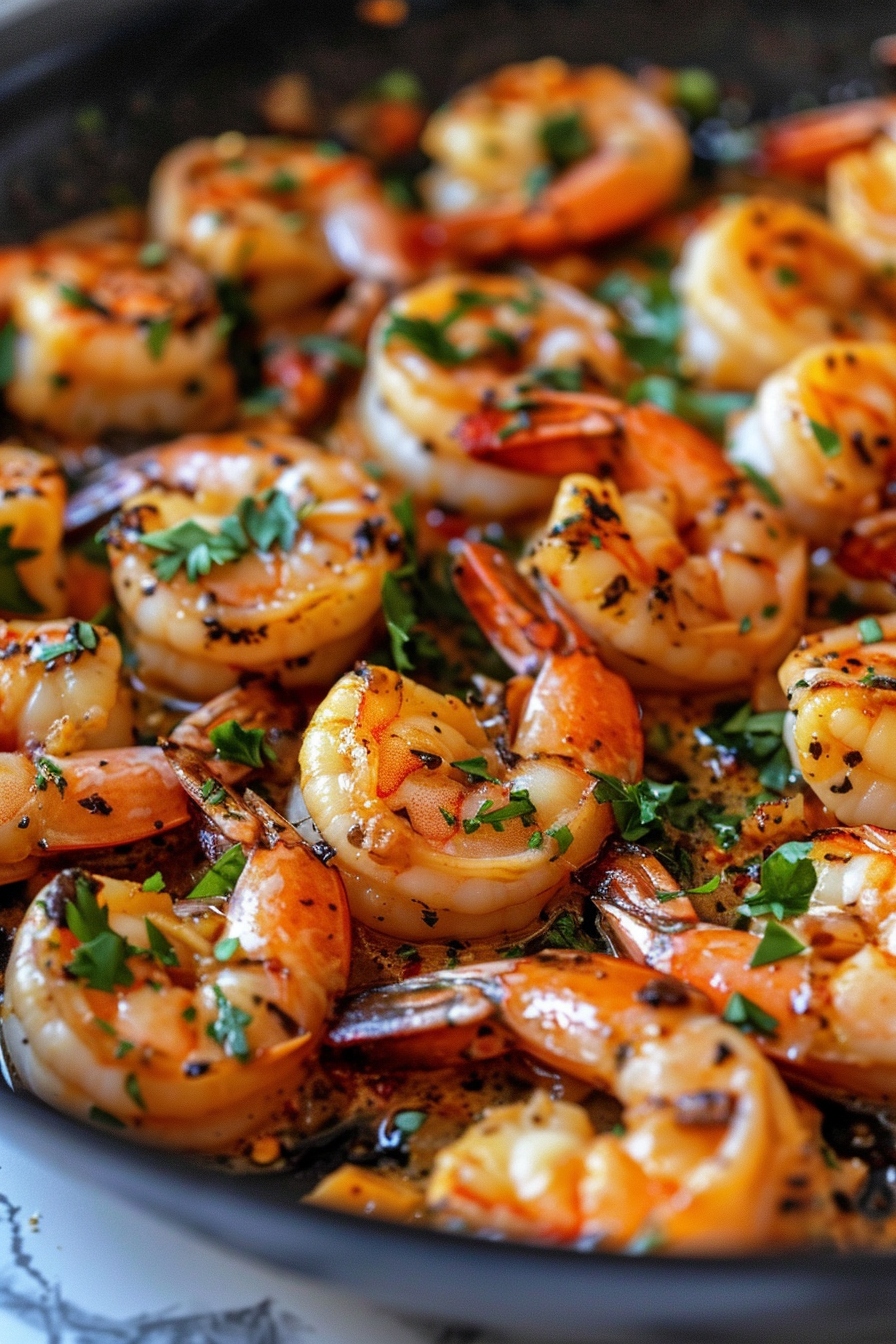
Garlic butter shrimp skillet is a quick, elegant protein dish that delivers restaurant-quality results in your home kitchen. This skillet meal combines succulent shrimp with aromatic garlic, rich butter, and fresh herbs for a complete dinner that cooks in just 10 minutes. No complicated techniques, no lengthy prep work, only straightforward cooking that produces impressive, restaurant-style flavors. Whether you need a busy weeknight solution or an impressive meal for guests, this garlic butter shrimp skillet solves the time-versus-taste dilemma completely.
| Prep Time | Cook Time | Total Time | Servings | Difficulty | Cuisine |
|---|---|---|---|---|---|
| 5 minutes | 5 minutes | 10 minutes | 4 servings | Easy | Mediterranean |
Why This Recipe Works
This garlic butter shrimp skillet works because shrimp cooks faster than nearly any protein, requiring only heat and flavor to transform into a restaurant-quality meal. The combination of melted butter with minced garlic creates an emulsion that naturally coats each shrimp in rich, garlicky flavor without any cream or heavy ingredients. When you add lemon juice at the end, the acid brightens the dish and prevents the butter sauce from feeling heavy or one-dimensional.
The skillet method concentrates flavors directly in the pan, allowing the shrimp to develop a light golden exterior while the butter infuses every surface. Since everything cooks together, you avoid multiple pots and cleanup becomes minimal. This approach solves the common dinner problem: quality takes time, but this recipe proves that excellent meals don’t require hours of preparation.
Fresh herbs and garlic provide depth and complexity without relying on cream sauces or complicated techniques. The recipe balances rich butter with fresh acidity, creating a dish that feels elegant yet achievable on a typical Tuesday evening.
Ingredients
This garlic butter shrimp skillet uses straightforward ingredients that deliver maximum flavor with minimal shopping.
| Ingredient | Quantity | Notes |
|---|---|---|
| Shrimp (peeled, deveined) | 1.5 pounds | Large shrimp (16-20 count). Pat dry before cooking for better searing. |
| Unsalted butter | 4 tablespoons | Cold butter creates better emulsion. Divide between cooking phases. |
| Garlic cloves (minced) | 6 cloves | Fresh garlic only. Pre-minced garlic lacks the bright, sharp flavor needed here. |
| Fresh lemon juice | 3 tablespoons | Freshly squeezed from 1-2 lemons. Bottled juice produces a flat, acidic taste. |
| Fresh parsley (chopped) | 3 tablespoons | Flat-leaf parsley provides cleaner flavor. Add just before serving to preserve brightness. |
| Sea salt | 1 teaspoon | Season shrimp before cooking. Adjust final taste after lemon juice addition. |
| Black pepper (freshly ground) | 1/2 teaspoon | Fresh pepper delivers better flavor than pre-ground. Add just before serving. |
| Red pepper flakes (optional) | 1/4 teaspoon | Adds subtle heat without overwhelming the delicate shrimp flavor. |
Step-by-Step Instructions
Preparation Phase
- Pat the shrimp completely dry with paper towels. This step is critical for achieving a golden sear and removes excess moisture that would steam rather than brown the shrimp.
- Season the shrimp evenly with sea salt and freshly ground black pepper on both sides. Even distribution ensures every bite has consistent seasoning.
- Mince the garlic cloves finely by hand or using a food processor. Using fresh garlic delivers bright, sharp flavor that powers this entire dish.
- Juice the lemons and measure out exactly 3 tablespoons. Set aside separately to prevent premature cooking of the delicate shrimp.
Cooking Phase
- Heat a 12-inch stainless steel or cast iron skillet over medium-high heat for 2 minutes until the pan is hot but not smoking.
- Add 2 tablespoons of cold butter to the hot pan and swirl to coat the bottom evenly. This creates the base for shrimp searing without excess oil.
- Once the butter foams and the foam subsides, add the shrimp in a single layer without crowding. Work in batches if necessary to ensure each shrimp touches the pan.
- Cook the shrimp for exactly 90 seconds on the first side without moving them. This timing allows the shrimp exterior to turn from translucent to opaque pink without overcooking the tender interior.
- Flip each shrimp and cook for another 60 seconds on the second side until the entire shrimp is opaque. Shrimp continues cooking slightly from residual heat even after removal.
- Transfer the cooked shrimp to a clean plate and set aside. Do not wash the skillet as the browned bits add depth to your sauce.
Sauce and Finishing Phase
- Reduce the skillet heat to medium and add the remaining 2 tablespoons of cold butter to the pan, swirling to combine with the existing butter and browned bits.
- Add the minced garlic immediately and cook for exactly 45 seconds while stirring constantly. This brief window allows the garlic to become fragrant without burning or turning bitter.
- Pour in the fresh lemon juice carefully and stir for 10 seconds. The acid will bubble slightly and deglaze the pan, lifting all the flavorful brown bits.
- Return the cooked shrimp to the skillet and toss gently to coat each piece in the garlic butter sauce. The residual heat will warm the shrimp through while the sauce coats every surface.
- Remove from heat and stir in the fresh parsley immediately. Adding herbs at the very end preserves their bright, fresh flavor.
- Taste and adjust seasoning with additional salt, pepper, or lemon juice as needed. The sauce should be glossy, fragrant, and perfectly balanced between rich butter and bright acidity.
Pro Tips for Best Results
- Bring shrimp to room temperature 15 minutes before cooking. Cold shrimp straight from refrigeration will cook unevenly and require additional pan time, risking an overcooked exterior and undercooked interior.
- Use a stainless steel skillet instead of nonstick to develop fond (browned bits). This fond creates the deep, savory base for your butter sauce and develops only on surface that can withstand high heat.
- Never crowd the shrimp in the pan. Overcrowding drops the temperature too rapidly and forces the shrimp to steam rather than sear, resulting in gray, rubbery texture instead of golden, tender flesh.
- Add lemon juice immediately after garlic to prevent the garlic from burning. Garlic in hot butter burns within seconds if unattended, creating bitter flavors that ruin the entire dish.
- Finish with fleur de sel (specialty salt) rather than regular salt for a subtle mineral flavor that enhances rather than overpowers the delicate shrimp.
- Reserve 2 tablespoons of pasta cooking water if serving over linguine or angel hair. This starchy water helps the butter sauce cling to the noodles while emulsifying further as it cools.
Common Mistakes to Avoid
Overcooking the Shrimp
What goes wrong: Shrimp transforms from tender to rubbery and develops a firm, bouncy texture that indicates the proteins have squeezed out moisture. Why this happens: Shrimp cooks extremely quickly, and most home cooks are accustomed to longer cooking times for chicken or fish. How to fix it: Set a timer for exactly 90 seconds per side and remove shrimp the instant they turn opaque. The exterior should be golden but still slightly soft when pressed.
Using Pre-Minced Garlic
What goes wrong: The dish tastes flat and one-dimensional, lacking the bright, sharp garlic flavor that powers this recipe. Why this happens: Pre-minced garlic has oxidized during storage, losing volatile compounds that provide fresh, pungent flavor. How to fix it: Always mince fresh garlic cloves by hand just before cooking. Fresh garlic delivers three times more aromatic compounds than any jarred alternative.
Skipping the Drying Step
What goes wrong: The shrimp steams instead of sears, developing a pale gray color and wet texture instead of golden, caramelized exterior. Why this happens: Moisture on the shrimp surface prevents the necessary high heat needed for browning reactions to occur. How to fix it: Pat the shrimp thoroughly with clean paper towels and let it sit uncovered in the refrigerator for 30 minutes before cooking to allow surface moisture to evaporate.
Using Cold Lemon Juice from the Refrigerator
What goes wrong: The lemon juice shocks the hot skillet and causes rapid, uneven temperature changes that can cause the shrimp to contract or toughen. Why this happens: Temperature shock forces proteins to seize suddenly. How to fix it: Leave lemon juice at room temperature for 10 minutes before using, or run the bottle under warm water briefly.
Not Tasting Before Serving
What goes wrong: The finished dish tastes unbalanced, either too salty or too acidic depending on the lemons used and the amount of butter that evaporated. Why this happens: Lemon juice acidity and salt levels vary significantly between sources, requiring adjustment for each batch. How to fix it: Always taste the finished sauce before plating and add a pinch of salt, grind of pepper, or squeeze of additional lemon juice to achieve perfect balance.
Variations and Substitutions
This garlic butter shrimp skillet adapts easily to different ingredients and flavor profiles while maintaining its 10-minute cooking time.
| Ingredient | Substitution | Flavor Impact |
|---|---|---|
| Unsalted butter | Extra virgin olive oil (half amount) | Creates lighter, more Mediterranean sauce with herbaceous notes. Loses rich mouthfeel of butter. |
| Fresh parsley | Fresh tarragon or dill | Tarragon adds anise-like complexity; dill provides earthy, marine undertones that complement shrimp naturally. |
| Lemon juice | White wine vinegar or lime juice | Lime creates tropical brightness; white wine vinegar offers mellow acidity but slightly flatter profile. |
| Garlic cloves | Minced shallots plus half the garlic amount | Shallots add sweet, mild onion undertones and reduce harsh garlic bite. Better for sensitive palates. |
| Red pepper flakes | Smoked paprika or cayenne pepper | Smoked paprika adds depth and smokiness; cayenne provides clean heat without smoky flavors. |
| Large shrimp | Scallops (sea scallops, halved) | Scallops deliver buttery, sweet flavor. Require only 90 seconds per side to avoid rubber texture. |
Serving Ideas
Serve this garlic butter shrimp skillet over angel hair pasta tossed with reserved pasta water and additional fresh parsley for a restaurant-quality presentation. The thin noodles catch the glossy sauce perfectly while the delicate texture complements the tender shrimp without overwhelming the plate.
Spoon the shrimp and sauce over creamy polenta for an elegant dinner that combines the dish’s richness with comforting, warmth. The buttery polenta base soaks up the lemon-garlic sauce while providing textural contrast to the tender shrimp.
Serve alongside roasted asparagus and crusty sourdough for a lighter, vegetable-forward meal that still feels indulgent. Toast the bread in the remaining butter sauce to capture every drop of flavor.
Plate the shrimp over a bed of bitter greens like arugula or chicory dressed lightly with lemon vinaigrette. The greens’ natural bitterness cuts through the rich butter sauce and prevents the meal from feeling heavy.
Serve family-style in the skillet with warm crusty bread for casual entertaining. Guests can tear bread and soak it in the butter sauce directly from the pan, creating an interactive, memorable dining experience.
Pair with a crisp, acidic white wine like Pinot Grigio or Sauvignon Blanc that complements the lemon and butter without competing for attention. The wine’s acidity mirrors the dish’s brightness while its light body respects the delicate shrimp flavor.
Storage and Reheating
| Method | Duration | Instructions |
|---|---|---|
| Refrigerator | Up to 2 days | Transfer cooled shrimp and sauce to an airtight container. Store at 40°F or below. Shrimp toughens slightly when refrigerated but remains safe and tasty. |
| Freezer | Up to 3 months | Cool completely before transferring to freezer-safe container. Lay shrimp in single layer before covering to prevent clumping. Defrost overnight in refrigerator before reheating. |
| Stovetop Reheating | 5 minutes | Heat butter in skillet over medium heat. Add cooled shrimp and sauce, stirring gently until warmed through. Do not overcook or shrimp becomes rubbery. Heat only until steaming, then remove immediately. |
| Microwave Reheating | 3-4 minutes | Transfer shrimp to microwave-safe container. Heat at 50% power in 1-minute intervals, stirring between intervals. This gentler heating prevents uneven cooking and rubbery texture. Microwave concentration creates tough results; use sparingly. |
Nutritional Information
Approximate values per serving (based on 4 servings with no side dishes):
| Nutrient | Amount per Serving |
|---|---|
| Calories | 245 calories |
| Protein | 28 grams |
| Total Fat | 14 grams |
| Saturated Fat | 8.5 grams |
| Carbohydrates | 2 grams |
| Dietary Fiber | 0 grams |
| Sugars | 0 grams |
| Sodium | 385 milligrams |
| Cholesterol | 285 milligrams |
This garlic butter shrimp skillet provides excellent protein content with minimal carbohydrates, making it ideal for various dietary approaches. Shrimp delivers selenium, vitamin B12, and omega-3 fatty acids that support heart and brain health. The butter provides fat-soluble vitamins and conjugated linoleic acid (CLA), a fatty acid with potential metabolic benefits.
Frequently Asked Questions
Can I Make Garlic Butter Shrimp in a Cast Iron Skillet Instead?
Yes, cast iron works beautifully for this garlic butter shrimp recipe and develops fond even more effectively than stainless steel. Preheat the cast iron skillet for 3 minutes to ensure it reaches the proper temperature for searing. Cast iron retains heat longer, so reduce the cooking time slightly and watch the shrimp carefully to prevent overcooking the delicate proteins.
How Do I Know When Garlic Butter Shrimp is Perfectly Cooked?
Perfectly cooked shrimp should be completely opaque with no translucent gray areas remaining when cut in half. The flesh should feel slightly firm when pressed but not hard or rubbery. The tail should curl tightly but not excessively, as extreme curling indicates overcooking. When cut, the interior should be uniform in color without any mushy or translucent spots.
Is It Better to Buy Fresh Shrimp or Frozen for This Skillet Recipe?
Frozen shrimp that has been properly thawed produces results identical to fresh shrimp in this recipe, as commercial shrimp freezing happens within hours of harvest. Thaw frozen shrimp overnight in the refrigerator or under cold running water for 15 minutes before using. Most “fresh” shrimp at retail counters has actually been previously frozen then thawed, so buying quality frozen shrimp offers better value and identical results.
What Causes Rubbery Texture in Garlic Butter Shrimp Skillet?
Rubbery shrimp results from overcooking, which forces proteins to contract and squeeze out moisture, creating tough texture. The proteins in shrimp denature (unwind and bond to each other) at approximately 145°F, a temperature reached in just 2 to 3 minutes of cooking. Even slight overcooking causes noticeable toughness. Use a timer and remove shrimp the instant it turns opaque to prevent this common error.
Can This Garlic Butter Shrimp Recipe Be Made Without Butter for a Dairy-Free Version?
Yes, substitute equal amounts of extra virgin olive oil or ghee (clarified butter) for the butter without altering cooking times or techniques. Olive oil creates a lighter, Mediterranean-style sauce with herbaceous notes, while ghee maintains the rich flavor profile with technically dairy-free cooking fat. The finished dish will taste different but equally delicious with either substitution.
Conclusion
This garlic butter shrimp skillet delivers restaurant-quality results in just 10 minutes using simple, quality ingredients and straightforward technique. The combination of quick-cooking shrimp, aromatic garlic, rich butter, and bright lemon creates a balanced dish that solves the weeknight dinner dilemma completely. Whether served over pasta, polenta, or alongside roasted vegetables, this elegant skillet meal proves that impressive home cooking doesn’t require hours of preparation. Make this recipe your go-to solution for busy evenings when you want sophisticated, delicious food without the stress.
Print
Garlic Butter Shrimp Skillet: 10 Minute Dinner
- Total Time: 10
- Yield: 4 servings 1x
Description
A quick, restaurant-style garlic butter shrimp skillet that delivers succulent shrimp, aromatic herbs, and rich butter flavors in 10 minutes. Perfect for weeknights or impromptu meals.
Ingredients
2 tablespoons unsalted butter
4 cloves garlic, minced
1 pound large shrimp, peeled and deveined
1 teaspoon dried parsley
1 teaspoon dried oregano
Zest of 1 lemon
Juice of 1 lemon
Salt and pepper to taste
Cooking oil for pan
Instructions
Heat a skillet over medium-high heat and add butter and oil.
Sauté garlic for 1 minute until fragrant.
Add shrimp and cook for 3-4 minutes, stirring occasionally, until pink and opaque.
Sprinkle herbs, lemon zest, and juice over shrimp. Cook an additional 2 minutes.
Season with salt and pepper. Serve immediately.
Notes
Use pre-processed shrimp to save time.
For extra flavor, add cherry tomatoes or spinach in the final minute.
Serve with rice, crusty bread, or zucchini noodles.
Store leftovers in an airtight container for up to 2 days.
- Prep Time: 5
- Cook Time: 5
- Category: Dinner
- Method: Stir Fry
- Cuisine: Mediterranean
Nutrition
- Serving Size: 1 serving
- Calories: 220
- Sugar: 2g
- Sodium: 300mg
- Fat: 12g
- Saturated Fat: 7g
- Carbohydrates: 2g
- Fiber: 0.3g
- Protein: 15g
- Cholesterol: 180mg