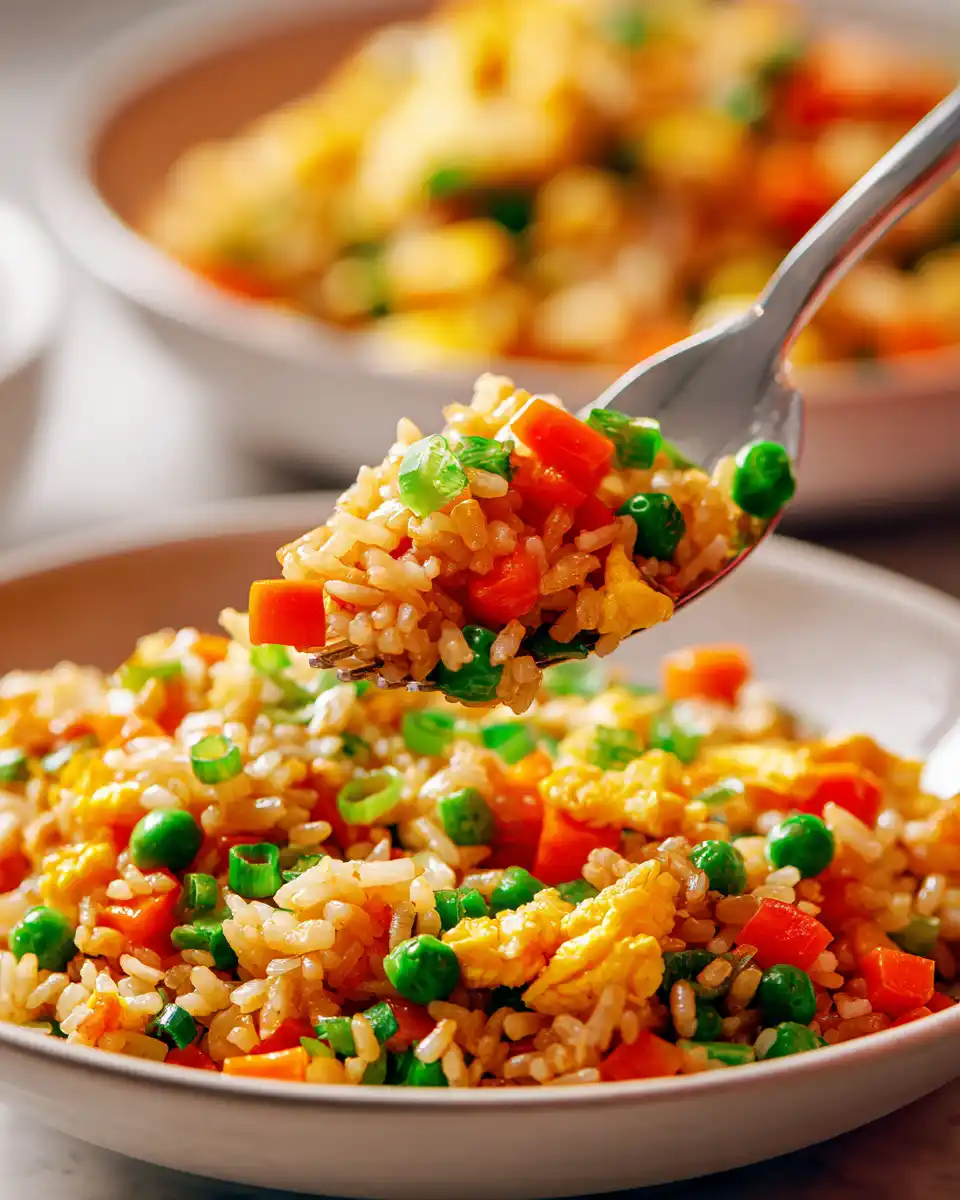
If you want a quick vegetarian dinner that feels satisfying, this veggie fried rice recipe solves the biggest problem right away: bland, soggy rice that tastes like an afterthought. This version gives you tender-crisp vegetables, toasty rice, and savory flavor in every bite, all in less time than takeout.
The secret is not fancy ingredients. It is controlling moisture, heat, and timing so each part of the pan does exactly what it should. Once you understand that, veggie fried rice becomes one of the easiest weeknight dinners you can make on repeat.
Why Veggie Fried Rice So Often Turns Soft Instead of Flavorful
A lot of homemade fried rice goes wrong for the same reason: too much moisture hits the pan at once. Freshly cooked rice, overcrowded vegetables, and low heat create steam instead of browning. That is how you end up with pale, sticky rice instead of a skillet full of separate grains with real flavor.
Jake Moreno would tell you this is a texture game first. Fried rice is not just “rice with vegetables.” It is a fast pan-cooking method where each ingredient needs space and heat.
Here are the most common mistakes:
- using warm, freshly cooked rice
- adding too many vegetables at once
- not letting moisture cook off
- stirring constantly instead of letting the rice contact the pan
- seasoning too early before the rice has a chance to toast
The good news is that every one of those problems is easy to fix.
The Real Formula for Fried Rice That Tastes Like Dinner, Not Leftovers
Great veggie fried rice follows a simple formula:
cold rice + hot pan + quick-cooking vegetables + layered seasoning
That combination gives you contrast. The rice gets lightly toasted. The vegetables stay bright and tender instead of collapsing. The sauce coats everything without drowning it.
This is also one of those dinners that fits real life. You can use leftover rice from another meal, clean out your vegetable drawer, and still end up with something that feels intentional. If you like flexible, buildable meals, this has the same practical appeal as a good roasted veggie rice bowl or a quick 20-minute veggie chickpea skillet.
Ingredients You Need for the Best Veggie Fried Rice
This ingredient list is simple, but each item has a job.
Main ingredients
- 3 cups cold cooked jasmine rice or long-grain rice
- 2 tablespoons neutral oil, divided
- 2 eggs, lightly beaten
- 1 small yellow onion, finely diced
- 2 cloves garlic, minced
- 1 teaspoon fresh ginger, grated
- 1 cup carrots, diced small
- 1 cup frozen peas
- 1 red bell pepper, diced small
- 2 green onions, sliced
- 3 tablespoons low-sodium soy sauce
- 1 tablespoon toasted sesame oil
- 1 teaspoon rice vinegar
- 1/4 teaspoon black pepper
- 1/2 teaspoon salt, or to taste
Optional finishing additions
- extra green onions
- sesame seeds
- chili flakes or sriracha
- a squeeze of lime
Why these ingredients work
Cold rice: This is the most important ingredient decision. Chilled rice is drier and firmer, so the grains separate instead of clumping.
Onion, garlic, and ginger: These create the savory base. Garlic gives quick aroma, while ginger adds brightness that keeps the dish from tasting heavy.
Carrots, peas, and bell pepper: This mix gives color, sweetness, and different textures. Carrots stay slightly firm, peas turn sweet and tender, and peppers bring a juicy crisp bite.
Soy sauce + sesame oil + rice vinegar: Soy sauce gives salt and umami, sesame oil adds depth, and rice vinegar sharpens the finish so the rice tastes lively instead of flat.
The Simple Prep That Changes Everything
Before the pan goes on the heat, do this small prep work:
1. Break up the rice
If your cold rice is packed into a firm block, separate it with your fingers or a fork. This makes it much easier for the grains to toast evenly in the skillet.
2. Dice the vegetables small
Big vegetable chunks cook too slowly and release more water over time. Smaller pieces cook fast and stay in balance with the rice.
3. Mix the sauce before cooking
Stir together the soy sauce, sesame oil, rice vinegar, black pepper, and salt in a small bowl. Fried rice moves quickly, so pre-mixing avoids overcooking while you measure.
4. Keep ingredients close to the stove
Once cooking starts, you want to move in stages without pausing. Fried rice rewards confidence and speed.
This prep mindset is one of the same reasons quick skillet meals like 15-Minute Veggie Egg Fried Rice work so well. A few minutes of setup makes the whole dinner smoother.
Step-by-Step: How to Make Veggie Fried Rice
Step 1: Scramble the eggs first
Heat a large skillet or wok over medium-high heat. Add 1/2 tablespoon of oil, then pour in the beaten eggs. Scramble gently just until set, about 30 to 45 seconds. Remove them to a plate.
What to watch for: The eggs should be softly set, not browned and dry. They will go back into the pan later.
Step 2: Cook the aromatics and firm vegetables
Add another 1 tablespoon of oil to the skillet. Add the onion and carrots. Cook for 2 to 3 minutes, stirring occasionally, until the onion softens and the carrots begin to lose their raw edge.
Add the garlic, ginger, and bell pepper. Cook for 1 minute more.
Cause and effect: Onion and carrots need more time than garlic and ginger. If you add everything at once, the garlic can turn bitter before the carrots are ready.
Step 3: Add the peas
Stir in the peas and cook for about 30 seconds. Frozen peas thaw almost instantly, so they do not need a long cook.
Mistake to avoid: Do not let the vegetables sit too long here. You want them bright and crisp-tender, not limp.
Step 4: Add the rice and spread it out
Add the remaining 1/2 tablespoon of oil, then add the cold rice. Use a spatula to break up any remaining clumps. Spread the rice across the skillet and let it sit for 30 to 45 seconds before stirring.
Repeat that process for 2 to 3 minutes.
This is the big control move: If you stir nonstop, the rice never gets direct pan contact. Letting it sit briefly creates those lightly toasted edges and deeper flavor.
Step 5: Add the sauce
Pour the sauce mixture around the rice, not all in one wet spot. Toss everything together until the rice is evenly coated.
What you are looking for: The rice should look glossy, not wet. If it looks shiny but puddled, the heat is too low or the pan is overcrowded.
Step 6: Return the eggs and finish
Add the scrambled eggs back in along with the sliced green onions. Toss for 30 seconds, just until everything is hot.
Taste and adjust with more soy sauce, pepper, or a tiny splash of rice vinegar if needed.
Serve right away.
Good Fried Rice vs Bad Fried Rice
This recipe gets much easier when you know what success looks like.
Good fried rice
- rice grains stay separate
- vegetables are still colorful
- the skillet smells savory and lightly toasted
- the texture is a mix of soft, crisp, and fluffy
- the flavor tastes balanced, not just salty
Bad fried rice
- rice is clumped or sticky
- vegetables are watery or dull
- everything tastes steamed instead of pan-cooked
- the soy sauce flavor dominates
- the eggs disappear into the rice without adding texture
Decision fork: what to do if the rice looks too soft
If the rice starts looking wet or heavy, do not add more sauce. Instead:
- turn the heat up slightly
- spread the rice out again
- let it cook untouched for 30 to 60 seconds
- stir only after you see some dryness return
That one change usually saves the pan.
Easy Swaps, Add-Ins, and Protein Upgrades
One reason this veggie fried rice recipe works so well for busy nights is how easy it is to adapt.
Vegetable swaps
Use any of these in place of some of the vegetables listed above:
- mushrooms
- zucchini
- corn
- cabbage
- broccoli florets chopped small
- snap peas
- spinach, stirred in at the end
Rice options
Jasmine rice is great because it cooks fluffy and fragrant, but you can also use:
- long-grain white rice
- brown rice
- day-old basmati rice
Brown rice gives a slightly chewier, nuttier result. It is a good option if you want a heartier feel.
Protein upgrades
To make it more filling, add:
- extra egg
- diced tofu
- shelled edamame
- chopped cashews
- chickpeas, patted dry and sautéed separately
If you enjoy meatless dinners with that same quick-skillet energy, you might also like teriyaki tofu veggie stir fry for another easy weeknight option.
Flavor upgrades
For a bolder finish, try:
- chili crisp
- extra ginger
- a drizzle of sriracha
- a pinch of white pepper
- a squeeze of lime for brightness
What to Serve with Veggie Fried Rice
This can absolutely stand on its own as dinner, especially if you add egg or tofu. But it also pairs well with simple sides.
Good options include:
- cucumber salad
- roasted broccoli
- steamed edamame
- crispy tofu
- a light soup
If you want a fuller plant-based meal plan, it also fits nicely next to something fresh and bright like Mediterranean chickpea salad.
How to Store and Reheat It Without Ruining the Texture
Leftover fried rice is useful, but reheating matters.
To store
Let it cool, then store in an airtight container in the refrigerator for up to 4 days.
To reheat on the stove
This is the best method. Add a small splash of oil to a skillet over medium heat, then warm the rice for a few minutes, stirring occasionally.
To reheat in the microwave
Use short intervals and do not overheat. Cover loosely and heat in 30-second bursts, stirring in between.
Texture note: The microwave is faster, but the skillet brings back more of the original fried texture.
Can you freeze it?
Yes. Freeze in airtight portions for up to 2 months. Thaw overnight in the refrigerator before reheating for the best texture.
Veggie Fried Rice Questions, Answered
Can I use freshly cooked rice?
You can, but it is riskier. Fresh rice carries more steam and surface moisture, so it tends to clump. If you must use it, spread it on a tray and chill it first.
What vegetables should not go in fried rice?
Very watery vegetables can make the pan soggy if you are not careful. Zucchini and mushrooms work, but cook them in a way that lets their moisture evaporate before the rice goes in.
Is veggie fried rice healthy?
It can be a very balanced dinner. You get vegetables, carbs for energy, and protein from the eggs. You also control the oil and sodium much more easily than with takeout.
Can I make it vegan?
Yes. Skip the eggs and use tofu or edamame instead. Make sure your seasoning ingredients fit your preferences.
Why does restaurant fried rice taste different?
Restaurants usually use very high heat, large pans, and well-chilled rice. That creates stronger browning and a more toasted flavor. At home, the best way to get close is to avoid crowding the pan and let the rice sit between stirs.
Final Thoughts
This veggie fried rice recipe is one of those dinners that earns a permanent place in your weeknight rotation because it is flexible, fast, and genuinely satisfying. It is also a great reminder that simple food does not have to taste basic.
Once you learn how to control moisture and heat, fried rice stops being a backup dinner and starts becoming a dinner you actually crave. You get color, texture, and savory comfort in one pan, with ingredients you probably already have.