Why this sweet-spicy skillet works on a busy night
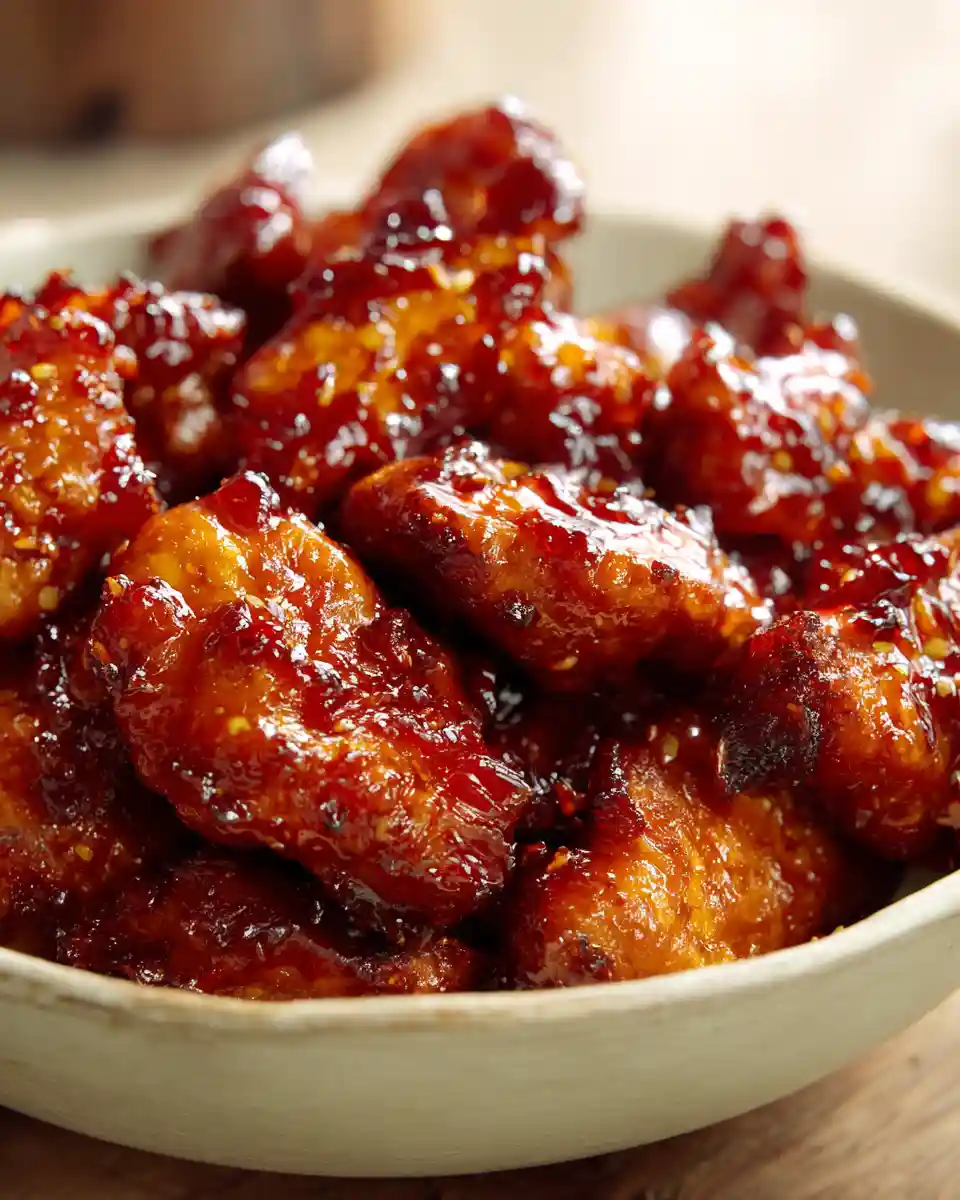
Some chicken dinners are technically easy but still feel disappointing once they hit the plate. This hot honey chicken recipe solves that problem by giving you a glossy, bold, sweet-spicy finish that tastes like you planned dinner better than you actually did.
The real win here is speed without flat flavor. You get tender chicken, caramelized edges, and a sticky hot honey glaze in one skillet, which makes this a strong choice for weeknights when you want something louder than plain chicken breasts but faster than takeout.
This version is built for people who want balance, not punishment. The honey rounds out the heat, the garlic gives it backbone, and a splash of acidity keeps the glaze from tasting heavy. That means you can push it spicier or keep it family-friendly without losing the point of the dish.
If this kind of fast chicken dinner is your lane, you might also like my Honey Garlic Chicken Breasts, which leans sweeter and milder, or Savory Black Pepper Chicken Delight, which takes the flavor in a darker, peppery direction.
Build the sweet heat before the pan gets hot
Before you cook anything, build the flavor system. That matters here because the line between “sticky and glossy” and “too dark and bitter” happens fast once the honey hits heat.
What you need for the chicken
- 1 1/2 pounds boneless skinless chicken thighs or chicken breasts, cut into bite-size pieces
- 1 teaspoon kosher salt
- 1/2 teaspoon black pepper
- 1 teaspoon smoked paprika
- 1/2 teaspoon garlic powder
- 2 tablespoons cornstarch
- 2 tablespoons olive oil
What you need for the hot honey glaze
- 1/3 cup honey
- 1 1/2 to 2 tablespoons hot sauce
- 1 tablespoon unsalted butter
- 3 garlic cloves, finely minced
- 1 tablespoon soy sauce
- 1 tablespoon apple cider vinegar or fresh lemon juice
- 1/2 teaspoon red pepper flakes
- 1/4 teaspoon crushed chili flakes, optional for extra heat
The ingredient logic that makes this work
The cornstarch is not there to create a heavy coating. It gives the chicken a light surface that browns better and helps the glaze cling instead of sliding off.
Chicken thighs are my first pick because they stay juicier under aggressive heat. Chicken breast works too, but it needs slightly more attention because it goes from tender to dry faster.
Honey is the body of the sauce, not just the sweetness. It creates that lacquered finish Pinterest readers want to see. The hot sauce brings immediate heat, while red pepper flakes give a slower, warmer finish.
Soy sauce adds savory depth so the glaze tastes like dinner, not dessert. The vinegar or lemon juice matters more than people think — it sharpens the sweetness and keeps the sauce from feeling sticky in a bad way.
The 20-minute skillet game plan
This recipe moves quickly once you start, so set out the glaze ingredients first.
Step 1: Season and coat the chicken
In a large bowl, toss the chicken with salt, pepper, smoked paprika, garlic powder, and cornstarch. The pieces should look lightly dusted, not buried.
Let the chicken sit for 5 minutes while you whisk the glaze ingredients together in a small bowl, except the butter. Keep the butter separate for later so it finishes the sauce instead of dulling it too early.
Step 2: Sear hard, but don’t crowd
Heat a large skillet over medium-high heat. Add the olive oil, then spread the chicken in one layer.
Cook for 3 to 4 minutes without moving it too much. You want actual color here. Stir and continue cooking for another 3 to 5 minutes until the chicken is nearly cooked through and the edges look browned.
If your skillet feels crowded, cook in two batches. Steam is the enemy of texture.
Step 3: Lower the heat before the honey goes in
Reduce the heat to medium-low. This is the move that saves the sauce.
Add the butter and garlic first. Stir for about 20 to 30 seconds, just until fragrant. Then pour in the honey mixture and toss the chicken to coat.
Step 4: Glaze, don’t boil aggressively
Cook for 1 to 2 minutes, stirring often, until the sauce thickens into a glossy coating. If it reduces too fast, add 1 to 2 tablespoons of water and keep tossing.
By the end, every piece should look shiny, sticky, and evenly coated — not drowned in sauce.
Step 5: Finish with contrast
Taste one piece. Add another pinch of chili flakes if you want more heat, or a tiny squeeze of lemon if you want the finish brighter.
Serve immediately. This is one of those dishes that tastes best when the glaze is still clinging tight and the edges are fresh from the pan.
If you want another practical comfort-style chicken dinner for the week, Delicious and Easy Chicken and Yellow Rice Recipe – Perfect Comfort Food! is a good contrast because it leans cozy and mellow instead of sweet and spicy.
Read the glaze like a cook, not a timer
A recipe like this gets better once you stop relying only on minutes and start watching the pan.
The glaze is ready when it turns from loose and watery to glossy and slightly thick, with slow bubbles instead of frantic ones. When you drag a spoon through the skillet, the sauce should briefly separate before sliding back together.
If the sauce starts looking foamy, dark around the edges, or overly sticky before the chicken is coated, the heat is too high. Pull the pan down immediately and loosen it with a splash of water.
If it still looks thin after a minute or two, the solution is usually patience, not more honey. Let it simmer gently while tossing, and it will tighten.
This is also where doneness matters. Poultry should reach 165°F at the thickest part for food safety. That number gives you a clean finish point, especially if you’re using chicken breast and don’t want to guess.
Texture insurance: how to keep the chicken juicy
The biggest risk in hot honey chicken is not the spice. It is overcooking the meat while chasing a perfect glaze.
Here’s how to keep the texture right:
Use thighs when you want maximum forgiveness
Chicken thighs stay juicy even if the pan runs a little hot. They are the easiest route to a reliable result.
Keep the pieces evenly sized
If some chunks are tiny and others are thick, half the pan will be overcooked before the rest is done. Aim for similar bite-size pieces so everything finishes together.
Brown first, glaze second
If you add the honey too early, the outside darkens before the chicken gets good color. Build your crust first, then add the glaze late.
Don’t leave the garlic alone in hot fat
Garlic burns fast, and once it burns, the whole sauce tastes off. Give it a short head start, then get the liquid in right away.
Rest for one minute, not ten
This is not a roast. Give it just enough time for the glaze to settle, then serve it while the texture still feels lively.
For another chicken dinner with a more mellow, creamy payoff, Creamy Ranch Chicken is the kind of recipe that scratches a different weeknight itch.
Fast fixes for sauce problems and heat balance
A good skillet recipe should come with escape routes. Here are the ones that matter most.
If it tastes too sweet
Add:
- 1 teaspoon lemon juice or vinegar
- a small pinch of salt
- a little extra hot sauce
Acid and salt bring the sauce back into focus.
If it’s too spicy
Add:
- 1 more tablespoon honey
- 1 tablespoon butter
- serve it over rice
Fat and starch soften the heat without killing flavor.
If the sauce gets too thick
Add:
- 1 tablespoon warm water at a time
Stir after each addition. You want glossy and fluid, not syrupy like candy.
If the sauce is too thin
Keep it over low heat for another minute while tossing. If needed, remove the chicken briefly and reduce the sauce alone, then return the chicken to coat.
If the chicken tastes flat
Usually it needs one of three things:
- a pinch more salt
- a touch more acid
- more chili for contrast
Sweet heat only works when all three sides — sweet, spicy, savory — show up clearly.
The best way to serve it tonight
This chicken has enough personality to carry a simple plate. You do not need a complicated side plan.
My favorite way to serve it is over jasmine rice or fluffy white rice because the grains catch the extra glaze without competing with it. Brown rice works too, but the softer sweetness of white rice usually makes the hot honey pop more.
You can also serve it with:
- roasted broccoli
- green beans
- quick cucumber salad
- skillet corn
- mashed sweet potatoes
- soft dinner rolls if you want a comfort-food angle
If you want to build a fuller dinner spread, keep the sides neutral and let the chicken do the loud work. A sharp slaw is great if you want contrast. Something creamy is great if you want to calm the heat.
For dessert, go in a totally different direction and finish with something cool and classic like Philadelphia Cheesecake Recipe.
Leftovers that still taste worth eating
Some glazed chicken is excellent fresh and disappointing the next day. This one holds up better if you reheat it correctly.
Store leftovers in an airtight container in the refrigerator for up to 3 to 4 days. USDA food safety guidance recommends refrigerating leftovers within 2 hours.
Best reheating move
Reheat in a skillet over low heat with a small splash of water. That loosens the glaze and brings it back to life without turning the chicken rubbery.
The microwave works in a pinch, but use short bursts and cover loosely. Too much direct heat makes the honey tighten up and the chicken dry out.
Best leftover uses
- tuck it into rice bowls
- spoon it into wraps
- pile it onto flatbread with crunchy slaw
- use it in a quick grain bowl with cucumbers and herbs
That second-day versatility is a big reason this recipe earns a spot in a busy dinner rotation.
Hot honey chicken questions that actually matter
Can I use chicken breasts instead of thighs?
Yes. Just cut them evenly and watch the temperature closely. Breasts are leaner and easier to overcook, so glaze them as soon as they are almost done.
What hot sauce works best?
Use one you already know you like. A cayenne-style hot sauce gives classic hot honey flavor, while a smoky hot sauce pushes the recipe in a deeper direction.
Can I bake this instead?
Yes, but the skillet gives better control over the glaze. If baking, roast the chicken first, then toss it with the hot honey sauce near the end so the sugars do not darken too early.
Is this very spicy?
Not by default. It is more sweet-spicy than aggressively hot. Start with less hot sauce, then add more after tasting.
What should I do if I want it crispier?
Use slightly less sauce, make sure the chicken browns properly before glazing, and do not overcrowd the skillet.
Can I make the sauce ahead?
Absolutely. Mix the glaze ingredients ahead and refrigerate them. Let the mixture come closer to room temperature before adding it to the pan so it blends quickly.
Does hot honey chicken work for meal prep?
Yes, especially in rice bowls. Just keep in mind the glaze is at its best the day it is made, so meal prep works better for convenience than maximum texture.