What makes a lemon bar worth baking at home
A great lemon bar solves a very specific dessert problem: you want something sunny, fresh, and crowd-pleasing, but you do not want a complicated layer cake or a fussy tart. Lemon bars hit that sweet spot beautifully. They feel bakery-worthy, yet the method is simple enough for an everyday baker.
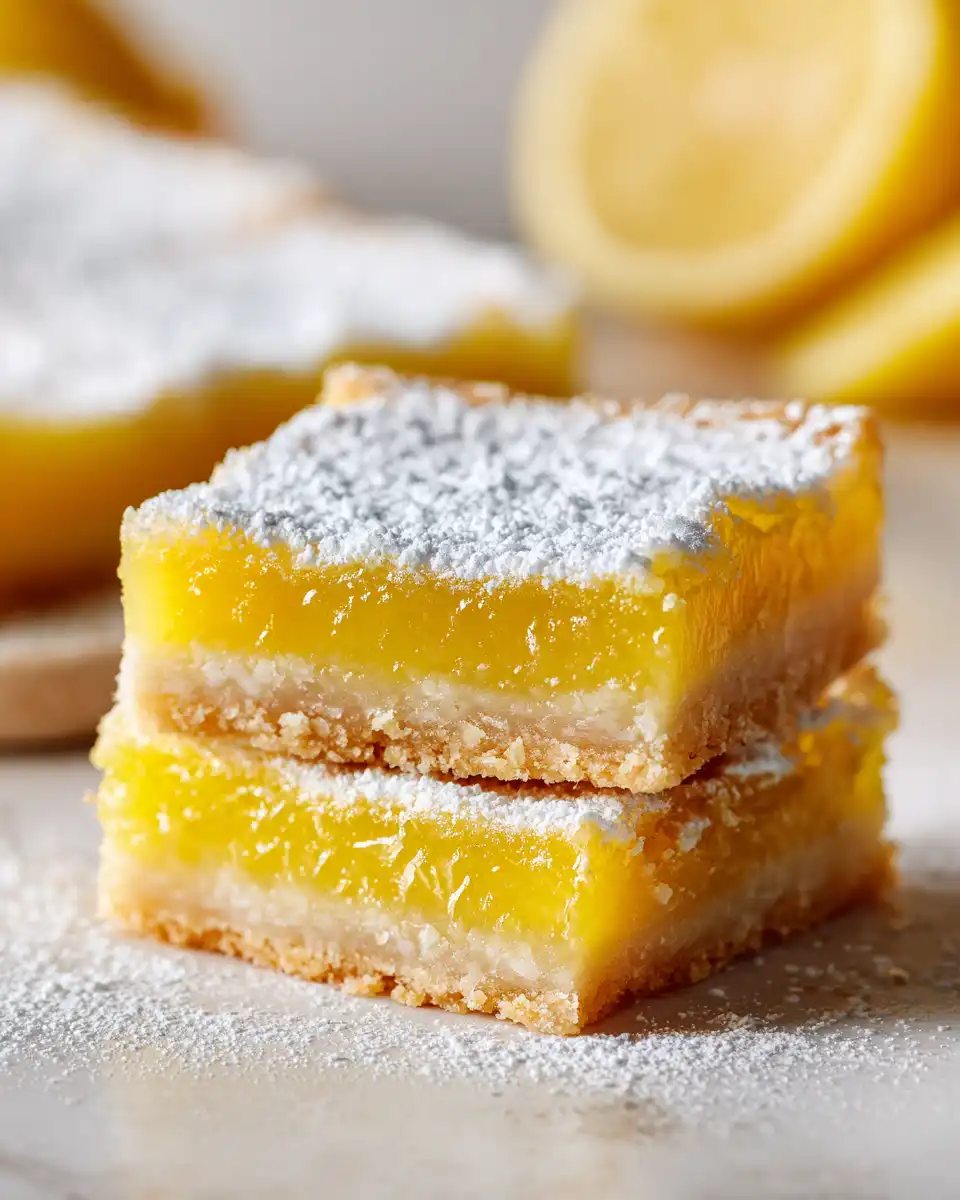
What makes this version special is the balance. You get a buttery base that stays tender instead of soggy, plus a lemon topping that tastes bright and smooth rather than sharp or overly sweet. Classic lemon bars are known for that contrast of sweet and tangy on a shortbread-style crust, and that balance is exactly what makes them so enduring.
As Maya Brooks, I like desserts that feel celebratory without becoming exhausting. These bars are rich enough to feel satisfying, but the citrus keeps them from feeling heavy, which is why they work especially well in spring and early summer.
The texture target: what you’re aiming for before you start
Before you measure anything, it helps to know what “done right” looks like.
You are aiming for three things:
- a firm but tender base
- a lemon layer that is set but still soft
- slices that chill cleanly and do not collapse at the edges
The easiest mistake with lemon bars is baking for time only. The filling should not look liquid in the center, but it also should not puff dramatically or brown like a custard pie. Once chilled, it should hold a clean edge when cut.
Flavor matters just as much as structure. Fresh lemon gives these bars their signature brightness, and lemons also contribute vitamin C, which is one reason citrus desserts taste so lively and refreshing. But in a bar recipe, freshness matters more than nutrition claims. Here, lemon is doing the heavy lifting in aroma, acidity, and overall finish.
Build the base for clean slices
This is where texture begins. A weak crust turns the whole dessert into a soft square that bends when lifted. A good crust gives you support, contrast, and cleaner serving.
What you need for the base
- 1 cup unsalted butter, melted
- 2 cups all-purpose flour
- 1/2 cup powdered sugar
- 1/4 teaspoon fine salt
- 1 teaspoon lemon zest
Why this base works
Powdered sugar keeps the crust tender and fine-textured. Melted butter makes the dough easy to press into the pan evenly. A little lemon zest in the base gives the whole dessert a more layered citrus flavor, so the lemon does not live only in the top layer.
Pan and prep decisions
Use a 9×13-inch metal baking pan if possible. Metal bakes more evenly and helps the base set with better color than glass. Line the pan with parchment, leaving overhang on two sides, so you can lift the bars out after chilling.
How to form the crust
- Heat the oven to 350°F.
- Line the pan with parchment paper.
- Stir together the flour, powdered sugar, salt, and zest.
- Pour in the melted butter and mix until the texture looks like damp sand.
- Press the mixture firmly and evenly into the pan, including the corners.
- Bake for 18 to 22 minutes, until lightly golden at the edges.
Do not wait for deep color. A pale-golden crust is enough. You want it baked through, not browned like a cookie.
Mix the lemon layer for bright flavor, not harsh acidity
This is the part most people worry about, but it is very manageable when you treat it like a balance issue instead of a mystery.
What you need for the lemon layer
- 1 3/4 cups granulated sugar
- 1/4 cup all-purpose flour
- 6 large eggs
- 3/4 cup fresh lemon juice
- 1 tablespoon finely grated lemon zest
- 1/4 teaspoon fine salt
The ingredient logic
The sugar softens the tartness and helps the filling bake up glossy and smooth. The eggs create structure. The flour gives the filling just enough support so it slices neatly instead of puddling. Fresh lemon juice gives the cleanest flavor; bottled juice can taste flatter and less fragrant.
Classic lemon bar formulas lean on that sweet-tart contrast and rich texture, which is why fresh citrus and a buttery crust matter so much in the final result.
How to mix it well
Whisk the sugar and flour together first. This helps the flour disperse evenly and lowers the chance of small lumps in the filling. Then add the eggs and whisk until fully blended, followed by the lemon juice, zest, and salt.
Try not to beat aggressively. You want a smooth filling, not a foamy one. Too much air can affect the surface and make the top bake unevenly.
A practical citrus note
If your lemons are firm, roll them on the counter before juicing. Warm lemons give up juice more easily, which means less squeezing and usually a better yield.
Bake by visual cues, not just the timer
This is the heart of the recipe. Timing helps, but visual cues are what protect your bars from turning too loose or too dry.
Step-by-step bake
- Once the crust comes out of the oven, reduce the oven temperature to 325°F.
- Give the lemon filling one final whisk.
- Pour it carefully over the hot crust.
- Return the pan to the oven and bake for 20 to 24 minutes.
What to look for
The filling is ready when:
- the edges are set
- the center has only a slight wobble
- the surface no longer looks wet
Think “soft set,” not “liquid center.” If you gently move the pan, the middle should shift just a little, like a custard that has almost finished setting.
What not to do
- Do not keep baking until the top browns.
- Do not cut into the bars warm.
- Do not dust with powdered sugar until fully cooled.
Those three choices make a huge difference. Overbaking dulls the lemon flavor and can push the filling toward a firmer, eggier texture.
Cool, chill, and cut like a pro
This part is easy to underestimate, but it is where clean bars are made.
First, let the pan cool at room temperature for about 1 hour. Then transfer it to the refrigerator for at least 2 hours, though longer is even better. Chilling firms the filling, sharpens the slices, and makes the flavor taste more focused.
For the neatest cuts
- lift the bars out using the parchment
- use a sharp knife
- wipe the knife between cuts
- dust with powdered sugar only right before serving
If you dust too early, the sugar can dissolve into the lemon surface.
How to store them
Because the filling contains eggs, leftover lemon bars should be refrigerated. FoodSafety.gov’s cold storage guidance is a good standard to follow for keeping prepared foods safe in the refrigerator.
Store them in an airtight container in the fridge. For best texture and freshness, they are at their best within about 3 to 4 days. If stacking them, place parchment between layers.
You can also freeze them. Chill first, slice, freeze on a tray until firm, then transfer to a container. Thaw in the refrigerator.
Smart adjustments for sweeter, tangier, or sturdier bars
This is where you can make the recipe feel more like your own without breaking the texture.
If you want them tangier
Add an extra teaspoon of zest before baking. Zest increases lemon aroma without thinning the filling.
If you want them a little sweeter
Dust generously with powdered sugar before serving, or reduce the lemon juice slightly by 1 to 2 tablespoons for a softer citrus edge.
If you need sturdier picnic bars
Bake in a lined pan, chill overnight, and cut smaller squares. Longer chilling gives you the cleanest structure for transport.
If your lemons are extra sharp
Lemon acidity varies. If your juice tastes intensely tart, stay with the listed amount of sugar. This is not the place to reduce sweetness dramatically unless you have made the bars once and know your preference.
If you like dessert bars with a rich, creamy feel
You might also enjoy the smooth texture of this Philadelphia Cheesecake Recipe, which scratches a similar dessert craving in a different format.
And if you like easy homemade bakes that feel a little lighter and everyday-friendly, this Banana Bread Without Butter is another practical option to keep in your dessert rotation.
Questions that actually change the result
Can I use bottled lemon juice?
You can, but fresh lemon juice gives a brighter, cleaner flavor. In a recipe this simple, the lemon is the whole point, so fresh is worth it.
Why did my lemon bars crack?
Most often, they were overbaked or cooled too quickly. A gentle bake and full chill help the top stay smoother.
Why is my filling runny?
Usually one of three things happened: the bars needed more bake time, they were cut before chilling fully, or the flour was measured too lightly.
Should I bake these in glass or metal?
Metal is usually the better choice for cleaner baking and a more reliable crust. Glass can work, but it often bakes more slowly.
Can I make them a day ahead?
Yes, and that is actually a great plan. Lemon bars slice more neatly after a full chill, which makes them ideal for holidays, showers, brunches, or spring gatherings.
What should I serve with them?
They pair beautifully with tea, coffee, or a fruit-forward brunch spread. For a fuller dessert table, a more indulgent bake like this One-Pot Butter Pecan Pound Cake gives you a nice contrast to the bright citrus profile of lemon bars.
The full recipe at a glance
Yield
24 bars
Time
- Prep: 20 minutes
- Bake: 40 to 46 minutes total
- Chill: 2 hours
- Total: about 3 hours 10 minutes
Ingredients
For the base
- 1 cup unsalted butter, melted
- 2 cups all-purpose flour
- 1/2 cup powdered sugar
- 1/4 teaspoon fine salt
- 1 teaspoon lemon zest
For the lemon layer
- 1 3/4 cups granulated sugar
- 1/4 cup all-purpose flour
- 6 large eggs
- 3/4 cup fresh lemon juice
- 1 tablespoon finely grated lemon zest
- 1/4 teaspoon fine salt
For finishing
- powdered sugar, for dusting
Method
- Preheat the oven to 350°F. Line a 9×13-inch metal pan with parchment.
- Mix flour, powdered sugar, salt, and zest for the base. Stir in melted butter until combined.
- Press evenly into the pan and bake for 18 to 22 minutes, until lightly golden at the edges.
- Reduce oven temperature to 325°F.
- Whisk together sugar and flour for the filling. Add eggs, lemon juice, zest, and salt, and whisk until smooth.
- Pour the filling over the hot crust.
- Bake for 20 to 24 minutes, until the edges are set and the center has a slight wobble.
- Cool at room temperature for 1 hour.
- Refrigerate for at least 2 hours.
- Lift from the pan, cut into squares, and dust with powdered sugar before serving.
Why these bars work for spring gatherings and make-ahead dessert plans
These lemon bars fit the kind of baking most people actually need: simple enough for a weekday, pretty enough for guests, and bright enough to wake up a dessert table full of heavier options. They travel well, slice beautifully when chilled, and feel seasonal without requiring specialty ingredients.
That is why they work so well for Easter, Mother’s Day, baby showers, brunches, and spring potlucks. You can bake them ahead, keep them chilled, and serve them when you need something cheerful and dependable.