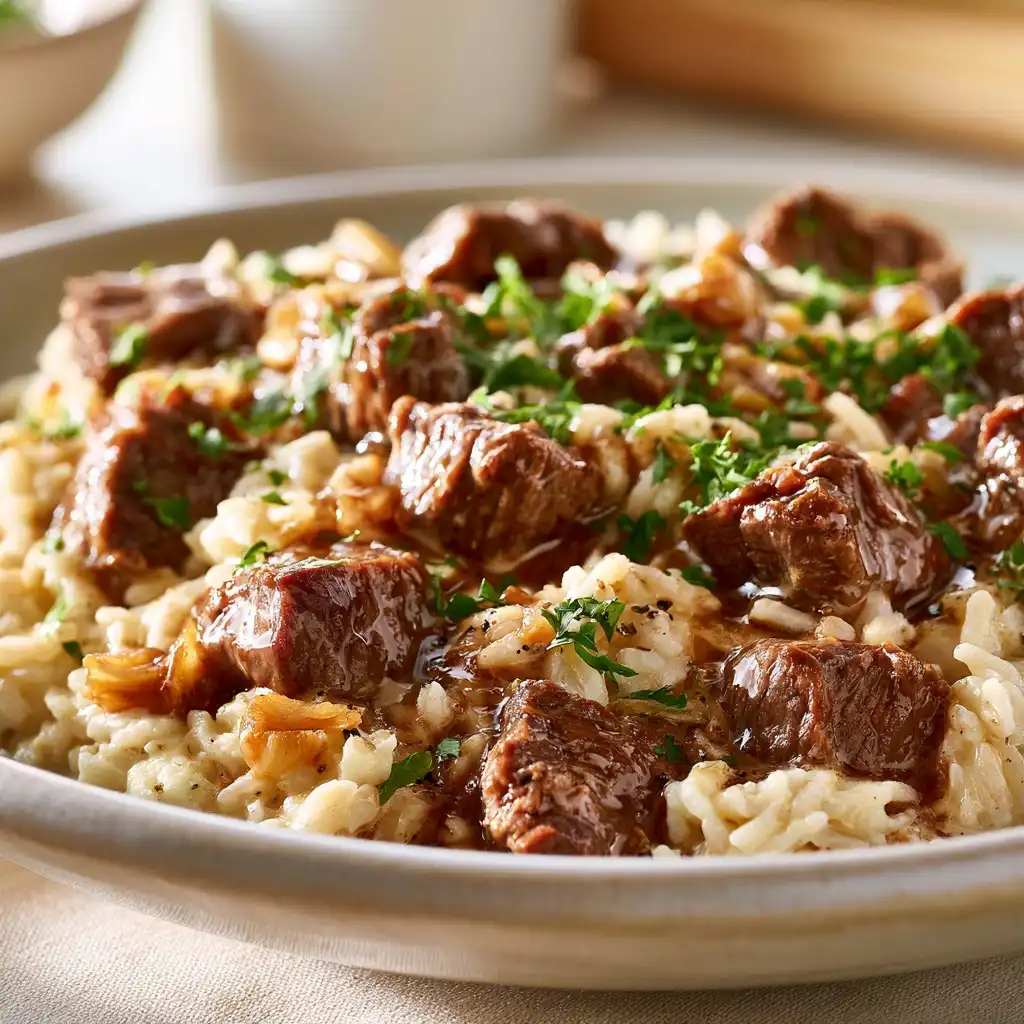
A shrimp rice bowl recipe combines tender, succulent shrimp with fluffy jasmine rice, fresh vegetables, and a savory sauce to create a complete protein-packed meal. This high protein easy meal delivers restaurant-quality results in under 30 minutes with minimal effort. Perfect for busy weeknights or meal prep, this Asian-inspired bowl satisfies hunger while keeping calories balanced and nutrition maximized.

| Prep Time | Cook Time | Total Time | Servings | Difficulty | Cuisine |
|---|---|---|---|---|---|
| 10 minutes | 12 minutes | 22 minutes | 4 servings | Easy | Asian |
Why This Recipe Works
This shrimp rice bowl recipe solves the protein puzzle for health-conscious cooks seeking quick, satisfying meals without sacrifice. Shrimp cooks in minutes while maintaining a tender texture, eliminating the lengthy cooking times associated with chicken or beef. The combination of jasmine rice, fiber-rich vegetables, and lean protein creates a complete macronutrient balance that keeps you full for hours.
The sauce brings restaurant authenticity to your kitchen without requiring obscure ingredients or complex techniques. Garlic, ginger, and soy sauce layer deep umami flavors that elevate simple components into something extraordinary. You achieve the high protein content needed for muscle recovery while enjoying authentic Asian flavors in your own home.
This easy meal approach respects your time while delivering nutritional excellence. One bowl contains approximately 35 grams of protein from the shrimp alone, making it ideal for post-workout nutrition or weight management goals. The complete recipe requires only one pan and basic knife skills.
Ingredients
These simple, quality ingredients form the foundation of an exceptional shrimp rice bowl recipe that serves four people generously.
| Ingredient | Quantity | Notes |
|---|---|---|
| Large shrimp, peeled and deveined | 1.5 pounds | Fresh or thawed; size 21/25 count recommended |
| Jasmine rice, uncooked | 2 cups | White jasmine provides fluffy texture; substitute brown rice for added fiber |
| Water for rice | 3 cups | Adjust based on rice brand instructions |
| Bell peppers, mixed colors | 2 large | Red, yellow, or orange for sweetness and visual appeal |
| Broccoli florets, fresh | 2 cups | Cut into bite-sized pieces |
| Green onions, sliced | 1 bunch | White and light green parts for cooking; reserve dark green for garnish |
| Fresh garlic cloves, minced | 4 cloves | Use fresh, never jarred for superior flavor |
| Fresh ginger, minced | 2 tablespoons | Peeled weight; provides warming spice |
| Low-sodium soy sauce | 3 tablespoons | Tamari for gluten-free option |
| Sesame oil | 2 tablespoons | Dark sesame oil adds nutty depth |
| Rice vinegar | 1 tablespoon | Adds brightness to sauce balance |
| Honey | 1 tablespoon | Balances salty and acidic components |
| Vegetable oil for cooking | 2 tablespoons | High smoke point oil; avocado or peanut oil recommended |
| Red pepper flakes, dried | 1/2 teaspoon | Optional; adjust for heat preference |
| Sesame seeds, white | 2 tablespoons | Garnish only; toast lightly before serving |
Step-by-Step Instructions
Rice Preparation Phase
- Rinse jasmine rice under cold water in a fine mesh strainer for two minutes, stirring gently until water runs clear, removing excess starch for fluffier rice.
- Add rinsed rice to a medium saucepan with three cups of water and bring to a rolling boil over high heat.
- Reduce heat to low, cover with a tight-fitting lid, and simmer for 15 minutes without opening the lid.
- Remove from heat and let rice rest, covered, for five minutes, allowing residual steam to finish cooking.
- Fluff rice with a fork, separating grains gently to avoid clumping, and set aside in a warm bowl.
Sauce Preparation Phase
- Combine soy sauce, sesame oil, rice vinegar, honey, and red pepper flakes in a small bowl, whisking until honey dissolves completely.
- Set sauce aside at room temperature until ready to use with the shrimp.
Shrimp and Vegetable Cooking Phase
- Heat vegetable oil in a large skillet or wok over medium-high heat until the oil shimmers and moves freely across the pan surface.
- Add minced garlic and ginger to hot oil, stirring constantly for 30 seconds until fragrant but not browned.
- Add prepared shrimp to the skillet in a single layer and let cook undisturbed for two minutes, allowing the underside to develop color.
- Flip shrimp and cook for one more minute until they curl and turn opaque pink throughout, indicating doneness.
- Transfer cooked shrimp to a clean plate, leaving garlic and ginger in the skillet.
- Add sliced bell peppers and broccoli florets to the same skillet, stirring frequently for three minutes until vegetables become tender-crisp with bright color.
- Return shrimp to the skillet and pour the prepared sauce over everything, tossing gently to coat all components evenly.
- Add sliced green onion white parts and toss once more, cooking for 30 seconds to warm the sauce through.
- Remove from heat and taste the mixture, adjusting seasoning with additional soy sauce or sesame oil if needed.
Assembly and Finishing Phase
- Divide cooked jasmine rice evenly among four bowls, creating a bed for the shrimp and vegetables.
- Top each rice portion with an equal amount of shrimp, vegetables, and sauce, drizzling any excess sauce over the top.
- Garnish each bowl with toasted sesame seeds, reserved dark green onion slices, and additional red pepper flakes if desired for extra heat.
- Serve immediately while components remain warm, with extra soy sauce on the side for individual adjustment.
Pro Tips for Best Results
- Purchase shrimp the day of cooking or store properly in the coldest part of your refrigerator; frozen shrimp must thaw completely in the refrigerator overnight, never at room temperature, to prevent bacterial growth and maintain firm texture.
- Dry shrimp thoroughly with paper towels before adding to hot oil; moisture creates steam that prevents proper browning and color development on the exterior.
- Use a wok instead of a standard skillet if available; the curved sides and design facilitate faster cooking and better heat distribution for that signature restaurant wok taste.
- Toast sesame seeds in a dry skillet over medium heat for two minutes, shaking the pan frequently, to unlock deeper nutty flavors and improve visual presentation.
- Prepare the sauce and chop all vegetables before cooking begins; shrimp cooks so quickly that post-cooking assembly leaves some components cold while others cool rapidly.
- Crush fresh ginger with the flat side of your knife before mincing to release more juice and intensify the warming spice notes throughout the dish.
Common Mistakes to Avoid
Overcooking shrimp into rubber: Shrimp continues cooking from residual heat even after removal from the skillet. WHAT goes wrong: The tail curls tightly and the texture becomes dense and chewy. WHY this happens: Shrimp protein denatures quickly at high temperatures, squeezing out moisture. HOW to fix it: Remove shrimp when it’s still slightly translucent in the very center of the thickest part, as carryover cooking completes the process.
Using cold ingredients with hot pan: Adding room-temperature vegetables or cold shrimp to a blazing hot skillet causes temperature shock. WHAT goes wrong: Vegetables steam instead of sear, becoming mushy. WHY this happens: The temperature drop slows the cooking process unnaturally. HOW to fix it: Let all ingredients sit out for 15 minutes before cooking, or preheat them slightly in a separate bowl.
Skipping the rice rinsing step: This lazy mistake ruins texture immediately. WHAT goes wrong: Rice becomes gluey and sticky instead of fluffy with separated grains. WHY this happens: Excess starch coating each grain causes clumping during cooking. HOW to fix it: Always rinse rice until water runs completely clear, taking two to three minutes of patient rinsing.
Adding sauce too early: Pouring sauce into the skillet before cooking finishes creates soggy vegetables. WHAT goes wrong: Bell peppers become soft and mushy within seconds. WHY this happens: The acidic sauce begins breaking down vegetable cell walls immediately. HOW to fix it: Cook all components fully, then add sauce just before serving, tossing gently to coat.
Ignoring the lid during rice cooking: Lifting the lid releases steam and disrupts the cooking process. WHAT goes wrong: Some rice kernels remain hard while others become mushy. WHY this happens: Heat distribution becomes uneven when steam escapes. HOW to fix it: Resist the urge to check; trust the timing and only open the lid after the rest period.
Variations and Substitutions
Transform this shrimp rice bowl recipe into different flavor profiles while maintaining the high protein easy meal structure with these professional substitutions.
| Ingredient | Substitution | Flavor Impact |
|---|---|---|
| Shrimp | Grilled chicken breast, diced; firm tofu cubes | Creates meatier texture; maintains protein content; slightly less oceanic umami |
| Jasmine rice | Brown rice; cauliflower rice; wild rice blend | Adds earthiness and fiber; reduces carbohydrates significantly; changes mouthfeel |
| Bell peppers | Snap peas; mushrooms; asparagus; zucchini | Changes sweetness profile; mushrooms add umami depth; creates different color contrast |
| Sesame oil | Coconut oil; peanut oil; olive oil | Reduces nutty flavor; adds tropical notes; creates lighter finish; changes richness |
| Soy sauce | Coconut aminos; tamari; liquid smoke with salt | Reduces sodium and gluten; adds smoky depth; maintains umami complexity |
| Ginger and garlic | Garlic powder and ginger powder, half the amount | Reduces fresh brightness; concentrates flavors; changes texture and pungency |
| Honey | Agave nectar; maple syrup; brown sugar | Subtle sweetness shifts; maple adds woodiness; brown sugar creates deeper caramel notes |
Serving Ideas
Serve this shrimp rice bowl recipe at casual weeknight dinners for a complete meal requiring no additional sides; the balanced macronutrients and satisfaction level make it a standalone dinner. Present each bowl with a small dish of extra soy sauce, sriracha, and lime wedges on the side, allowing guests to customize heat and brightness to preference.
Transform the bowl into an impressive lunch for office meal prep by portioning rice, shrimp, and vegetables separately in glass containers, keeping the sauce in a small sealed container to prevent sogginess during storage. Pack sesame seeds and green onions in separate containers to add fresh garnish immediately before eating.
Plate this high protein easy meal family-style by arranging the warm rice on a large serving platter, topping with the shrimp and vegetables, then drizzling the sauce over everything for a rustic presentation that encourages sharing. Garnish the entire platter generously with sesame seeds and green onions, creating visual appeal and allowing each person to serve themselves.
Create elegant individual presentations for dinner parties by using bowls with contrasting colors; white bowls highlight the colorful vegetables and shrimp beautifully, while dark bowls provide striking contrast. Arrange garnishes artfully on top rather than mixing them in, preserving textural elements and improving the visual appeal for photography.
Storage and Reheating
Proper storage extends this shrimp rice bowl recipe’s shelf life while maintaining quality and food safety standards.
| Method | Duration | Instructions |
|---|---|---|
| Refrigerator Storage (Combined) | 2 days maximum | Transfer cooled bowl to an airtight container; store on a shelf away from raw proteins; reheat covered in microwave at 50% power for 3-4 minutes, stirring halfway through |
| Refrigerator Storage (Separated) | 3-4 days | Store rice, shrimp-vegetable mixture, and sauce in separate airtight containers; this method prevents rice from becoming mushy; assemble and reheat components separately just before serving |
| Freezer Storage | 2-3 months | Freeze shrimp and vegetables separately from rice in freezer-safe containers; rice develops an unpleasant texture when frozen; thaw overnight in refrigerator; reheat in a skillet over medium heat, stirring frequently until warmed through |
| Skillet Reheating | Once thawed | Heat one tablespoon of oil in a skillet over medium-high heat; add thawed shrimp mixture and stir constantly for 3-4 minutes until heated through; add rice separately and toss to combine, cooking 2 minutes more |
| Microwave Reheating | Once thawed | Transfer to a microwave-safe container; cover loosely with a damp paper towel to retain moisture; heat at 50% power for 3-4 minutes, stirring at the one-minute and two-minute marks for even heating |
Nutritional Information
These approximate values represent one serving of the complete shrimp rice bowl recipe divided into four equal portions, including rice, shrimp, vegetables, and sauce.
| Nutrient | Amount per Serving |
|---|---|
| Calories | 385 kcal |
| Protein | 35 grams |
| Fat | 8 grams |
| Carbohydrates | 42 grams |
| Fiber | 4 grams |
| Sugar | 6 grams |
| Sodium | 680 mg |
| Cholesterol | 260 mg |
Frequently Asked Questions
Can I make a shrimp rice bowl recipe with frozen shrimp?
Yes, frozen shrimp works excellently for this high protein easy meal, though thawing properly ensures optimal results. Thaw shrimp in the refrigerator overnight, never at room temperature, which prevents bacterial growth and maintains firm texture. Pat dried thawed shrimp thoroughly with paper towels before cooking to achieve proper browning and color development.
How do I cook shrimp rice bowl without the sesame oil?
Substitute sesame oil with an equal amount of vegetable oil, peanut oil, or coconut oil for cooking, though the final flavor profile changes noticeably. To preserve the nutty depth sesame oil provides, use only half the replacement oil in cooking and add one-quarter teaspoon of ground white pepper for compensatory warmth. The sauce becomes less rich but remains flavorful with proper seasoning adjustments.
What’s the best way to reheat a shrimp rice bowl recipe quickly?
Skillet reheating provides the fastest method while preserving texture and flavor better than microwave reheating. Heat one tablespoon of oil in a skillet over medium-high heat, add the bowl contents, and stir frequently for three to four minutes until steaming. This method prevents sogginess and restores some of the original texture that microwaving compromises.
Can I make this easy meal recipe vegetarian and keep the high protein content?
Replace shrimp with crispy tofu cubes, tempeh, or chickpeas to maintain the high protein easy meal structure for vegetarian diets. Press extra-firm tofu for 30 minutes, then cube and pan-fry until golden on all sides for textural contrast similar to cooked shrimp. Add one-quarter cup of hemp seeds or pumpkin seeds for additional protein and omega-3 fatty acids.
Should I cook vegetables before adding sauce to the shrimp rice bowl recipe?
Cook vegetables fully before adding sauce to prevent them from becoming mushy or overly soft. The acidic sauce components begin breaking down vegetable cell walls immediately upon contact, continuing the cooking process even without direct heat. Add sauce only at the very end, tossing gently to coat, and serve immediately while vegetables maintain their bright color and pleasant crunch.
Conclusion
This shrimp rice bowl recipe delivers restaurant-quality nutrition and flavor in under 30 minutes, solving the protein puzzle for busy professionals and fitness enthusiasts alike. The high protein easy meal approach combines 35 grams of complete protein per serving with colorful vegetables and fluffy jasmine rice, creating a nutritionally balanced meal that satisfies hunger for hours. Master this versatile bowl by following the step-by-step instructions, then customize variations to suit your preferences and dietary needs. Start cooking tonight and experience how simple, wholesome ingredients transform into an extraordinary dining experience.
For additional quick and nutritious meal ideas, explore our collection of high-protein dinner recipes for busy weeknights and Asian-inspired bowls and stir-fries. Learn more about proper shrimp selection and preparation techniques from seafood experts at the National Fisheries Institute.
Print
Shrimp Rice Bowl Recipe: High Protein Easy Meal
- Total Time: 22
- Yield: 4 servings 1x
- Diet: Non-Vegetarian
Description
A high-protein shrimp rice bowl packed with succulent shrimp, fluffy jasmine rice, fresh vegetables, and a savory Asian-inspired sauce. Perfect for quick weeknights or meal prep, this easy recipe delivers restaurant-quality flavor in under 22 minutes.
Ingredients
1.5 pounds large shrimp, peeled and deveined
2 cups jasmine rice, uncooked
3 cups water for rice
2 large bell peppers, mixed colors
2 cups broccoli florets, fresh
1 bunch green onions, sliced
1 tablespoon olive oil
3 cloves garlic, minced
1 tablespoon fresh ginger, grated
3 tablespoons soy sauce (or tamari for gluten-free)
1 tablespoon hoisin sauce or alternative sweet and savory sauce
1 teaspoon rice vinegar
1 teaspoon honey or agave syrup
1/2 teaspoon sesame oil
Chopped peanuts or sesame seeds for garnish
Instructions
Rinse the jasmine rice under cold water until the water runs clear.
Add rice and 3 cups water to a pot and bring to a boil. Reduce heat to simmer, cover, and cook for 12 minutes or until the rice is fluffy and tender.
While rice cooks, prepare the sauce by combining soy sauce, hoisin sauce, rice vinegar, honey, and sesame oil in a small bowl. Stir well.
In a pan, heat olive oil over medium-high heat. Add minced garlic and grated ginger, sauté for 1 minute until fragrant.
Add shrimp to the pan and season with a pinch of salt and pepper. Cook for 3-4 minutes per side until fully cooked and pink. Remove shrimp from the pan and set aside.
In the same pan, add sliced bell peppers and broccoli florets. Sauté for 5 minutes, until vegetables are tender-crisp.
Add green onions and cooked shrimp to the vegetables.
Pour in the sauce and stir, cooking for another 2-3 minutes to coat everything evenly.
Serve the shrimp and vegetable mixture over the cooked jasmine rice. Garnish with chopped green onions and, if desired, chopped peanuts or sesame seeds.
Notes
Feel free to substitute brown rice for added fiber and a nuttier flavor.
Add a fried or soft-boiled egg for an extra protein boost.
This recipe can be easily doubled for meal prep storage in a fridge or freezer.
- Prep Time: 10
- Cook Time: 12
- Category: Dinner
- Method: Stir-frying and Steaming
- Cuisine: Asian
Nutrition
- Serving Size: 1 bowl
- Calories: 420
- Sugar: 4g
- Sodium: 6000mg
- Fat: 12g
- Saturated Fat: 4g
- Carbohydrates: 52g
- Fiber: 3g
- Protein: 35g
- Cholesterol: 180mg