We’ve all been there—the folded arms, the suspicious squint at a “green speck,” and the ultimate declaration of “I’m not eating that.” As a nutritionist, I look at the dinner table not just as a place for calories, but as a laboratory for habit formation and sensory exploration.
The secret to winning the dinner battle isn’t about “hiding” nutrition until it’s unrecognizable; it’s about strategic familiarity. We want to provide meals that feel safe but offer a “bridge” to new textures and flavors. These picky eater dinners focus on mild flavor profiles, consistent textures, and the “deconstructed” approach that gives the eater a sense of control.
🧠 Why It Works: The Science of “Food Bridging”
Picky eating often stems from a high sensitivity to texture or a biological self-defense mechanism called neophobia (fear of new things). To bypass this, we use “food bridging.” If your family loves Crispy Air Fryer Ranch Chicken Tenders Kids Love, we bridge that to a Melt-in-Your-Mouth Golden Parmesan Chicken because the texture is similar, but the flavor profile expands slightly.
By keeping the visual “clutter” low and the flavors predictable, we lower the cortisol levels at the table, making it more likely that a child (or a picky adult) will take that first, crucial bite.
🥗 Ingredient Deep Dive: The “Safe” Staples
When building a menu for picky eaters, your pantry is your best ally. We focus on ingredients that provide a neutral base with high nutritional ROI.
| Ingredient | Why It Works for Picky Eaters |
| Golden Potatoes | Creamy texture without the “grit” of russets; very mild flavor. |
| Chicken Breast | A “blank canvas” protein that takes on sweet or savory glazes easily. |
| Mild Honey | Acts as a natural “lure” for bitter vegetables when used in a light glaze. |
| Pasta (Ditalini) | Small, uniform shapes are often less intimidating than long strands. |
| Greek Yogurt | Provides a “velvety” mouthfeel in sauces without the heavy fat of cream. |
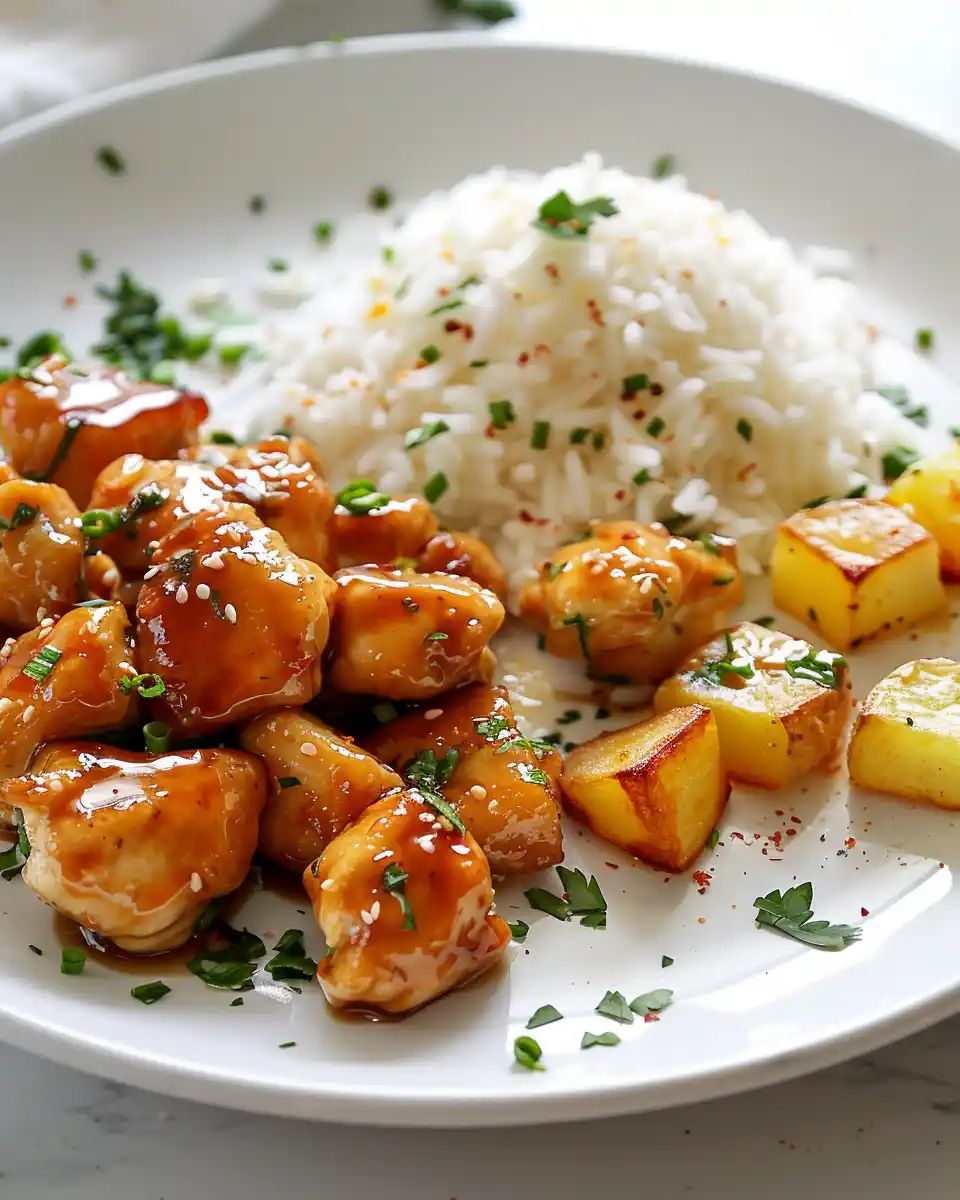
🍗 The Master Recipe: “No-Fuss” Honey Garlic Chicken Bites
This recipe is the “Goldilocks” of dinners: it’s sweet enough to be liked, savory enough to be a meal, and the texture is consistently tender without any “weird” bits.
Yields: 4 Servings
Prep time: 10 Minutes
Cook time: 15 Minutes
Ingredients:
- 1.5 lbs Boneless skinless chicken breasts, cut into 1-inch uniform cubes
- 1/4 cup Mild honey
- 2 tbsp Low-sodium soy sauce (or coconut aminos for a soy-free option)
- 1 tbsp Fresh garlic, minced very fine (no large chunks!)
- 1/2 tsp Onion powder
- 1 tbsp Olive oil
- 1/2 cup Chicken broth (low sodium)
- 1 tsp Cornstarch (whisked into the cold broth)
Instructions:
- Prep the Chicken: Pat the chicken cubes completely dry with paper towels. This ensures a golden, savory sear rather than a “rubbery” steam.
- Sear: Heat olive oil in a large skillet over medium-high heat. Add chicken in a single layer. Cook for 3-4 minutes per side until golden. Do not overcrowd the pan.
- The Sauce Bridge: In a small bowl, whisk the honey, soy sauce, garlic, and onion powder.
- Thicken: Lower the heat to medium. Pour the sauce over the chicken, then immediately add the broth/cornstarch mixture.
- Glaze: Stir constantly for 2-3 minutes until the sauce turns into a velvety, translucent glaze that coats the chicken.
- Serve: Serve over a “safe” side like plain white rice or Cheesy Ranch Potatoes and Smoked Sausage (omitting the sausage if they prefer just the potatoes).
🔄 5 Creative Variations for Variety
Once they accept the Master Recipe, use these variations to gently expand their palate:
- The “Taco” Shift: Swap the honey garlic sauce for a mild taco seasoning and serve as a “deconstructed” taco bowl.
- The Pasta Path: Use the same chicken prep but toss it with Ditalini Pasta Recipe and a mild butter-parmesan sauce.
- The “Hidden” Orange: Add 2 tablespoons of orange juice to the glaze. It adds Vitamin C and a bright “citrus pop” that feels like takeout.
- The Creamy Upgrade: Whisk in 2 tablespoons of Greek yogurt at the very end for a “creamy” version that mimics a mild stroganoff.
- The Skewer Strategy: Thread the chicken onto wooden skewers. Sometimes, just changing the shape of the food makes it “fun” enough to eat.
📦 Storage & Meal Prep
Picky eaters often thrive on consistency. If they liked it on Monday, they are more likely to eat it on Wednesday if it looks and tastes exactly the same.
- Fridge: Store in an airtight glass container for up to 3 days.
- Reheating: Avoid the microwave if possible, as it can make chicken “rubbery” (a major texture trigger). Reheat in a skillet with a splash of water to loosen the glaze.
- Freezer: This chicken freezes beautifully. Freeze in individual portions so you always have an “Approved Meal” ready to go when the rest of the family is eating something more adventurous, like a Luxurious Crab Brulee.
❓ FAQ: Solving the Picky Eater Puzzle
How do I handle the “Green Thing” freak-out? Stop trying to hide them! Instead, try “micro-exposure.” Place one tiny piece of broccoli on the side of the plate (the “no-thank-you helping”). They don’t have to eat it, but it needs to be there to normalize the visual presence of greens.
What if they only eat white foods (bread, pasta, potatoes)? Focus on “white” nutrient-dense swaps. Use cauliflower parsnip mash or white beans blended into a Cheesy Chicken and Rice Bake.
Should I make a separate meal? Ideally, no. Use the “Deconstructed Method.” If you are making Healthy Crockpot Chicken Tacos, serve the components in separate piles so they can choose what touches. Control is the best appetite stimulant.
Why does my child eat nuggets at school but not my homemade chicken? It’s likely a texture consistency issue. Processed nuggets are identical every time. To mimic this, ensure your homemade chicken is cut into identical sizes and cooked to the same level of “crispiness.”
Is it okay to use “dip” for everything? Yes! If a side of Quick Cheesy Rotel Dip Recipe gets them to eat protein or a new vegetable, use it. Dips provide a familiar flavor that masks the “scary” newness of a food.
🔗 More Family-Approved Resources
- Creamy Garlic Parmesan Chicken Crockpot: The Ultimate One-Pot Comfort Meal
- Sheet Pan Lemon Herb Chicken and Veggies
- For more on the psychology of eating, check out The Ultimate Anti-Inflammatory Meal Prep Guide.