We have all been there. It’s 5:30 PM, the kids are asking what’s for dinner, and the thought of scrubbing three different pots and pans makes you want to reach for the takeout menu. But what if I told you that you could have a wholesome, flavorful meal on the table with only one dish to wash?
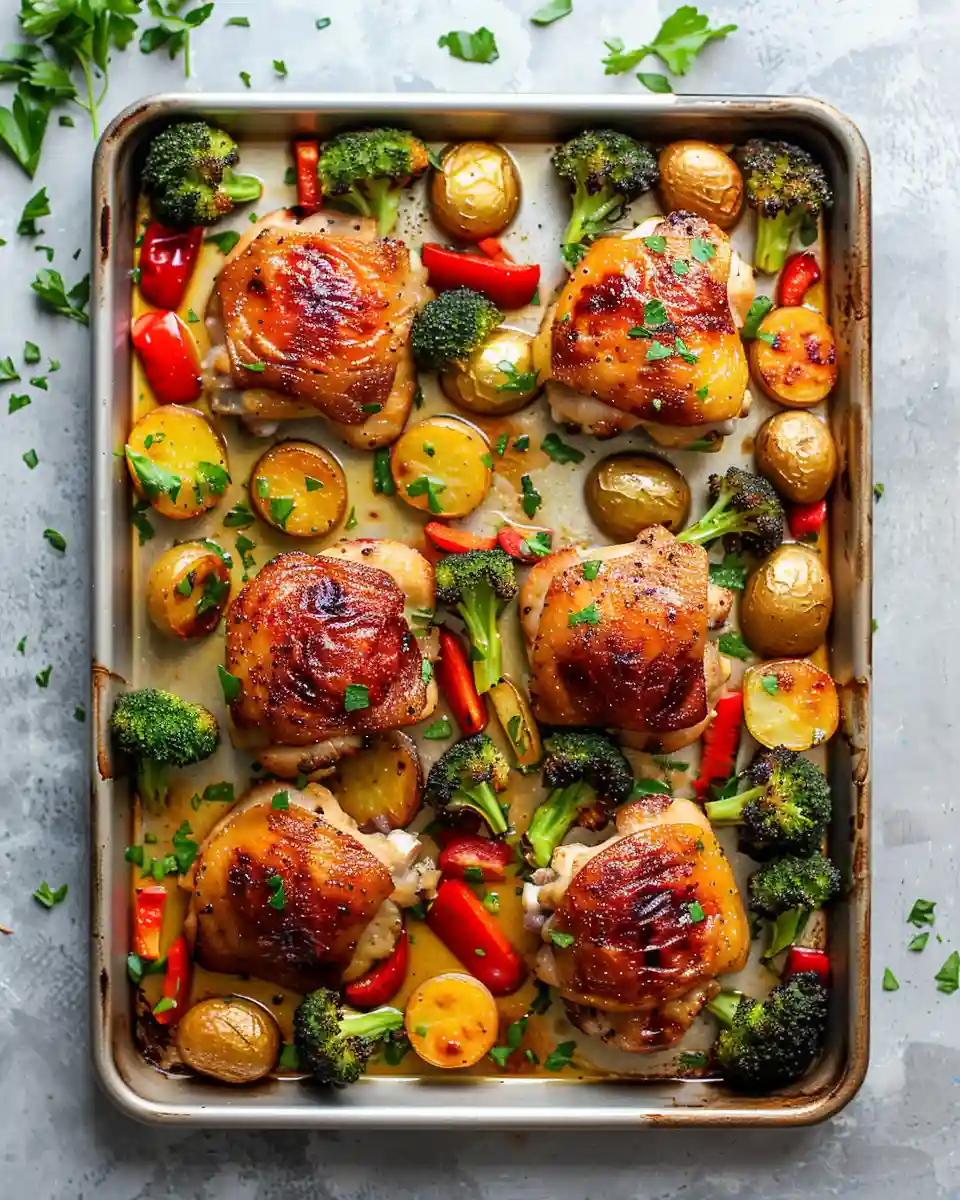
That is the magic of the one-pan chicken dinner. There is something incredibly satisfying about watching colorful vegetables and seasoned chicken thighs transform into a sizzling, aromatic masterpiece in the oven. The chicken skin gets perfectly crisp and golden, while the vegetables soak up all those savory juices, becoming tender and caramelized.
In this guide, I’m sharing my favorite “no-fail” method for a sheet-pan dinner that saves your sanity and your evening. This isn’t just a recipe; it’s a weeknight survival strategy.
The Beauty of One-Pan Cooking
The concept of “one-pan” cooking has been a staple in home kitchens for generations, though it has seen a massive resurgence lately. Whether it’s a cast-iron skillet or a simple rimmed baking sheet, the goal is the same: efficiency. By cooking your protein and your sides together, the flavors meld in a way that separate cooking just can’t replicate.
For more inspiration on easy, high-protein meals that don’t require a culinary degree, you might enjoy my One Pan Boneless Skinless Chicken Thighs or this family-favorite Sheet Pan Lemon Herb Chicken and Veggies.
Top 3 Pro Tips for Success
- Don’t Overcrowd the Pan: If your chicken and veggies are piled on top of each other, they will steam instead of roast. You want that dry heat to circulate so the chicken skin gets crispy and the veggies get those delicious charred edges. Use two pans if you have to!
- Uniform Vegetable Sizing: Cut your “hard” vegetables (like potatoes or carrots) smaller than your “soft” vegetables (like zucchini or bell peppers). This ensures everything finishes cooking at the exact same time.
- The High-Heat Secret: Roasting at 400°F (200°C) is the sweet spot. It’s hot enough to sear the outside of the chicken while keeping the inside juicy and tender.
The Ingredients
- 1.5 lbs Boneless Skinless Chicken Thighs (or bone-in for extra flavor)
- 1 lb Baby Gold Potatoes, halved
- 2 cups Broccoli florets
- 1 large Red Bell Pepper, chopped into 1-inch pieces
- 3 tbsp Extra Virgin Olive Oil
- 1 tsp Garlic Powder
- 1 tsp Dried Oregano
- 1/2 tsp Smoked Paprika (for that beautiful color)
- Salt and Black Pepper to taste
- 1/2 Fresh Lemon (for a bright finish)
Step-by-Step Instructions
- Preheat and Prep: Preheat your oven to 400°F (200°C). Line a large rimmed baking sheet with parchment paper or foil for even easier cleanup.
- Season the Chicken: Pat the chicken thighs dry with a paper towel. In a large bowl, toss the chicken with half of the olive oil and half of the spices.
- Prepare the Veggies: Place the potatoes, broccoli, and bell peppers on the baking sheet. Drizzle with the remaining olive oil and seasonings. Toss right on the pan until every piece is glistening.
- Assemble: Nestles the chicken thighs among the vegetables, making sure nothing is completely covered.
- Roast: Place the pan in the center of the oven. Roast for 25–30 minutes, or until the chicken reaches an internal temperature of 165°F (74°C) and the potatoes are fork-tender.
- The Finishing Touch: Remove from the oven and immediately squeeze the fresh lemon juice over the entire pan. This “wakes up” all the roasted flavors.
Ingredient Substitutions for Busy Cooks
When you’re in a rush, you have to use what you have. Use this table to swap ingredients based on your pantry!
| Original Ingredient | Recommended Substitute |
| Chicken Thighs | Chicken Breasts (reduce cook time by 5 mins) |
| Broccoli | Asparagus or Brussels Sprouts |
| Baby Potatoes | Cubed Sweet Potatoes or Butternut Squash |
| Dried Oregano | Italian Seasoning or Dried Thyme |
Common Mistakes to Avoid
- Using Cold Chicken: If you put ice-cold chicken straight from the fridge onto the pan, it will cook unevenly. Let it sit on the counter for about 10–15 minutes while the oven preheats.
- Skipping the Oil: Olive oil isn’t just for flavor; it’s the heat conductor. Without enough oil, your vegetables will look shriveled rather than roasted.
- Not Seasoning Enough: Potatoes and chicken are “salt soaks.” Don’t be afraid to be generous with your salt and pepper.
If you love the idea of “set it and forget it” meals but prefer a different appliance, check out my Slow Cooker Lemon Herb Chicken and Rice for another low-stress winner.
What to Serve With This
While this is a complete meal on its own, I often serve it with a light side to round out the plate. A simple Mediterranean Chickpea Salad adds a nice crunch, or if you want something heartier, a side of Ditalini Pasta tossed in olive oil is always a hit with my family.
Frequently Asked Questions
Can I use chicken breasts instead of thighs?
Yes! However, chicken breasts dry out much faster than thighs. I recommend cutting them into even, large chunks so they cook at the same rate as the potatoes, or checking them with a meat thermometer at the 20-minute mark.
How do I store and reheat leftovers?
Store leftovers in an airtight container in the fridge for up to 3 days. To keep the chicken from getting rubbery, reheat it in the oven at 350°F or in an air fryer for 3–5 minutes.
Can I make this ahead of time?
You can chop the vegetables and season the chicken up to 24 hours in advance. Store them in separate containers and just dump them onto the pan when you’re ready to roast.
What other vegetables work well?
Carrots, cauliflower, and green beans are excellent. Just remember to keep the sizes consistent. Avoid very watery vegetables like spinach or cucumbers for this roasting method.
Do I have to use parchment paper?
You don’t have to, but it makes the “easy cleanup” promise a reality. If you don’t use it, make sure to grease the pan well so the chicken doesn’t stick.
For those nights when you want something even more indulgent, you have to try my Melt-in-Your-Mouth Golden Parmesan Chicken. It’s a total game-changer!