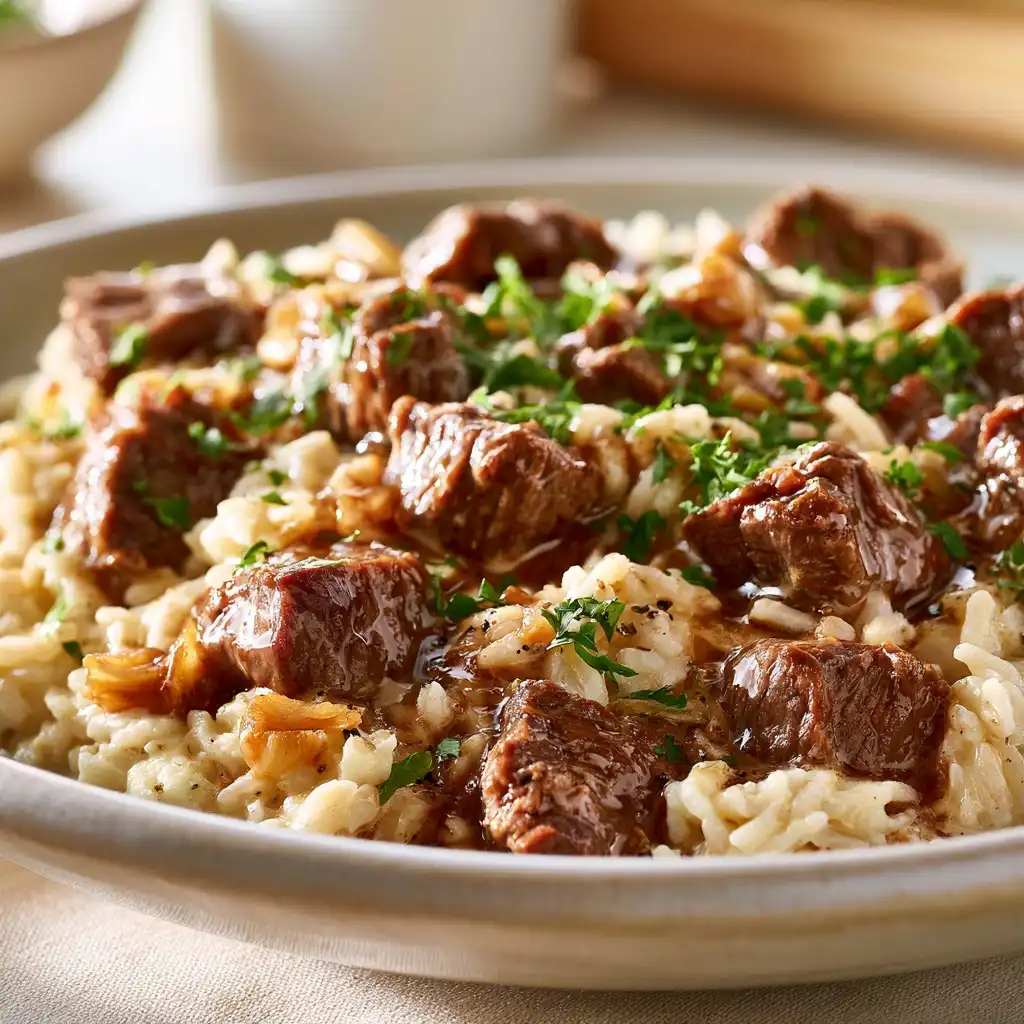
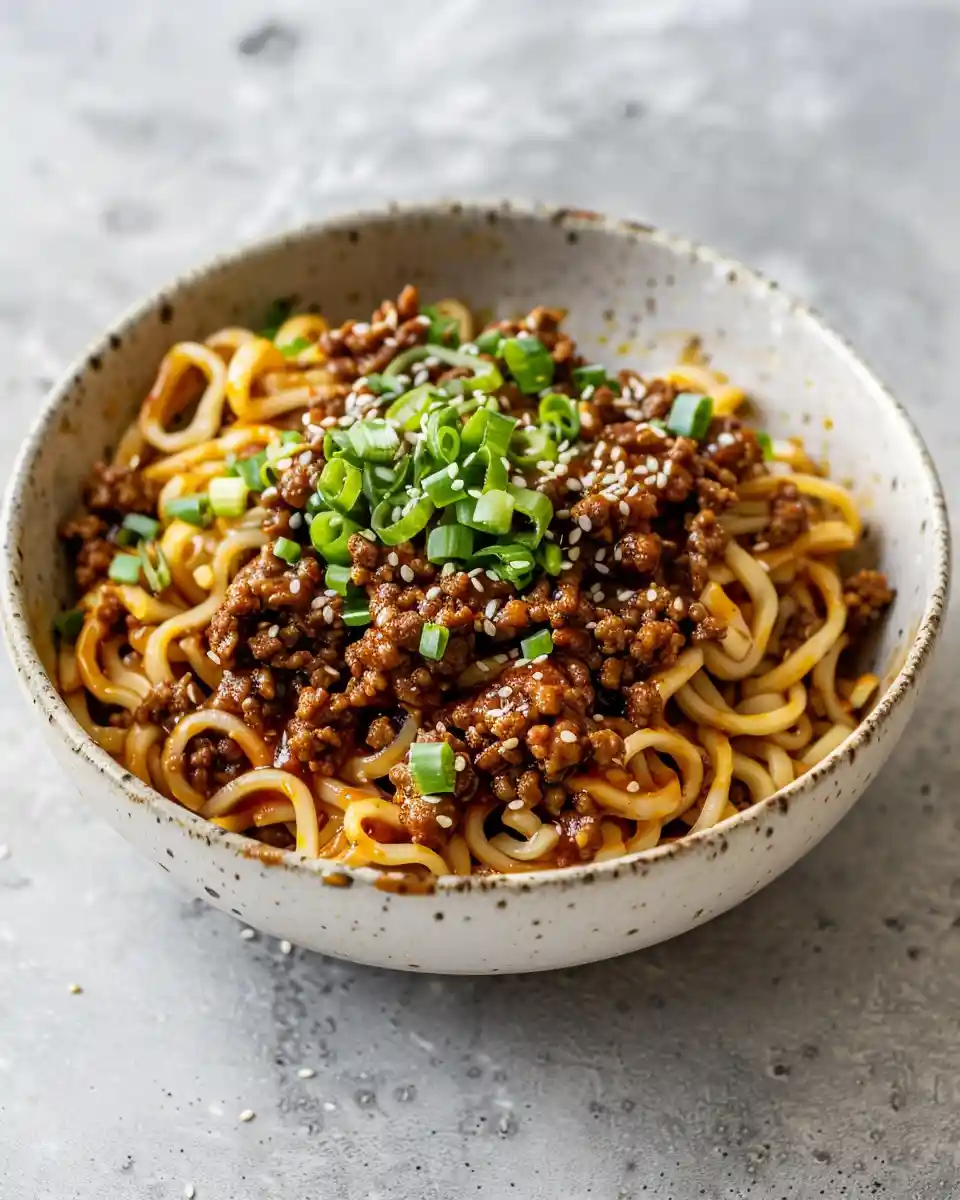
If you have 20 minutes and a pound of ground beef, you are less than half an hour away from a dinner that rivals your favorite local bistro. These Mongolian Ground Beef Noodles are the answer to the “what’s for dinner” fatigue that hits every Wednesday. We’re talking about chewy, tender noodles tossed in a glossy, savory-sweet glaze with perfectly browned beef and the sharp, fresh bite of scallions.
The beauty of this dish lies in its simplicity, but as a chef, I can tell you that the difference between “good” and “unforgettable” is all in the technique. We aren’t just boiling meat; we are building layers of umami and texture.
The Story Behind the Sizzle
While traditional Mongolian Beef is often made with flank steak or ginger-soy marinated strips, the transition to ground beef is a game-changer for the home cook. It’s accessible, affordable, and provides more surface area for that signature sauce to cling to. This recipe draws inspiration from the bold, ginger-forward profiles of classic stir-fry but modifies the process for maximum speed. It’s a “modern classic” that respects the flavor profile while respecting your busy schedule.
Top 3 Pro Tips for Success
- Don’t Crowd the Pan: When browning your ground beef, treat it like a steak. If you stir it constantly, it will steam in its own juices and turn grey. Let it sit undisturbed for 3–4 minutes to develop a deep, dark crust. This is where the flavor lives.
- Rinse Your Noodles: If you are using wheat-based noodles or ramen, rinse them under cold water immediately after boiling. This removes excess starch and stops the cooking process, ensuring they don’t turn into a mushy mess when they hit the hot sauce.
- Balance the Umami: Always use low-sodium soy sauce. This allows you to control the salt levels while letting the brown sugar and ginger shine. If the sauce feels too heavy, a tiny splash of rice vinegar (acid) at the very end will brighten the entire dish.
Common Mistakes to Avoid
- Overcooking the Noodles: Always cook your noodles for 1 minute less than the package directions. They will finish cooking in the pan as they absorb the sauce.
- Using Too Much Fat: If you are using 80/20 ground beef, you must drain the excess fat after browning. Too much grease will prevent the sauce from emulsifying, leaving you with an oily mouthfeel rather than a velvety glaze.
- Skipping Fresh Aromatics: Jarred ginger and garlic are convenient, but fresh aromatics provide a “top note” of flavor that the preserved versions simply cannot match.
Ingredient Substitution Matrix
To make this mobile-friendly, here is a quick guide on how to swap ingredients based on what is in your pantry right now.
| Original Ingredient | Best Substitute |
| Ground Beef | Ground Turkey or Ground Chicken |
| Ramen Noodles | Linguine, Fettuccine, or Rice Noodles |
| Brown Sugar | Honey or Maple Syrup |
| Fresh Ginger | 1/2 tsp Ground Ginger (per tbsp fresh) |
| Soy Sauce | Liquid Aminos or Tamari (Gluten-Free) |
Ingredients for Mongolian Ground Beef Noodles
- 1 lb Ground Beef (90% lean is preferred for this recipe)
- 8 oz Noodles (Ramen, Lo Mein, or even Ditalini Pasta Recipe if you want a unique twist)
- 3 cloves Garlic, minced
- 1 tbsp Fresh Ginger, grated
- 1/2 cup Low-Sodium Soy Sauce
- 1/3 cup Brown Sugar, packed
- 1/2 cup Beef Broth (or water)
- 1 tsp Red Pepper Flakes (optional, for heat)
- 2 tbsp Cornstarch (mixed with 2 tbsp water to create a slurry)
- 4 Scallions, sliced (separate white and green parts)
- 1 tbsp Toasted Sesame Oil
Step-by-Step Instructions
- Prep the Noodles: Bring a large pot of salted water to a boil. Cook the noodles according to the package instructions (minus one minute). Drain and rinse with cold water. Set aside.
- Sear the Beef: In a large skillet or wok over medium-high heat, add the ground beef. Spread it out into a flat layer. Let it sear undisturbed for 3–4 minutes until a brown crust forms. Break it apart into large chunks and continue cooking until no pink remains. Drain any excess grease.
- Aromatics: Lower the heat to medium. Add the white parts of the scallions, the minced garlic, and the grated ginger. Sauté for 60 seconds until fragrant, being careful not to burn the garlic.
- The Glaze: Pour in the soy sauce, brown sugar, beef broth, and red pepper flakes. Stir well, scraping the bottom of the pan to release any browned bits (the fond).
- Thicken: Stir the cornstarch slurry once more and pour it into the simmering sauce. Stir constantly for 1–2 minutes until the sauce thickens and becomes glossy.
- The Toss: Add the cooked noodles to the skillet. Use tongs to toss the noodles and beef together until every strand is coated in the dark Mongolian glaze.
- Finish: Remove from heat. Drizzle with sesame oil and garnish generously with the green parts of the scallions and sesame seeds.
Serving Suggestions and Pairings
This dish is a complete meal on its own, but if you want to add more volume, I recommend serving it alongside some charred broccoli or a crisp cucumber salad. For those who enjoy a bit of variety in their ground beef rotation, you might also enjoy my Korean Ground Beef Bowl: Your 20-Minute Weeknight Dinner Hero or this Beef and Broccoli Recipe (One Pan, 25 Minutes!).
If you’re looking for a different noodle experience entirely, check out the Sesame-Ginger Ground Beef Noodles for a more nut-forward flavor profile.
Frequently Asked Questions
Can I use frozen ground beef?
Yes, but ensure it is completely thawed and patted dry with paper towels. Excess moisture will prevent the beef from searing properly, resulting in a boiled texture.
What are the best noodles to use?
Standard ramen noodles (even the cheap packs, minus the seasoning) work beautifully because their crinkly texture holds onto the sauce. For a more “gourmet” feel, use fresh lo mein or udon.
Is this recipe spicy?
As written, it has a mild warmth from the red pepper flakes. If you are sensitive to heat, omit the flakes. If you love spice, add a tablespoon of Sriracha or chili crisp at the end.
How do I store leftovers?
These noodles store exceptionally well in an airtight container for up to 3 days. When reheating, add a splash of water or broth to loosen the sauce, as the noodles will absorb moisture while sitting in the fridge.
Can I add vegetables to this?
Absolutely. Sliced bell peppers, shredded carrots, or snap peas are excellent additions. Add them at the same time as the garlic and ginger so they stay crisp-tender.
For more information on selecting the best cuts of beef for home cooking, you can consult the USDA Guide to Beef Grades.