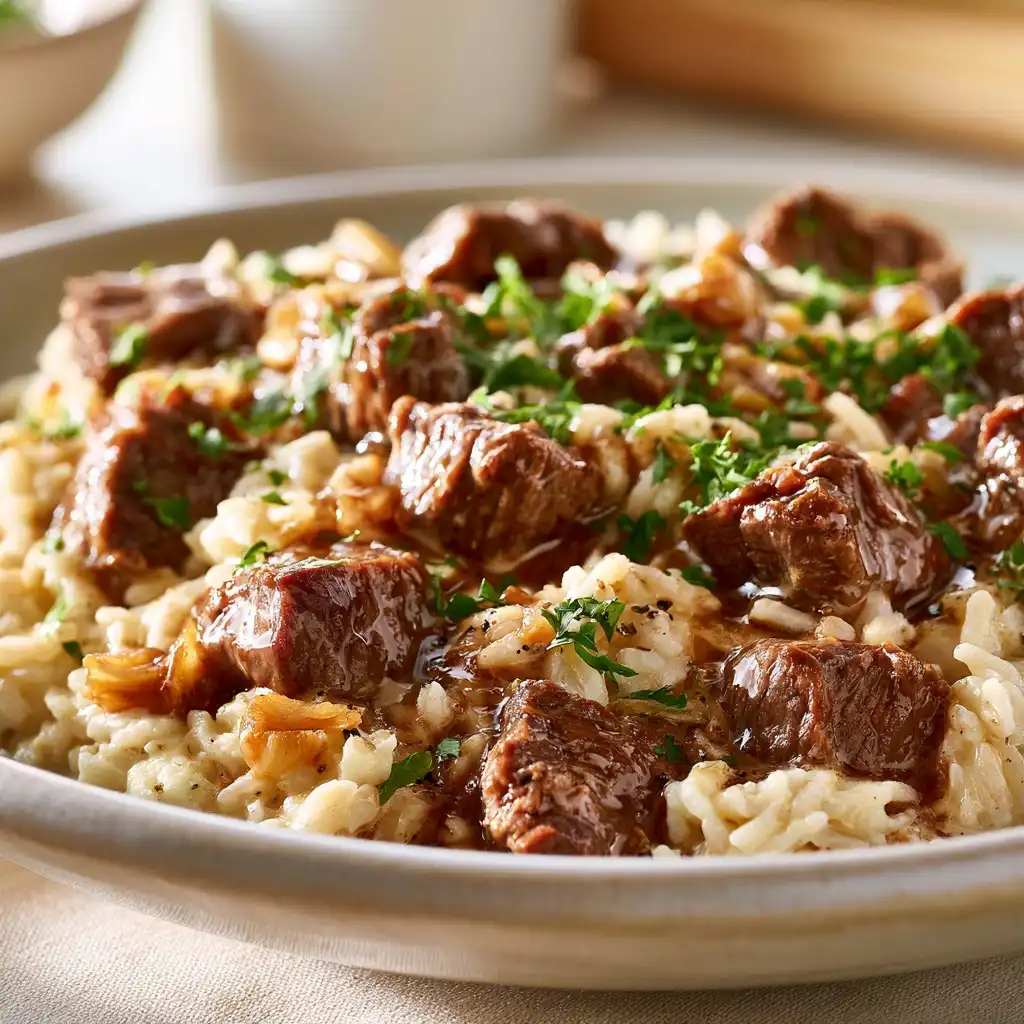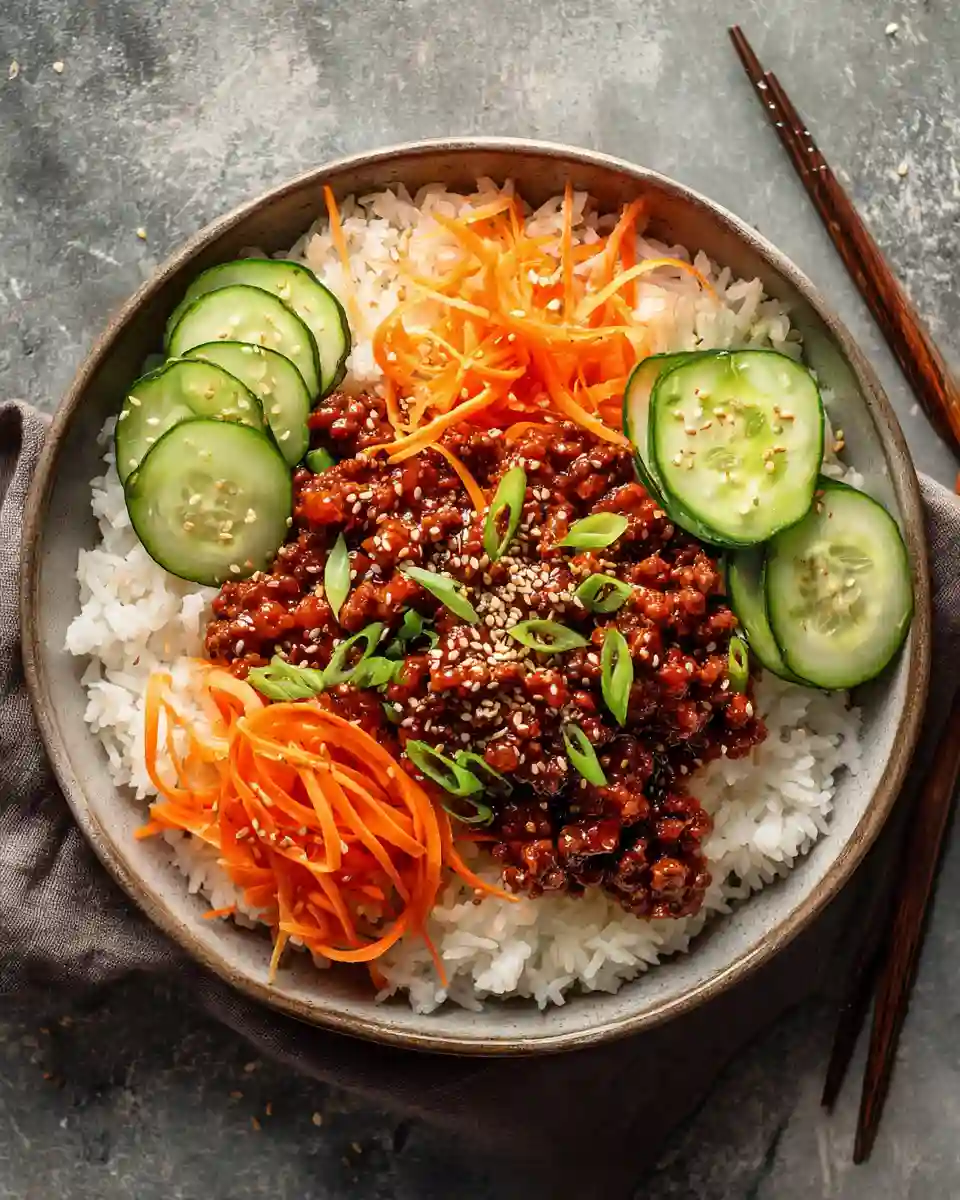
If there is one thing I love more than a meal that tastes like expensive takeout, it’s a meal that is actually faster—and cheaper—to make at home than placing an order.
These Korean Gochujang Ground Beef Bowls are the ultimate weeknight savior. We are talking about crispy, caramelized beef tossed in a sticky, sweet-and-spicy glaze that hits every single taste bud. The heat from the fermented chili paste warms you up, while the brown sugar and soy sauce create that addictive savory depth we all crave.
Best of all? It comes together in about 20 minutes. It’s perfect for busy families who want to switch up their ground beef routine without spending hours in the kitchen. Let’s get cooking!
Why You’ll Love This Recipe
- Flavor Explosion: It balances salty, sweet, spicy, and umami perfectly.
- Budget-Friendly: It transforms a simple pound of ground beef into a gourmet-style meal.
- Meal Prep Gold: The beef actually tastes better the next day after the flavors meld.
- Customizable: You can adjust the heat level to suit your family’s tolerance.
What is Gochujang?
If you haven’t cooked with Gochujang yet, you are in for a treat. It is a thick, sticky, fermented red chili paste that is a staple in Korean cooking. Unlike hot sauce (which is vinegar-based and runny), Gochujang has a deep, savory richness and a subtle sweetness from fermented rice.1
Where to find it: You can find it in the Asian aisle of almost any major grocery store (look for a red tub) or at your local Asian market.
Ingredients Checklist
Here is everything you need to make these savory bowls.
The Beef:
- 1 lb Ground Beef: I recommend 85% to 90% lean. You want a little fat for flavor, but you don’t want the sauce to be greasy.
- 1 tbsp Sesame Oil: Used for browning the beef and adding a nutty aroma.
- ½ Onion: Small diced (yellow or white).
- 3 cloves Garlic: Minced (fresh is best!).
- 1 tsp Fresh Ginger: Grated (or ½ tsp ground ginger).
The Gochujang Sauce:
- 2 tbsp Gochujang: The star of the show.
- ¼ cup Soy Sauce: Use low-sodium to control the saltiness.
- 2 tbsp Brown Sugar: Light or dark works; this helps glaze the beef.
- 1 tbsp Rice Vinegar: Adds a tangy brightness to cut the richness.
- ¼ tsp Black Pepper: Freshly cracked.
The Bowl Assembly:
- 4 cups Cooked Rice: Jasmine, short-grain white rice, or brown rice.
- Toppings (Optional but Recommended): Sliced cucumbers, shredded carrots, green onions, sesame seeds, and a fried egg on top.
Emily’s Tip: If you want extra veggies, throw some diced zucchini or bell peppers into the pan with the onions!
Step-by-Step Instructions
1. Make the Sauce
In a small bowl, whisk together the Gochujang paste, soy sauce, brown sugar, rice vinegar, and black pepper. If the Gochujang is very thick, you can add 1 tablespoon of water to help thin it out. Set this aside.
2. Brown the Aromatics and Beef
Heat the sesame oil in a large skillet over medium-high heat. Add the diced onion and cook for 2–3 minutes until softened.
Add the ground beef, garlic, and ginger. Break the beef apart with a wooden spoon or spatula. Let it cook undisturbed for about a minute or two to get a nice sear, then continue cooking until the beef is fully browned and no longer pink (about 5–6 minutes).
Crucial Step: Drain any excess grease from the pan before adding the sauce. If you leave too much fat, the sauce won’t coat the meat properly—it will just slide off.
3. Caramelize the Beef
Pour the sauce mixture over the cooked beef. Reduce the heat to medium. Stir well to coat every crumble of meat.
Let the mixture simmer for 2–3 minutes. The sugars in the sauce will bubble and thicken, creating a shiny, sticky glaze that clings to the beef. It should look glossy, not soupy.
4. Assemble the Bowls
Scoop a generous portion of warm rice into bowls. Top with the spicy beef mixture. Add fresh cucumber slices and shredded carrots for crunch to balance the savory meat. Garnish with green onions and sesame seeds.
Top 3 Tips for Success
- Don’t Skip the Sear: When cooking the beef, let it sit on the hot pan for a moment before breaking it up too much. That “Maillard reaction” (browning) adds a depth of flavor that boiling the meat in its own juices simply can’t match.
- Adjust the Heat: Gochujang varies by brand—some are mild, some are very spicy.2 Taste a tiny bit of the paste before mixing your sauce. If it’s too spicy for your kids, use less paste and add a splash more soy sauce and sugar.
- Fresh Over Powder: While garlic powder works in a pinch, using fresh garlic and ginger makes a massive difference in this recipe. The aromatics really cut through the heavy sauce.
Common Mistakes to Avoid
- Crowding the Pan: If you use a pan that is too small, the beef steams instead of browning. Use your largest skillet or a wok.
- Over-Reducing the Sauce: The sauce contains sugar. If you cook it too long at high heat, it can turn into hard candy or burn. once it coats the spoon and the meat, take it off the heat.
- Forgetting the Acid: The rice vinegar is essential. Without it, the dish can feel heavy and one-note (just salty/spicy). If you don’t have rice vinegar, apple cider vinegar is a decent substitute.
Quick Substitution Guide
Running low on ingredients? Here is how to swap things out without ruining dinner.
| Ingredient | Best Substitute | Note |
| Gochujang | Sriracha + Miso Paste | Mix 1 tbsp Sriracha with 1 tsp Miso (or just less sugar) for a similar funk. |
| Rice Vinegar | Apple Cider Vinegar | Use slightly less, as ACV is stronger. |
| Ground Beef | Ground Turkey or Chicken | Dark meat poultry works best to keep it juicy. |
| Fresh Ginger | Ground Ginger | Use 1/4 tsp ground for every 1 tsp fresh. |
| Brown Sugar | Honey or Maple Syrup | Adds a different flavor profile but still glazes well. |
What to Serve With This
These bowls are a “complete meal” on their own, but if you want to stretch the beef further or add more greens, try these pairings:
- Garlicky Green Beans: Stir-fry green beans in the same pan after you remove the beef.
- Kimchi: Store-bought kimchi adds a fermented crunch that cuts through the richness of the beef.
- Simple Salad: A side of Asian Chicken Salad with Crunchy Vegetables (without the chicken) makes a fresh, crisp side.
- Dumplings: Serve a side of frozen steamed dumplings for a full feast.
If you enjoy meal prepping bowls, you might also love my Sweet Potato Black Bean Burrito Bowl Meal Prep for a different flavor profile later in the week!
Frequently Asked Questions
Is this recipe gluten-free?
Gochujang often contains wheat (from the fermentation process) and soy sauce usually contains wheat. To make this gluten-free, you must buy certified gluten-free Gochujang and use Tamari or Coconut Aminos instead of soy sauce.
Can I make this ahead of time?
Absolutely! This is one of my favorite meal preps. Store the beef and rice in separate containers if possible, or together in an airtight container for up to 4 days. Reheat in the microwave for 90 seconds. The flavor actually gets better on day two. Check out my Honey Sriracha Meatball Meal Prep for more sweet-heat lunch ideas.
My sauce is too salty. How do I fix it?
This usually happens if standard soy sauce is used instead of low-sodium, or if the beef broth reduced too much. To fix it, add a splash of water and a teaspoon more brown sugar or a squeeze of lime juice. The acid and sweet will counteract the salt.
Can I use a different meat?
Yes! This marinade works wonders on ground turkey, ground chicken, or even crumbled tofu for a vegetarian option. Just be careful not to overcook poultry as it dries out faster than beef.
Is Gochujang very spicy?
It has a slow burn. It is generally not as sharp as Tabasco or Cayenne, but it has heat. Most tubs are labeled “Mild,” “Medium,” or “Hot.” I usually stick to Medium for a family-friendly balance.