Finding a dinner that satisfies the “cheap, fast, and delicious” trifecta is usually the holy grail of home cooking. We’ve all been there: staring into the pantry at 6:00 PM with a box of pasta, a few cloves of garlic, and a frozen chicken breast, wondering if we can turn them into something worth eating.
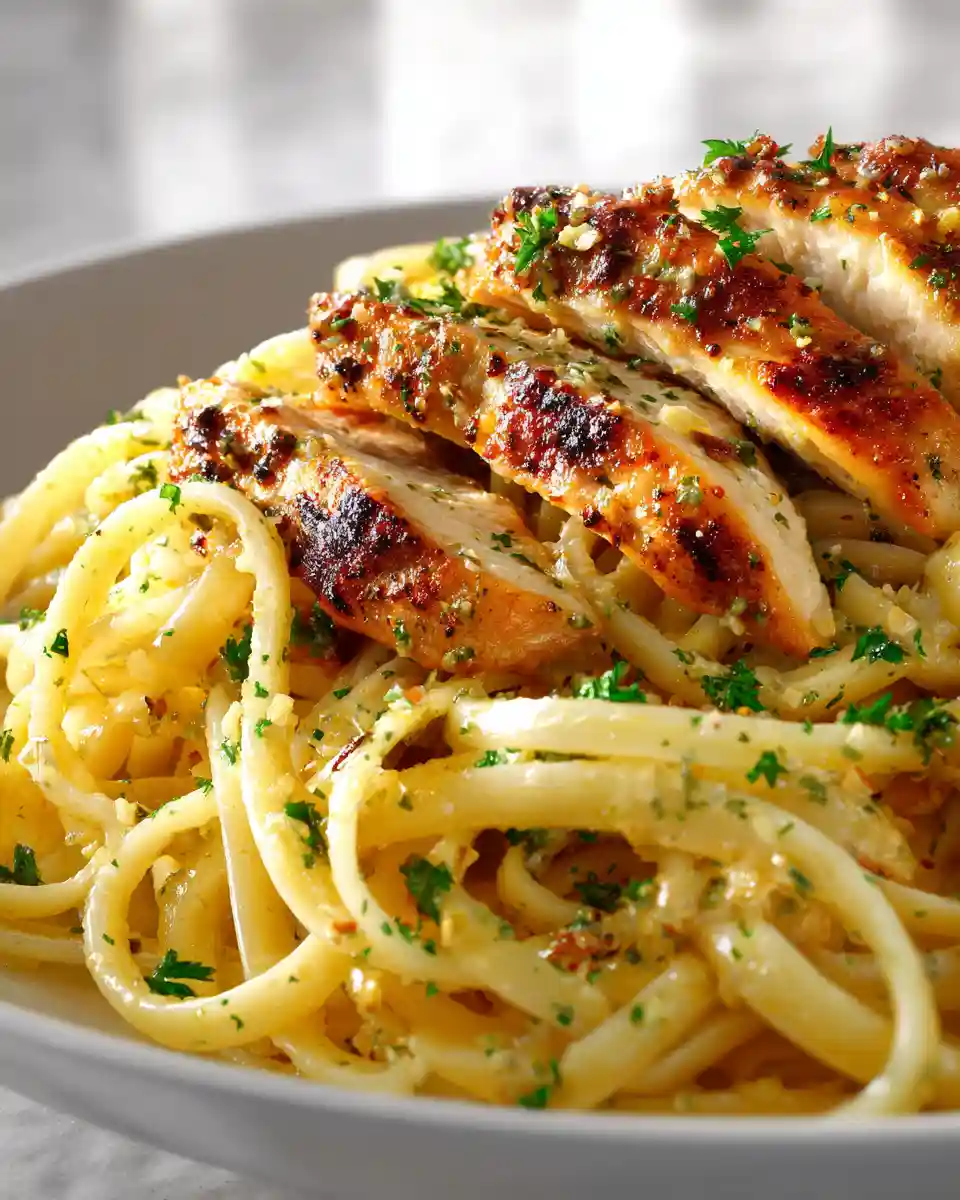
The answer is a resounding yes. These Garlic Butter Noodles with Chicken are more than just a “budget meal.” They are a masterclass in building flavor with minimal ingredients. By emulsifying high-quality butter with starchy pasta water and aromatic garlic, we create a silky, golden sauce that clings to every strand of noodle. Adding lean chicken breast transforms this from a side dish into a high-protein, satisfying main event that keeps you full without breaking the bank.
Why It Works
- Pantry Staples First: You likely have 90% of these ingredients in your kitchen right now.
- Emulsification: We don’t just melt butter; we create a “monte au beurre” style sauce using pasta water, giving it a luxurious mouthfeel without heavy cream.
- Texture Contrast: The tender, pan-seared chicken provides a necessary bite against the soft, buttery noodles.
- The 20-Minute Timeline: From boiling the water to the first bite, this dish is designed for the busiest weeknights.
Ingredient Deep Dive & Substitution Matrix
In a simple recipe, the quality of your staples matters. Here is how to choose your players wisely:
| Ingredient | Role | Maya’s Pro-Tip / Substitution |
| Pasta | The Base | Long noodles like Linguine or Fettuccine provide more surface area for the sauce. Sub: Use Ditalini Pasta Recipe for a spoonable, kid-friendly version. |
| Chicken | The Protein | Use boneless, skinless breasts for a lean option, or thighs for more juice. Sub: Pre-cooked rotisserie chicken works great if you’re in a rush. |
| Garlic | The Aromatics | Always use fresh cloves. Jarred garlic lacks the “bite” and sweetness of freshly minced bulbs. |
| Butter | The Fat | Use unsalted butter so you can control the sodium levels perfectly. |
| Parmesan | The Finisher | Real Parmigiano-Reggiano adds a salty, nutty depth that “shaker” cheese cannot replicate. |
How to Make the Best Garlic Butter Noodles with Chicken
The Ingredients (U.S. Measurements)
- 1 lb (16 oz) Linguine or Spaghetti
- 1.5 lbs Boneless Skinless Chicken Breast, cut into 1-inch bite-sized pieces
- 6 tbsp Unsalted Butter (divided)
- 6 cloves Garlic, finely minced
- 1/2 cup Grated Parmesan Cheese
- 1/2 tsp Salt (plus more for pasta water)
- 1/2 tsp Black Pepper
- 1/2 tsp Garlic Powder (for the chicken)
- 1/4 tsp Crushed Red Pepper Flakes (optional)
- Fresh Parsley for garnish
Step-by-Step Instructions
1. Prep the Pasta
Bring a large pot of heavily salted water to a boil. Cook your pasta 1 minute shy of the package instructions for “al dente.” Crucial Step: Before draining, scoop out at least 1 cup of starchy pasta water. Set it aside. Drain the noodles.
2. Sear the Chicken
While the water is boiling, season your chicken pieces with salt, pepper, and garlic powder. In a large skillet or pan, melt 2 tablespoons of butter over medium-high heat. Add the chicken in a single layer. Cook for 5–7 minutes, turning occasionally, until golden brown and cooked through (internal temp of 165°F). Remove the chicken from the pan and set aside on a plate.
3. Create the Garlic Gold
Lower the heat to medium. In the same skillet (don’t wash it—those brown bits are flavor!), add the remaining 4 tablespoons of butter. Once melted, add the minced garlic and red pepper flakes. Sauté for just 1–2 minutes until the garlic is fragrant and translucent, but do not let it brown. Brown garlic becomes bitter.
4. The Emulsion Phase
Whisk in 1/2 cup of the reserved pasta water into the garlic butter. Let it simmer for 1 minute to thicken slightly.
5. Toss and Finish
Add the cooked noodles and the seared chicken back into the skillet. Using tongs, toss everything vigorously. Sprinkle in the Parmesan cheese and keep tossing. The cheese and the remaining pasta water will marry with the butter to create a glossy, creamy coating. If it looks dry, add a splash more pasta water.
6. Garnish
Finish with plenty of fresh parsley and an extra crack of black pepper.
Storage & Meal Prep Guide
This recipe is a meal-prepper’s dream because it holds up remarkably well.
- Fridge: Store in an airtight container for up to 4 days.
- Reheating (The Secret): Butter-based sauces tighten up in the fridge. To revive the silkiness, add a teaspoon of water or milk before microwaving. Heat in 30-second intervals, tossing in between.
- Freezing: While you can freeze this, pasta often becomes mushy upon thawing. If you must, undercook the pasta even further (3 minutes shy of al dente) before freezing.
5 Creative Variations
- The Veggie Powerhouse: Fold in two cups of baby spinach at the very end. The residual heat will wilt it perfectly. You can also try this with roasted broccoli, much like my Beef and Broccoli Recipe (One Pan, 25 Minutes!).
- The Creamy Twist: Stir in 1/4 cup of heavy cream or 2 tablespoons of cream cheese during the “Emulsion Phase” for a mock-Alfredo vibe.
- Lemon Garlic Butter: Add the zest and juice of one lemon to the butter sauce to cut through the richness. This pairs beautifully with my Slow Cooker Lemon Herb Chicken and Rice.
- The Mediterranean: Add sundried tomatoes, kalamata olives, and swap the Parmesan for Feta. For a salad-style side, check out The Ultimate Mediterranean Chickpea Salad That Actually Fills You Up.
- Cajun Style: Season the chicken with heavy Cajun spices instead of garlic powder for a spicy kick that plays perfectly against the butter.
Troubleshooting / Common Fixes
“My sauce is oily and separated!”
This happens when there isn’t enough starch to bind the fat. Add a few more tablespoons of pasta water and a handful of cheese, then toss vigorously over low heat to bring it back together.
“The garlic tastes bitter.”
You likely burnt the garlic. Garlic only needs about 60 seconds to cook. If it turns dark brown, it’s best to wipe the pan and start the butter/garlic step over—it’s the only way to save the flavor profile.
“The chicken is dry.”
Chicken breast cooks fast once cubed. Ensure you are removing it from the pan the second it hits 165°F. It will continue to cook slightly while it rests on the plate.
Meal Planning: Making it a Full Dinner
To turn this into a balanced family meal, I recommend starting with a light appetizer or serving a crisp side. If you are hosting a small get-together, these noodles act as a fantastic “main” alongside my Quick Cheesy Rotel Dip Recipe: Perfect Party Appetizer.
For dessert, stay with the “simple but effective” theme and try this Ultimate Chocolate Chip Banana Bread Recipe: A Must-Try for Bakers. It’s the perfect sweet note to follow a savory, garlic-heavy meal.
FAQ
Can I use margarine instead of butter?
You can, but the flavor will be significantly different. Butter provides a rich, dairy sweetness that margarine lacks. If you are looking for a dairy-free option, a high-quality olive oil is a better substitute than margarine.
What is the best pasta shape for this?
Linguine is the gold standard here because the flat, wide surface holds the garlic bits and butter perfectly. However, Fettuccine, Spaghetti, or even Penne will work in a pinch.
How can I make this gluten-free?
Simply swap the wheat pasta for your favorite gluten-free brand (chickpea or brown rice pasta works well). Also, ensure your chicken seasoning is certified gluten-free. For more GF inspiration, see my High-Protein, Gluten-Free Chicken Parmesan Casserole: The Healthy Weeknight Hero.
Can I add shrimp instead of chicken?
Absolutely. Shrimp cooks even faster—usually 2 minutes per side. It’s a great way to elevate the dish into something more “gourmet.”
Is this dish healthy?
As a nutritionist, I look at balance. By using lean chicken breast and adding a side of greens, you have a solid balance of protein, fats, and carbs. If you want to lower the carbs, you can do a 50/50 mix of pasta and zucchini noodles.
These Garlic Butter Noodles with Chicken prove that you don’t need a huge budget or a culinary degree to put a 5-star meal on the table. It’s about the technique—the sizzle of the garlic, the toss of the pasta, and the magic of that starchy water.