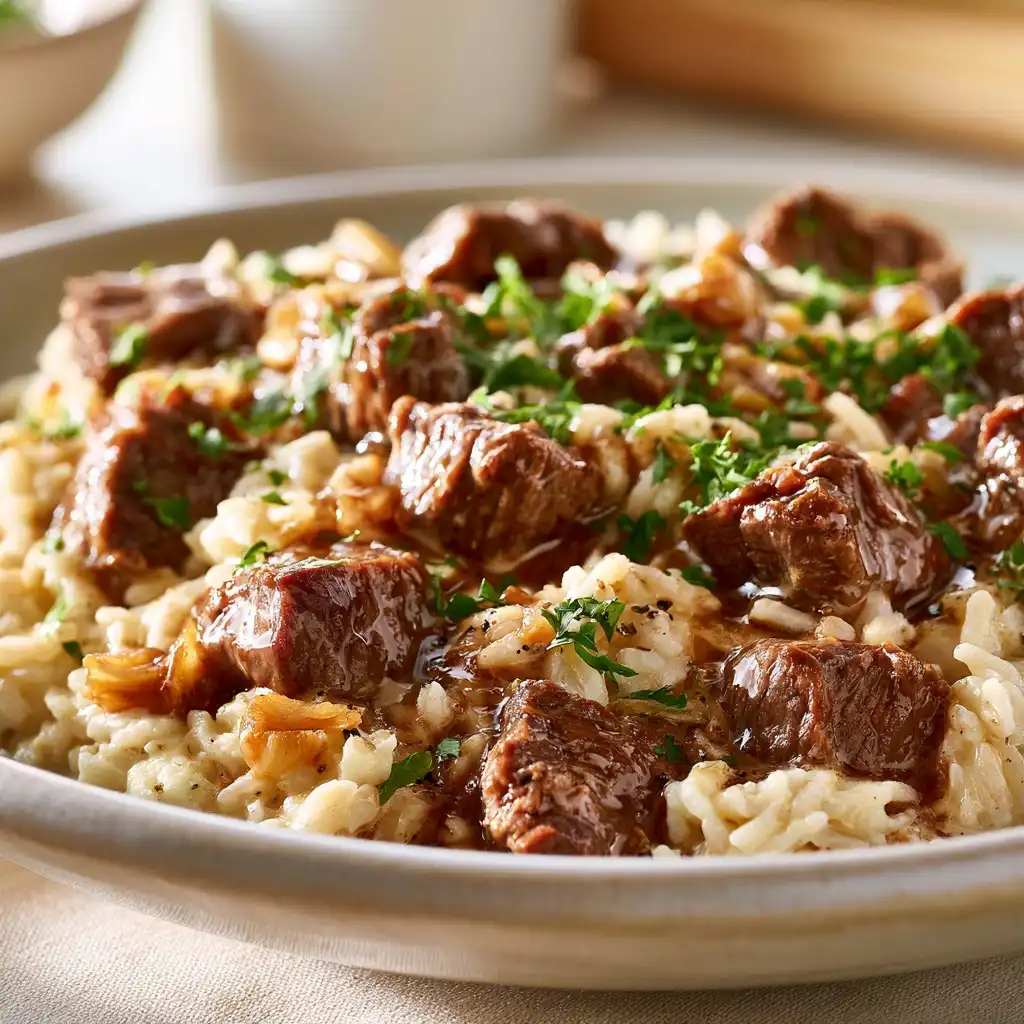
Transforming Your Plate to Fight Inflammation
Chronic inflammation, the body’s long-term, low-grade immune response, is a silent catalyst for many modern health concerns, from joint pain and digestive issues to heart disease and cognitive decline. The most powerful, accessible tool we have to manage this internal fire is not a pill, but the food on our plate. An anti-inflammatory diet is a pattern of eating rich in whole, minimally processed foods, healthy fats, vibrant antioxidants, and gut-supporting fiber, effectively turning your kitchen into a personalized pharmacy.
This guide is designed to move beyond theory and into delicious, sustainable practice. We’ve curated a 7-day reset plan centered around five easy-to-master, global-inspired recipes that are perfect for batch cooking. You’ll learn the core ingredients, the essential kitchen techniques, and how to meal prep your way to a calmer, healthier body without sacrificing flavor or spending hours in the kitchen.
The Science of Suppression: Top 10 Anti-Inflammatory Powerhouses
Understanding the “why” behind anti-inflammatory eating is crucial for long-term adherence. The key lies in minimizing pro-inflammatory foods (refined sugars, trans fats, processed meats) while maximizing nutrient-dense ingredients that actively combat oxidative stress and cellular damage.
| Powerhouse Ingredient | Key Anti-Inflammatory Compound | Core Benefit |
| Fatty Fish (Salmon, Mackerel) | Omega-3 Fatty Acids (EPA & DHA) | Reduces production of inflammatory eicosanoids and cytokines. (Source: NIH) |
| Turmeric | Curcumin | Blocks NF-kB, a molecule that turns on inflammation genes. |
| Extra Virgin Olive Oil (EVOO) | Oleocanthal, Monounsaturated Fats | Mimics the effects of ibuprofen; strong antioxidant properties. |
| Berries (Blueberries, Raspberries) | Anthocyanins, Quercetin | Potent antioxidants that neutralize free radicals, protecting cells. |
| Ginger | Gingerols and Shogaols | Inhibits several enzymes involved in inflammation. |
| Leafy Greens (Spinach, Kale) | Carotenoids, Vitamin K | Excellent source of antioxidants and magnesium; supports bone health. |
| Cruciferous Veggies (Broccoli, Cabbage) | Sulforaphane | Activates detoxifying enzymes and reduces inflammation markers. |
| Whole Grains (Oats, Quinoa, Farro) | Fiber, Beta-Glucans | Feeds beneficial gut bacteria, strengthening the gut barrier and reducing systemic inflammation (Gut-Brain Axis). |
| Nuts & Seeds (Walnuts, Chia, Flax) | Alpha-linolenic acid (ALA), Vitamin E, Fiber | Plant-based Omega-3s and high antioxidant content for cell protection. |
| Garlic & Onions | Quercetin and Sulfur Compounds | Inhibits pro-inflammatory enzymes and supports immune function. |
The Anti-Inflammatory Batch Cooking Blueprint: 5 Essential Recipes
These five recipes are designed to be prepared in larger quantities on one “prep day” (e.g., Sunday) and then mixed, matched, and enjoyed throughout the week. They minimize the use of refined oils and added sugar while featuring multiple powerhouse ingredients.
1. Mediterranean Sheet Pan Salmon with Turmeric-Roasted Root Vegetables (Dinner)
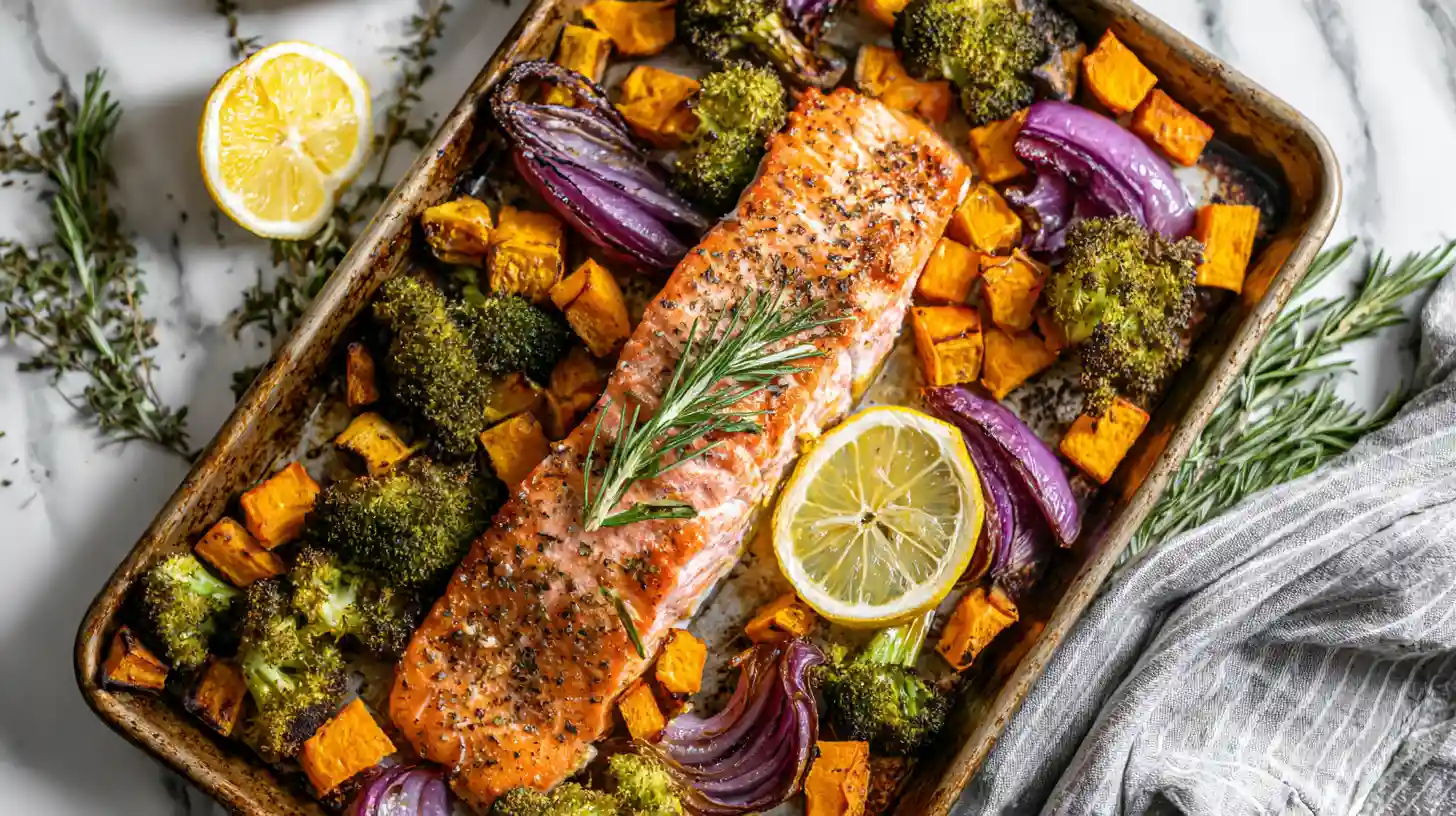
This recipe is a cornerstone of an anti-inflammatory diet, combining lean protein and Omega-3s with high-fiber, antioxidant-rich vegetables. It’s a complete meal prepped on a single pan for maximum efficiency.
- Prep Time: 15 minutes
- Cook Time: 20 minutes
- Yields: 4 servings
Ingredients:
- 4 (4-6oz) wild-caught salmon fillets
- 1 lb sweet potatoes, cubed
- 1 lb broccoli florets
- 1 red onion, roughly chopped
- 2 Tbsp Extra Virgin Olive Oil (EVOO)
- 1 Tbsp turmeric powder
- 1 tsp smoked paprika
- 1 tsp dried oregano
- Sea salt and black pepper
- Juice of 1 lemon
Instructions:
- Preheat oven to 400°F (200°C). Line a large sheet pan with parchment paper.
- In a large bowl, toss the sweet potatoes and red onion with 1 tablespoon of EVOO, 1/2 tablespoon of turmeric, paprika, oregano, salt, and pepper. Spread them evenly on the sheet pan.
- Roast for 10 minutes.
- While roasting, toss the broccoli florets with the remaining 1 tablespoon of EVOO, 1/2 tablespoon of turmeric, salt, and pepper.
- Remove the pan, add the broccoli, and create space for the salmon fillets. Place the salmon on the pan and season with salt, pepper, and a squeeze of lemon juice.
- Return to the oven and roast for another 10-12 minutes, or until the salmon is cooked through and the vegetables are tender.
Meal Prep Tip: Serve over a bed of quinoa (Recipe #3) or with a side of pre-made Kale & Chickpea Salad (Recipe #5).
2. Vibrant Ginger-Berry Overnight Oats (Breakfast/Snack)
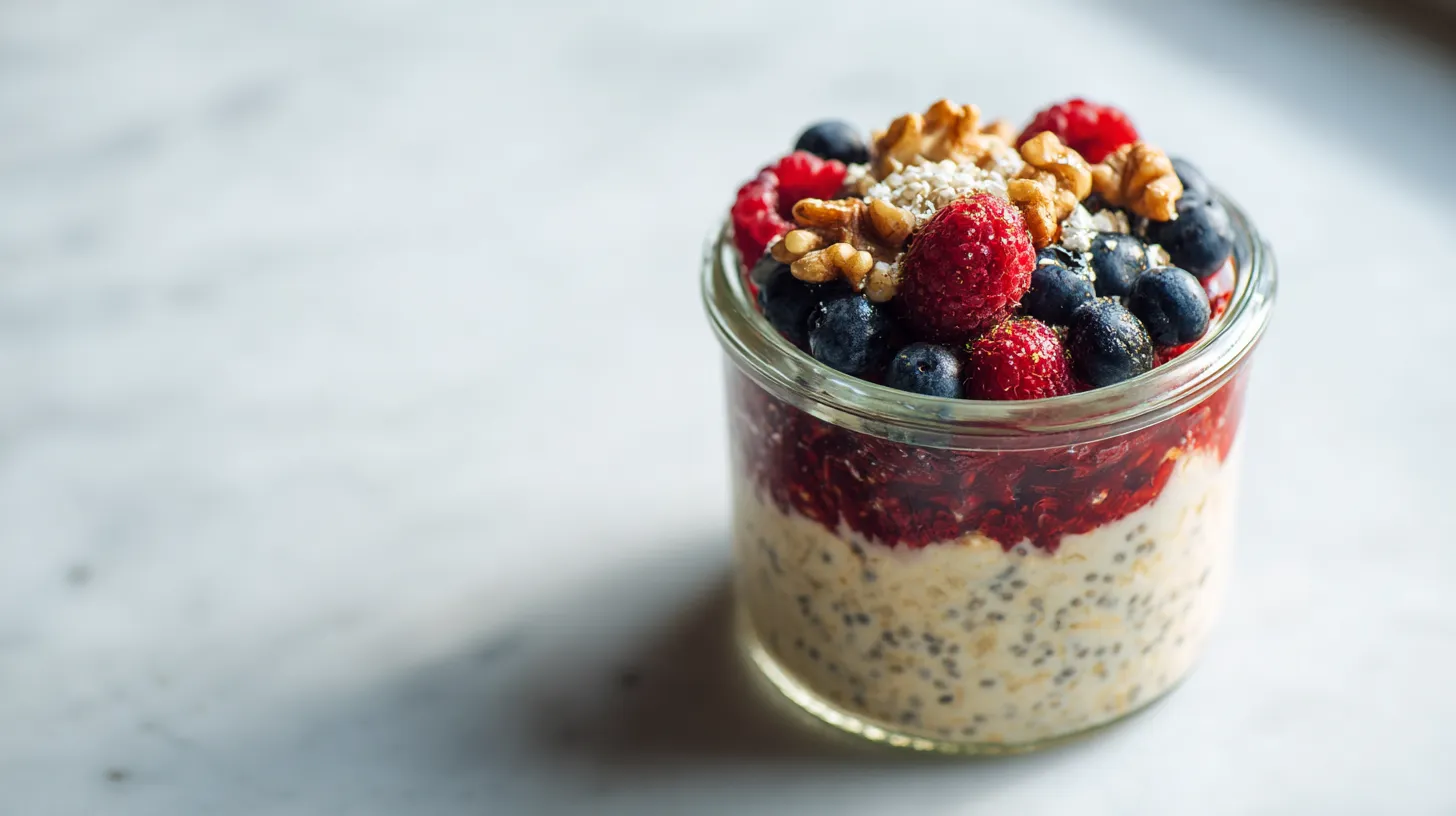
A gut-friendly, fiber-rich start to the day. Oats and chia seeds provide fiber and Omega-3s, while ginger and berries deliver potent antioxidants.
- Prep Time: 5 minutes
- Yields: 4 servings
Ingredients:
- 2 cups rolled oats (not instant)
- 2 cups unsweetened almond milk (or milk of choice)
- 4 Tbsp chia seeds
- 2 Tbsp fresh grated ginger
- 1 tsp cinnamon
- 1/4 cup chopped walnuts or almonds
- 1 cup mixed berries (fresh or frozen)
Instructions:
- In four individual jars or a large container, combine the oats, milk, chia seeds, grated ginger, and cinnamon. Stir well.
- Layer the berry mix on top of the oat mixture.
- Seal the containers and refrigerate overnight (at least 8 hours).
- In the morning, top with a sprinkle of nuts for crunch.
Internal Link Idea: For more healthy breakfast options, check out our post on “Quick and Healthy Breakfast Bowls“.
3. Quinoa and Black Bean Power Base (Side/Base)

Quinoa, a complete protein, combined with fiber-rich black beans forms a versatile, gluten-free, anti-inflammatory base for salads, bowls, or taco fillings.
- Prep Time: 5 minutes
- Cook Time: 20 minutes
- Yields: 6 servings
Ingredients:
- 1 cup quinoa, rinsed
- 2 cups low-sodium vegetable broth (or water)
- 1 (15 oz) can black beans, rinsed and drained
- 1/2 cup finely chopped red bell pepper (high in Vitamin C)
- 2 Tbsp lime juice
- 1/4 cup chopped cilantro (optional)
- Salt and pepper to taste
Instructions:
- Combine rinsed quinoa and broth in a saucepan. Bring to a boil, then reduce heat to low, cover, and simmer for 15 minutes, or until all liquid is absorbed. Remove from heat and let stand, covered, for 5 minutes. Fluff with a fork.
- Once cooled, gently fold in the rinsed black beans, bell pepper, lime juice, cilantro, salt, and pepper.
Meal Prep Tip: Use this base for the Salmon Sheet Pan (Recipe #1) or as the foundation for a quick lunch bowl with avocado slices.
4. Turmeric-Ginger “Golden Milk” Concentrate (Drink/Immunity Shot)
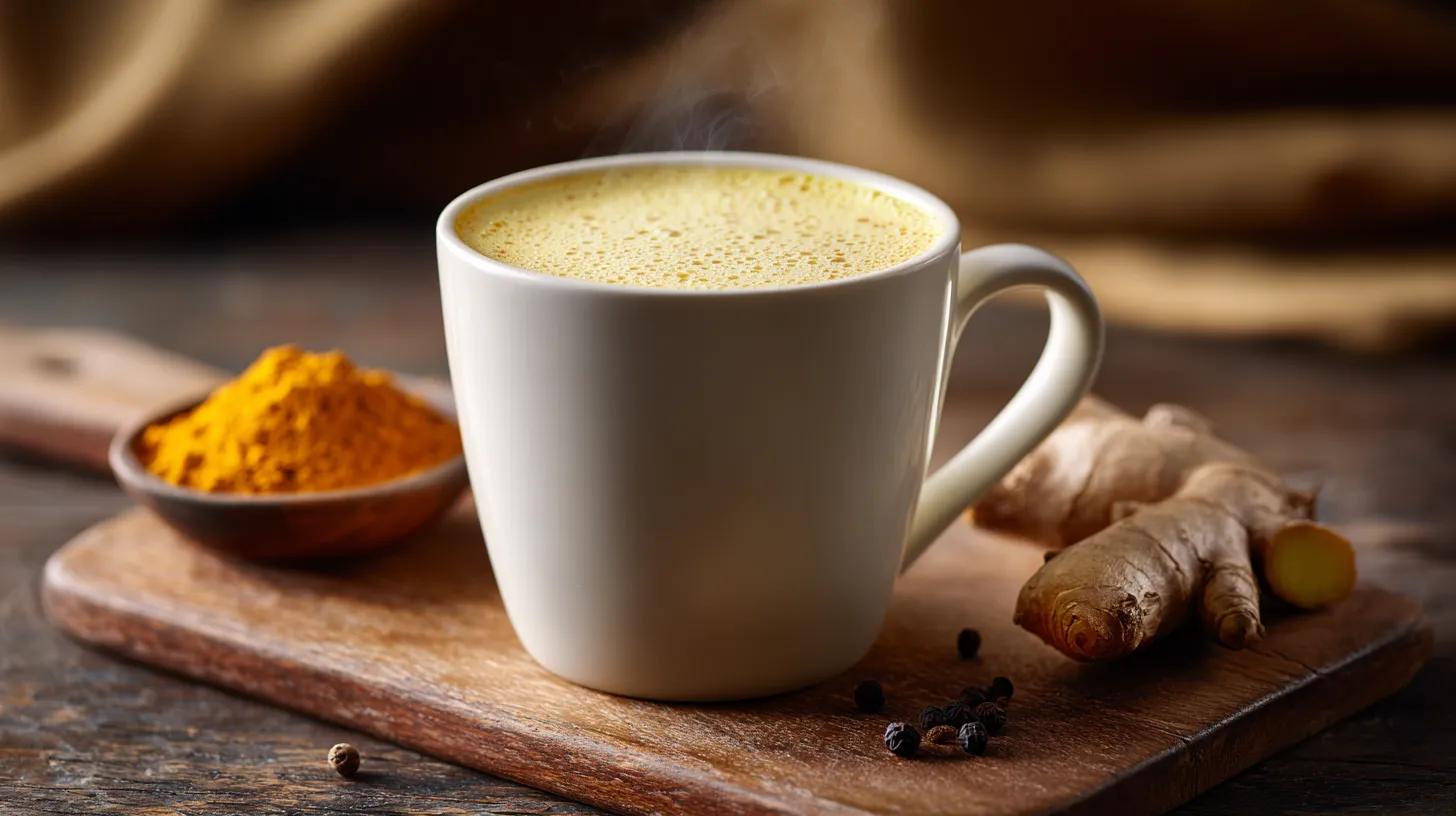
A potent, warm, anti-inflammatory elixir featuring two of the most powerful spices. Make a large batch of the paste and simply whisk with warm milk when needed.
- Prep Time: 5 minutes
- Cook Time: 10 minutes
- Yields: 8 servings of concentrate
Ingredients:
- 1/2 cup turmeric powder
- 1/4 cup ginger powder (or 1/2 cup fresh grated ginger)
- 1 tsp black pepper (essential for curcumin absorption)
- 1/4 cup water
- 2 Tbsp maple syrup or honey (optional, for sweetness)
Instructions:
- In a small saucepan, combine the turmeric, ginger, black pepper, and water.
- Heat over medium-low, stirring constantly, for about 5-7 minutes until a thick paste forms. Add the sweetener if desired and mix well.
- Store the paste in an airtight jar in the refrigerator for up to 2 weeks.
- To Serve: Whisk 1-2 teaspoons of the paste into 1 cup of warm unsweetened milk (dairy or non-dairy).
5. Lemon-Tahini Kale & Chickpea Salad (Lunch/Side)
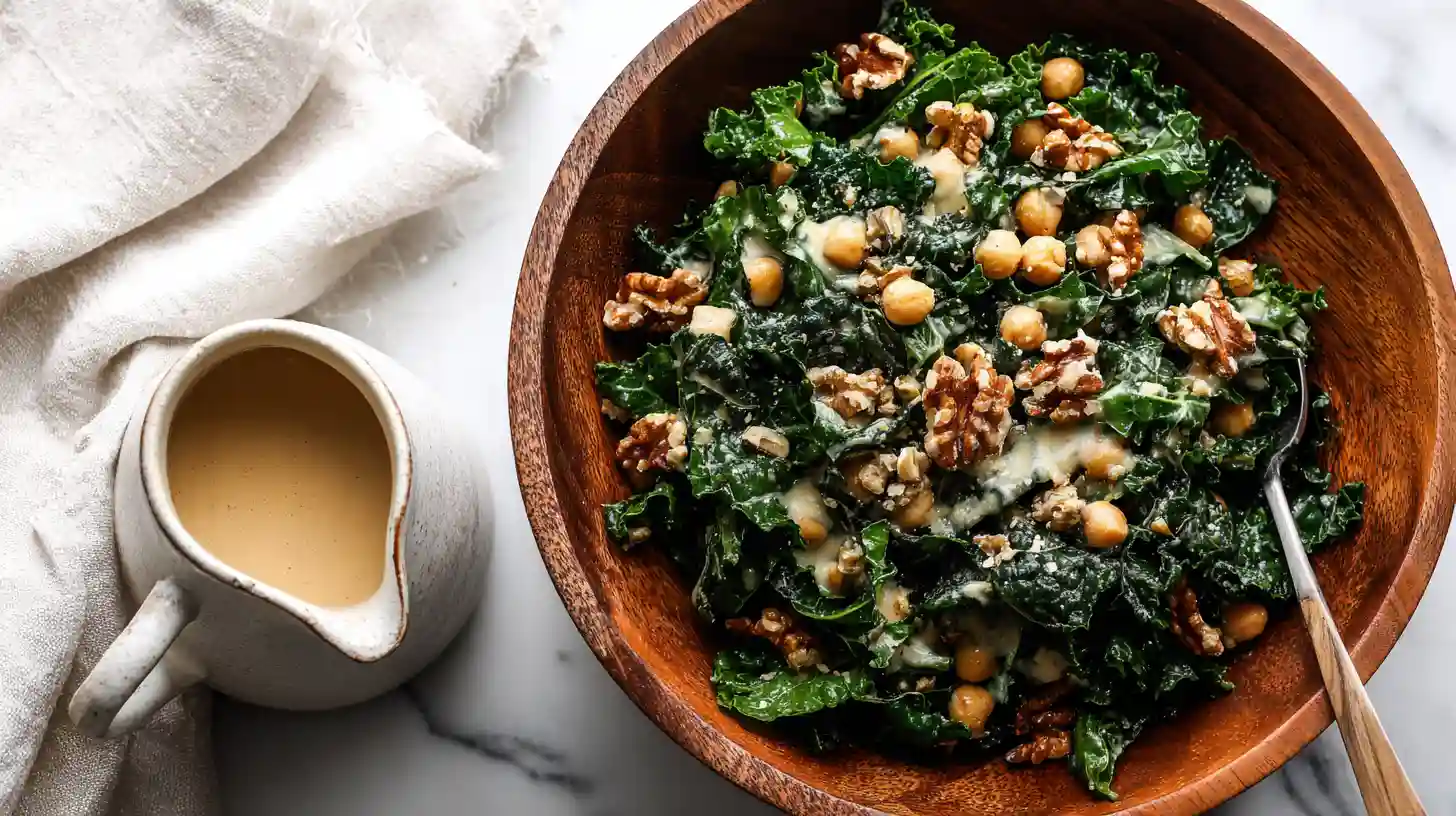
A hearty, fiber-loaded salad that utilizes the gut-supporting benefits of dark leafy greens and legumes, anchored by a healthy fat dressing.
- Prep Time: 15 minutes
- Yields: 4 servings
Ingredients:
- 1 large bunch kale, destemmed and chopped
- 1 (15 oz) can chickpeas, rinsed and drained
- 1/2 cup chopped walnuts
- Dressing:
- 3 Tbsp tahini
- 3 Tbsp fresh lemon juice
- 2 Tbsp EVOO
- 1 tsp Dijon mustard
- 1 clove garlic, minced
- 2-3 Tbsp water (to thin)
- Salt and pepper to taste
Instructions:
- Massage the Kale: Place the chopped kale in a large bowl. Drizzle with a teaspoon of EVOO and a pinch of salt. Use your hands to massage the kale for 2-3 minutes until the leaves soften. This makes it easier to digest.
- In a small bowl, whisk together all dressing ingredients until smooth. Add water until desired consistency is reached.
- Add chickpeas and walnuts to the massaged kale.
- Toss the salad with the dressing.
Meal Prep Tip: Store the dressing separately. Dress the portion you plan to eat that day and save the rest, ensuring the kale stays fresh and crisp throughout the week.
7-Day Anti-Inflammatory Meal Reset Plan
This plan uses the 5 batch-cooked recipes, minimizing daily cooking and maximizing adherence.
| Day | Breakfast | Lunch | Dinner | Snack |
| Day 1 (Prep Day) | Vibrant Ginger-Berry Overnight Oats (Recipe #2) | Leftover Kale & Chickpea Salad (Recipe #5) | Mediterranean Sheet Pan Salmon with Turmeric Roots (Recipe #1) | Handful of walnuts with a pear |
| Day 2 | Overnight Oats (Recipe #2) | Quinoa & Black Bean Power Base (Recipe #3) with leftover Salmon | Lentil soup (External Link: Try this hearty recipe from Mayo Clinic) | Golden Milk (Recipe #4) |
| Day 3 | Overnight Oats (Recipe #2) | Leftover Quinoa & Black Bean Power Base (Recipe #3) over a bed of spinach | Chicken or lentil stir-fry with broccoli and garlic | Sliced apple with almond butter |
| Day 4 | Scrambled eggs with spinach & turmeric | Kale & Chickpea Salad (Recipe #5) | Mediterranean Salmon (Recipe #1) leftovers | Small container of Greek yogurt with berries |
| Day 5 | Overnight Oats (Recipe #2) | Quinoa & Black Bean Wrap (Recipe #3 in a whole-wheat tortilla) | White bean and kale skillet (Internal Link: Check out “One-Pan Dinners” on our site: /post-sitemap.xml) | Golden Milk (Recipe #4) |
| Day 6 | Green smoothie with kale and berries | Tuna salad (mixed with avocado instead of mayo) on whole-grain toast | Grilled chicken breast with roasted Brussels sprouts | Edamame (Source of plant protein) |
| Day 7 | Savory oatmeal topped with EVOO and an egg | Leftovers from Day 6 | Batch-cook for the upcoming week (start over with Recipe #1) | Handful of raw almonds |
Essential Lifestyle Considerations: Beyond the Recipes
Dietary changes are one piece of the puzzle. For a truly anti-inflammatory lifestyle, consider these vital steps:
- Hydration: Drink plenty of water. Water helps the body flush out inflammatory waste products. Swap sugary sodas or juices for water, or try infusing it with anti-inflammatory cucumber and mint.
- Gut Health Focus: A healthy gut microbiome is directly linked to reduced systemic inflammation via the gut-brain axis. Integrate fermented foods like kefir, kimchi, and sauerkraut, or consider our “Gut Health Starters” guide (Internal Link:
/post-sitemap.xml). - Mindful Cooking: As the Johns Hopkins Medicine Anti-Inflammatory Diet Guide suggests, cooking methods matter. Opt for baking, steaming, or gentle stir-frying over high-heat grilling or deep-frying, which can create pro-inflammatory compounds.
- External Trusted Links for Further Reading:
- For a deeper understanding of Omega-3s: Harvard T.H. Chan School of Public Health: Omega-3 Fatty Acids
- For research on Turmeric/Curcumin: National Center for Complementary and Integrative Health (NCCIH): Turmeric
- For general anti-inflammatory diet principles: Arthritis Foundation Anti-Inflammatory Diet
By making these mindful, flavor-packed choices and embracing the efficiency of meal preparation, you are empowering your body to naturally manage inflammation and unlock sustained energy and vitality.