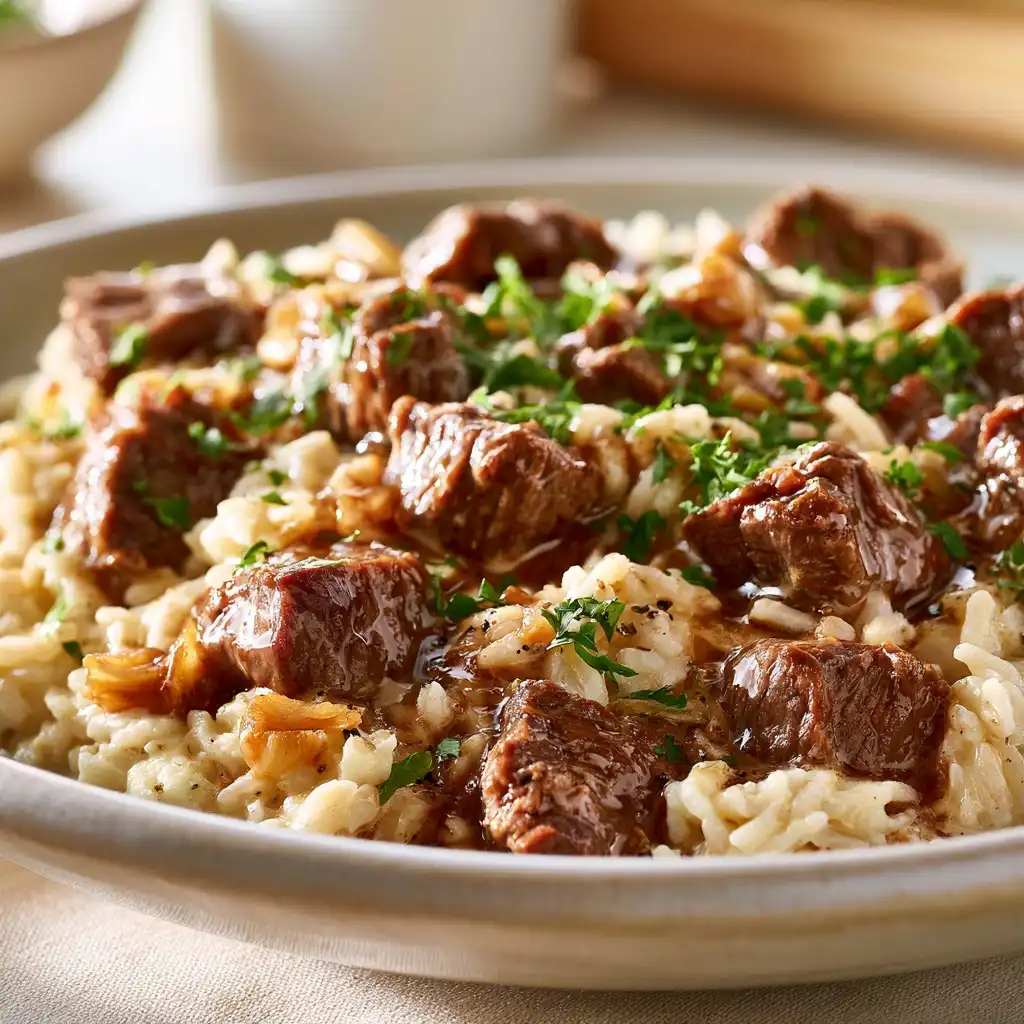
There are lunches that do the job, and then there are lunches you actually look forward to. This chicken pesto protein pasta lands firmly in the second category: bright, savory, herby, and satisfying, with enough protein to make it feel like a real meal instead of a stopgap.
What I like about this one is how it hits two goals at once. It tastes like something you would order at a casual bistro, but it is also practical enough for weekday lunches, meal prep, and quick dinners when you want something that feels fresh instead of overly creamy or heavy.

Why this chicken pesto protein pasta works so well for lunch
A lot of high-protein lunches lean hard into utility. They fill you up, sure, but they can taste repetitive by day three. This one avoids that problem because pesto brings instant personality: basil, garlic, Parmesan, olive oil, and that unmistakable green freshness that makes the whole bowl feel alive.
It also fits what people usually want from a high-protein pasta recipe. The best-performing versions in search tend to be quick, flexible, and built from familiar ingredients, and that is exactly the lane this recipe stays in.
What makes it feel high-protein without feeling heavy
The protein story here starts with chicken breast, which gives you lean, filling bites throughout the bowl. If you use a protein-enriched pasta, you can push the protein higher without needing complicated ingredients or powders.
What keeps the dish from crossing into “too much” territory is the balance. Pesto brings richness, but lemon, spinach, and juicy chicken keep the bowl feeling bright. The result is a lunch that feels substantial, not weighed down.
Official dietary guidance also emphasizes nutrient-dense protein foods as part of a healthy eating pattern, which is one reason a dish built around chicken, pasta, herbs, and vegetables works so well in a realistic weekly rotation.
The ingredients that matter most for flavor and texture
This recipe is simple, so each ingredient has a job to do.
Core ingredients
- 12 ounces high-protein pasta, rotini or penne
- 1 pound boneless skinless chicken breast
- 1 tablespoon olive oil
- 1 teaspoon kosher salt, divided
- 1/2 teaspoon black pepper
- 1 teaspoon Italian seasoning
- 2 cups baby spinach
- 1/3 cup basil pesto
- 1/4 cup finely grated Parmesan cheese
- 1/3 cup reserved pasta water, plus more as needed
- 1 tablespoon lemon juice
- 1/2 cup halved cherry tomatoes
- 1/4 cup chopped sun-dried tomatoes
- 2 tablespoons toasted pine nuts, optional
- Fresh basil, for finishing
Why these ingredients work
The high-protein pasta gives the bowl a stronger nutritional profile and usually a slightly firmer bite, which holds up well for lunch leftovers. The chicken breast keeps things lean and straightforward, while pesto does the heavy lifting for flavor.
The lemon juice is the quiet hero. It cuts through the richness of the pesto and Parmesan so the pasta tastes fresh instead of muddy. The spinach and tomatoes also help the dish read as lighter and more colorful, which matters for both eating and Pinterest appeal.
The best pasta shapes for holding pesto and chicken
Pesto loves texture. Smooth noodles can work, but shaped pasta usually works better because it traps sauce in the ridges and curves. My first picks are rotini, penne, and fusilli.
Rotini is probably the best all-around option here. The twists catch pesto beautifully, and the bite-sized shape matches well with chopped chicken. Penne gives a cleaner look and reheats nicely, while fusilli feels slightly more restaurant-style on the plate.
If you already love pasta-based meal prep lunches, you might also like the broader format of Ditalini Pasta Recipe, which shows how smaller pasta shapes can create a different but equally satisfying texture experience.
How to make juicy chicken and glossy pesto pasta
This is where the recipe goes from fine to excellent. Pesto pasta is easy, but great pesto pasta depends on timing.
Step 1: Cook the pasta
Bring a large pot of salted water to a boil. Cook the pasta until just al dente according to package directions. Before draining, reserve at least 1 cup of pasta water.
Do not skip the reserved water. That starchy liquid is what turns pesto from a thick paste into a silky sauce that coats every piece of pasta.
Step 2: Cook the chicken
While the pasta cooks, pat the chicken dry and cut it into bite-size pieces. Season with 1/2 teaspoon salt, black pepper, and Italian seasoning.
Heat the olive oil in a large skillet over medium-high heat. Add the chicken in a single layer and cook for 3 to 4 minutes per side, or until lightly golden and cooked through.
Poultry should reach 165°F at the thickest part for food safety, so this is the moment where an instant-read thermometer really earns its spot in the kitchen drawer.
Step 3: Build the sauce
Lower the heat to medium-low. Add the drained pasta to the skillet with the chicken. Stir in the pesto, Parmesan, lemon juice, and 1/3 cup reserved pasta water.
Toss until the sauce loosens and turns glossy. Add more pasta water a splash at a time if needed. You want the pasta coated, not clumped.
Step 4: Finish with fresh ingredients
Fold in the spinach, cherry tomatoes, and sun-dried tomatoes. Toss just until the spinach softens slightly and the tomatoes warm through.
Finish with fresh basil and toasted pine nuts if using. Taste and adjust salt, pepper, or lemon juice right at the end.
The biggest mistakes that make pesto pasta dry or dull
This dish is easy to make, but it has a few traps.
Adding pesto over screaming-hot heat
High heat can dull fresh basil flavor and make the sauce look oily instead of vibrant. Once the chicken is cooked, keep the sauce-building stage at low to medium-low heat.
Forgetting pasta water
Without pasta water, pesto often sits on the noodles instead of clinging to them. That is the difference between “mixed together” and “properly sauced.”
Overcooking the chicken
Chicken breast goes from juicy to chalky quickly. Cut it evenly, cook it just through, and pull it as soon as it is done. Again, 165°F is the safe target.
Using too much pesto
More pesto does not always mean more flavor. It can make the dish heavy and oily. Start with a moderate amount, then brighten with lemon and Parmesan instead of just piling on more sauce.
Easy ingredient swaps for different goals and budgets
This is one of those recipes that is easy to steer in different directions.
For more protein
- Use chickpea or lentil pasta
- Add extra chicken
- Stir in a spoonful of cottage cheese to the sauce for a creamier finish
That last move pairs well with the vibe of High-Protein Cottage Cheese Pasta, especially if you like protein-focused meals that still taste comfort-food friendly.
For more vegetables
- Add steamed broccoli
- Toss in peas
- Use arugula instead of spinach for a peppery edge
- Add zucchini ribbons right at the end
For a cheaper version
- Use leftover rotisserie chicken
- Skip pine nuts
- Use jarred pesto
- Stretch the bowl with extra spinach and tomatoes
How to meal prep it without ruining the texture
Chicken pesto protein pasta is a very solid meal-prep lunch, but it needs a little strategy. The biggest issue is that pesto pasta can tighten up in the fridge.
To avoid that, slightly under-sauce the pasta on day one, then pack a tiny extra spoonful of pesto or a splash of olive oil and lemon juice for tossing after reheating. You can also save a tablespoon or two of pasta water in a separate container and stir it in when warming the pasta.
For lunch-prep readers, this recipe sits in the same practical lane as Your Ultimate Guide to Greek Chicken Meal Prep Bowls: satisfying, protein-forward, and easy to portion for the week.
What to serve with it if you want a fuller lunch
This recipe can absolutely stand alone, but there are a few smart pairings.
- A crisp cucumber salad with red onion and lemon
- Roasted broccoli or asparagus
- A small cup of fruit on the side
- Sparkling water with lemon for a clean, bright pairing
I usually avoid serving it with something overly rich because the pesto already brings enough character. Keep the sides cool, crunchy, or fresh.
Flavor variations to keep it interesting all week
One bowl, several personalities.
Lemony version
Add extra lemon zest and a little more juice. This makes the whole dish feel especially fresh and lunch-friendly.
Spicy version
Add red pepper flakes or chopped Calabrian-style peppers. The heat plays nicely with the herbal pesto.
Creamier version
Stir in 2 tablespoons plain Greek yogurt off the heat. It softens the pesto intensity without making the bowl overly heavy.
Mediterranean version
Add chopped artichokes, more sun-dried tomatoes, and a few olives. Suddenly it feels like a deli counter pasta salad in the best possible way.
Storage, reheating, and make-ahead notes
Store leftovers in an airtight container in the refrigerator for up to 4 days. For the best texture, reheat gently in the microwave at partial power or in a skillet with a splash of water.
This is not my favorite freezer pasta because basil pesto can lose some freshness after thawing. It is better made for the next few lunches rather than the distant future.
If you want a similar protein-minded idea for another part of the day, Protein Muffins make a smart snack or breakfast companion for meal-prep weeks.
Chicken pesto protein pasta recipe card
Yield
4 servings
Prep time
15 minutes
Cook time
20 minutes
Total time
35 minutes
Ingredients
- 12 ounces high-protein rotini or penne
- 1 pound boneless skinless chicken breast, cut into bite-size pieces
- 1 tablespoon olive oil
- 1 teaspoon kosher salt, divided
- 1/2 teaspoon black pepper
- 1 teaspoon Italian seasoning
- 1/3 cup basil pesto
- 1/4 cup finely grated Parmesan cheese
- 1 tablespoon lemon juice
- 1/3 to 1/2 cup reserved pasta water
- 2 cups baby spinach
- 1/2 cup cherry tomatoes, halved
- 1/4 cup chopped sun-dried tomatoes
- 2 tablespoons toasted pine nuts, optional
- Fresh basil for garnish
Instructions
- Bring a large pot of salted water to a boil. Cook the pasta until al dente. Reserve 1 cup pasta water, then drain.
- Season the chicken with 1/2 teaspoon salt, pepper, and Italian seasoning.
- Heat olive oil in a large skillet over medium-high heat. Add chicken and cook until golden and cooked through, about 6 to 8 minutes total.
- Reduce heat to low. Add the drained pasta to the skillet with the chicken.
- Stir in the pesto, Parmesan, lemon juice, and 1/3 cup reserved pasta water. Toss until glossy and evenly coated.
- Fold in spinach, cherry tomatoes, and sun-dried tomatoes. Toss until the spinach begins to wilt.
- Add more pasta water if needed to loosen the sauce.
- Taste and adjust with the remaining salt, extra lemon juice, or more Parmesan.
- Finish with basil and pine nuts, then serve warm or pack for lunches.
Estimated nutrition per serving
- Calories: 520
- Protein: 39g
- Carbohydrates: 42g
- Fat: 20g
- Fiber: 5g
- Sugar: 4g
Frequently asked questions
Can I use rotisserie chicken?
Yes. That is one of the easiest ways to turn this into a very fast lunch recipe. Just warm the shredded chicken gently in the skillet before adding the pasta and sauce.
What is the best pesto for this recipe?
A refrigerated basil pesto usually gives the freshest flavor, but a good jarred pesto works well too. If your pesto tastes very rich or salty, balance it with a little extra lemon juice.
Can I eat this cold like a pasta salad?
Yes, though the texture changes slightly. If serving cold, toss it with a little extra lemon juice and a small spoonful of pesto before chilling so it stays lively.
Can I make it gluten-free?
Yes. Use your favorite gluten-free pasta and watch the cooking time closely. Some gluten-free pastas get softer more quickly, so aim for a firm al dente finish.
How do I increase the protein even more?
Use protein pasta, add a little more chicken, or stir in a creamy high-protein ingredient like cottage cheese or Greek yogurt off the heat. That keeps the sauce smooth while boosting the staying power of the meal.