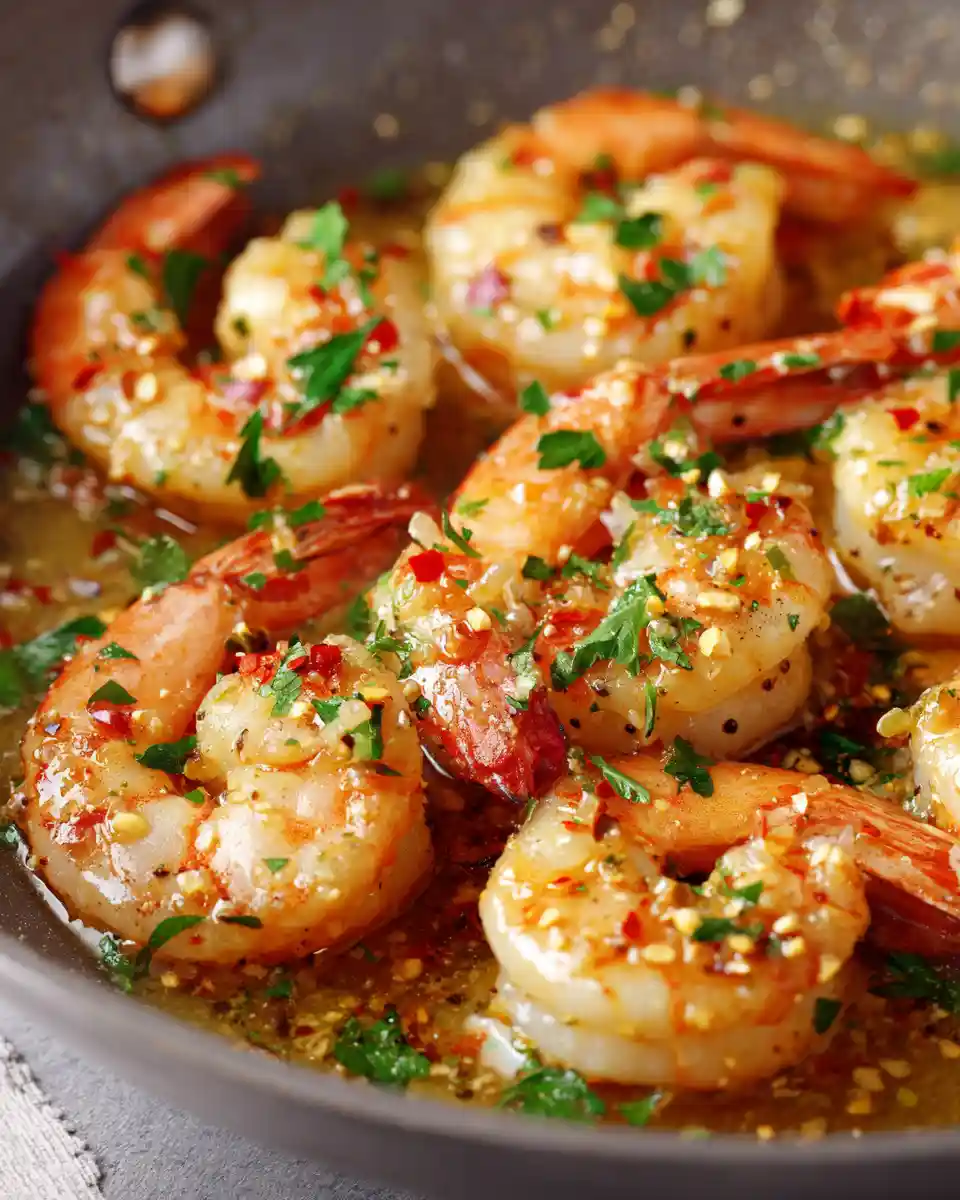
There is a specific sound in a professional kitchen that signals a dish is going to be spectacular: the high-pitched, energetic sizzle of cold protein hitting a blistering hot pan. When that protein is succulent, jumbo shrimp meeting a pool of golden butter and minced garlic, the resulting aroma is enough to stop anyone in their tracks.
As a chef, I’ve realized that the simplest dishes are often the hardest to master because there is nowhere for flaws to hide. A shrimp skillet should be three things: snappy (never rubbery), intensely aromatic, and coated in a velvety sauce that begs for a piece of crusty bread.
This recipe isn’t just about throwing ingredients in a pan; it’s about the technique of heat management and the timing of aromatics. Whether you are looking for a fast post-gym meal or a crowd-pleasing family dinner, this butter garlic shrimp skillet delivers restaurant-quality results in under 15 minutes.
The Secret to the Perfect Shrimp Skillet
Most home cooks make the mistake of “steaming” their shrimp rather than searing them. When you crowd the pan or use shrimp that are still damp, you lose that beautiful golden crust. We’re going to focus on a dry-brining technique and high-heat finishing to ensure every bite is perfection.
If you enjoy fast, high-protein meals, you might also want to check out my Shrimp quinoa power bowl for a meal-prep friendly alternative, or my Garlic butter shrimp quick healthy dinner for a slightly different flavor profile.
🛒 Ingredients You’ll Need
To achieve the best flavor, I recommend using U.S. Customary Units and fresh ingredients whenever possible.
- 1 lb Jumbo Shrimp: Peeled and deveined (Tail-on for presentation, or tail-off for ease of eating).
- 4 tbsp Unsalted Butter: High-quality European-style butter has less water and yields a creamier sauce.1
- 2 tbsp Extra Virgin Olive Oil: To raise the smoke point of the butter.
- 6 cloves Fresh Garlic: Minced finely (Avoid the pre-jarred stuff—it tastes metallic).
- 1/2 tsp Red Pepper Flakes: For a subtle, back-of-the-throat warmth.
- 1 tsp Smoked Paprika: For color and a hint of earthiness.
- 1/2 cup Low-Sodium Chicken Broth: To deglaze the pan and build the sauce.
- 1 Fresh Lemon: You’ll use both the zest and the juice.
- 1/4 cup Fresh Italian Parsley: Finely chopped for a burst of brightness.
- Kosher Salt and Fresh Cracked Black Pepper: To taste.
👨🍳 Step-by-Step Instructions
1. Prep and Dry the Shrimp
Pat the shrimp completely dry using paper towels. This is the most important step for a good sear. Place them in a bowl and toss with the smoked paprika, a pinch of kosher salt, and cracked black pepper. Let them sit for 5 minutes.
2. The Initial Sear
Heat a large heavy-bottomed skillet (cast iron is best) over medium-high heat. Add the olive oil and 1 tablespoon of the butter. Once the butter is foaming, add the shrimp in a single layer. Do not overcrowd the pan; cook in two batches if necessary.
3. 60-Second Rule
Sear the shrimp for exactly 60 to 90 seconds per side. You are looking for an opaque pink color and a slight golden edge. Remove the shrimp from the pan and set them aside on a plate. They will not be 100% cooked through yet—this prevents them from turning into rubber balls later.
4. Build the Garlic Base
Lower the heat to medium. Add the remaining 3 tablespoons of butter. Once melted, toss in the minced garlic and red pepper flakes. Sauté for about 30-45 seconds until the garlic is fragrant and light golden. Do not burn the garlic, or the sauce will turn bitter.
5. Deglaze and Emulsify
Pour in the chicken broth and lemon juice. Increase the heat slightly and let the liquid simmer and reduce by half. This concentrates the flavor. Stir in the lemon zest.
6. The Grand Finale
Add the shrimp (and any juices from the plate) back into the skillet. Toss constantly for 1-2 minutes until the sauce thickens slightly and coats the shrimp. Remove from heat immediately.
7. Garnish
Fold in the fresh parsley. The residual heat will wilt the herbs and release their oils. Serve immediately while the sauce is glossy.
💡 Top 3 Pro Tips for Success
- The Temperature Jump: Start with high heat for the sear to lock in juices, but drop the heat before adding the garlic. Garlic has a high sugar content and burns quickly, which can ruin the delicate butter sauce.
- Cold Butter Finish: If you want a truly “restaurant-style” glossy sauce, whisk in one extra tablespoon of cold butter at the very end after you’ve turned off the stove. This technique, called monter au beurre, creates a thick, luxurious emulsion.
- Don’t Toss the Shells: If you buy “easy-peel” shrimp, save the shells in a freezer bag. They make an incredible base for a quick seafood stock or to flavor the oil in future dishes like my Steak creamy garlic shrimp.
⚠️ Common Mistakes to Avoid
- Using Frozen Shrimp Directly: If you use frozen shrimp, ensure they are fully thawed and then dried. Excess water will cause the shrimp to boil in the pan rather than sear.
- Walking Away: This dish moves fast. Have all your ingredients prepped (mise en place) before you turn on the stove.
- Overcooking: Shrimp are done the moment they form a “C” shape. If they curl into a tight “O,” they are overcooked and will be tough.
🥗 What to Serve With This Skillet
This dish is incredibly versatile. Here are my top chef-approved pairings:
| Side Dish Type | Recommendation | Why it Works |
| Grains | Jasmine Rice or Quinoa | Absorbs the garlic butter sauce perfectly. |
| Pasta | Linguine or Angel Hair | Creates a classic “Scampi” feel. |
| Low-Carb | Zucchini Noodles (Zoodles) | Keeps the meal light and vibrant. |
| Vegetable | Roasted Asparagus | The earthiness balances the rich butter. |
If you’re looking for other high-protein dinner ideas, I highly recommend my 25 minute ground turkey taco skillet or the One pan boneless skinless chicken thighs.
❓ Frequently Asked Questions
Can I use cooked frozen shrimp?
I don’t recommend it. Pre-cooked shrimp often become very rubbery when reheated in a skillet. Always start with raw shrimp for the best texture.
Is it okay to leave the tails on?
Absolutely. In a professional kitchen, we often leave them on because the shell adds flavor to the sauce during the sear, and it makes the shrimp look larger and more “gourmet.”
What if my sauce is too thin?
Let the broth reduce for an extra minute before adding the shrimp back in. You can also add a splash more of the broth mixed with 1/2 tsp of cornstarch for an instant thickener.
Can I make this dairy-free?
Yes, you can substitute the butter with a high-quality vegan butter or simply use more olive oil, though you will lose that specific creamy “mouthfeel” that butter provides.
How do I reheat leftovers?
Shrimp is notorious for getting tough when reheated. The best way is to place them in a pan over very low heat with a splash of water or broth and cover with a lid until just warm. Avoid the microwave if possible.
🔗 More Quick & Delicious Recipes
If you enjoyed the speed and flavor of this skillet, explore these other favorites from the Good Taste Recipes collection: