We’ve all been there: the “sad desk salad” or the uninspired sandwich that feels more like a chore than a midday break. As a nutritionist, I see how often lunch becomes an afterthought, leading to an afternoon energy crash and mindless snacking. But your lunch box doesn’t have to be a repeat of your childhood cafeteria days.
The secret to adult lunch box ideas that actually satisfy is a balance of high-quality proteins, complex carbohydrates, and “crave-able” textures. By focusing on nutrient-dense ingredients and smart meal-prep strategies, we can transform your 12:00 PM slump into a high-performance fuel stop.
Why This Strategy Works
For a lunch to be truly effective for a busy professional, it must meet three criteria: satiety (keeping you full), stability (maintaining blood sugar), and sensory appeal (smell, taste, and texture). When we combine a lean protein with a fiber-rich vegetable and a healthy fat, we create a metabolic “slow burn” that keeps your brain sharp until dinner.
The Anatomy of a Non-Boring Adult Lunch
To build the perfect lunch, I recommend using a formula rather than a rigid recipe. This allows for seasonal variety and prevents “palate fatigue.”
| Component | Why It’s Essential | Examples |
| The Anchor (Protein) | Repairs tissue and keeps you full. | Greek yogurt, chicken breast, chickpeas, or salmon. |
| The Fuel (Fiber/Carbs) | Provides steady brain energy. | Quinoa, sweet potatoes, or sprouted grain wraps. |
| The Crunch (Vegetables) | Adds volume and micronutrients. | Bell peppers, cucumbers, or shaved purple carrots. |
| The Magic (Healthy Fats) | Absorbs vitamins and adds flavor. | Avocado, tahini, pumpkin seeds, or olive oil. |
Ingredients for Success
Before you start assembly, ensure your pantry is stocked with these essentials for healthy lunches for work:
- Proteins: 1 lb. Juicy Honey Garlic Chicken Breasts, 2 cans of chickpeas, or 4 hard-boiled eggs.
- Grains/Bases: 2 cups cooked quinoa, 1 pack of Viral High‑Protein Cottage Cheese Wrap, or 2 cups brown rice.
- Produce: 1 bunch of kale, 2 cups cherry tomatoes, 1 cucumber, and a bag of shredded carrots.
- Dressings: Extra virgin olive oil, balsamic vinegar, Dijon mustard, and fresh lemons.
- Add-ins: Feta cheese, sunflower seeds, or Spooky Veggie Cups with Ranch Slime Dip (minus the “spooky” decor for everyday use).
Step-by-Step: Assembling the Ultimate “Power Box”
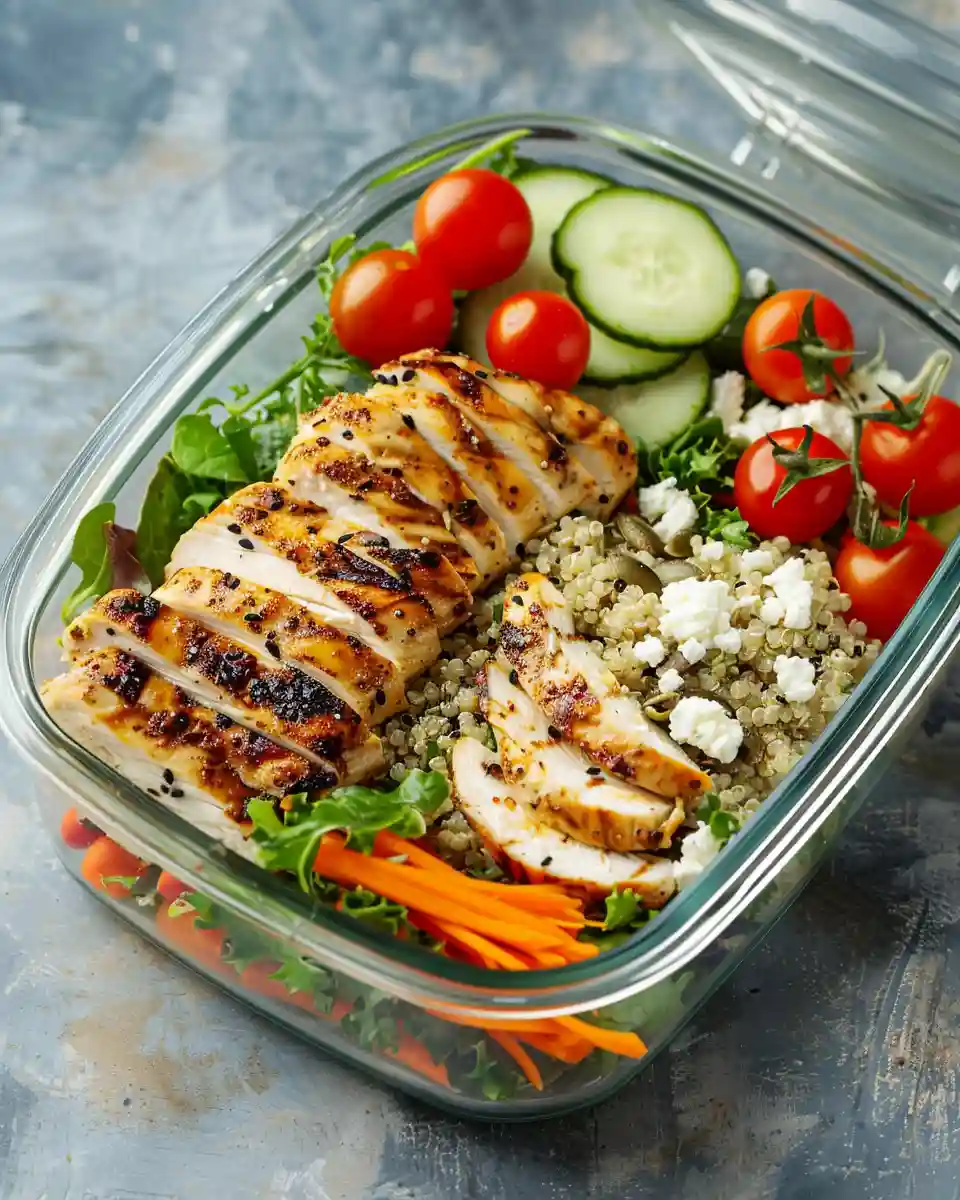
- Prep Your Base: Start with a bed of greens or a portion of grains. If using kale, massage it with a little olive oil first to soften the leaves—this makes a huge difference in texture.
- Add Your Anchor: Place 4–5 ounces of your chosen protein on top. For a quick high-protein fix, I often use leftover Melt-in-Your-Mouth Golden Parmesan Chicken.
- Layer the Textures: Add your “crunch” factors. I suggest keeping wet ingredients (like sliced tomatoes) separate or on top of the protein so they don’t make your base soggy.
- The Dressing Rule: Never dress your salad more than 30 minutes before eating unless it’s a hearty grain salad. Keep a small 1-ounce container for your vinaigrette inside the box.
- The “Bonus” Snack: Always include a small side that feels like a treat but remains functional. A few High-Protein Chocolate Chia Seed Pudding bites can satisfy a midday sweet tooth without a sugar spike.
Ingredient Deep Dive: The Power of Cottage Cheese
You may have noticed the recent “viral” status of cottage cheese. As a nutritionist, I fully endorse this trend. It is an incredible source of casein protein, which is slow-digesting and exceptionally satiating.
Using a Soft and Savory Cottage Cheese Flatbread Recipe as your bread substitute for wraps or sandwiches can nearly double the protein content of your lunch without adding significant calories.
5 Creative Variations for Busy Adults
- The Mediterranean Power Bowl: Combine The Ultimate Mediterranean Chickpea Salad with extra grilled chicken and a dollop of hummus.
- The “Better-Than-Takeout” Box: Use leftover Beef and Broccoli Recipe (One Pan!) served over cold sesame noodles.
- The Bistro Box: Hard-boiled eggs, sharp cheddar cheese slices, apple wedges, and a few handfuls of almonds.
- The Zesty Grain Salad: Quinoa mixed with black beans, corn, lime juice, and Cajun Chicken with Sweet Peppers.
- The High-Protein Wrap: Utilize a Cottage Cheese Wrap filled with turkey breast, spinach, and a thin layer of Greek yogurt ranch.
Storage & Meal Prep Secrets
- Invest in Glass: Plastic containers can retain odors and stain. High-quality borosilicate glass containers with locking lids are the gold standard for adult lunch box ideas.
- The Layering Hack: If you are making a “jar salad,” put the dressing at the very bottom, followed by hard veggies (carrots/chickpeas), then the protein, and finally the leafy greens at the top.
- Batch Cooking: Dedicate 60 minutes on Sunday to roasting a large tray of vegetables and a large batch of protein. This reduces daily “decision fatigue.”
Common Mistakes to Avoid
- The “All-Carb” Trap: Avoid lunches that are just pasta or bread. Without protein, you will be hungry again in 90 minutes.
- Over-Salting: Prepared lunch meats can be high in sodium, leading to afternoon bloating. Aim for fresh-cooked proteins when possible.
- Ignoring Hydration: Sometimes “hunger” at 3:00 PM is actually dehydration. Pair your lunch with a Hydrating Coconut Water Chia Fresca.
FAQ: Your Lunch Box Questions Answered
How long can I keep a prepped lunch in the fridge?
Most cooked proteins and vegetables are safe and delicious for 3–4 days. Seafood is best consumed within 2 days.
How can I keep my avocado from turning brown?
Keep the pit in the container or squeeze fresh lime juice over the slices. Better yet, bring a whole avocado and slice it right before eating.
What is the best way to reheat chicken so it isn’t dry?
Add a teaspoon of water or a damp paper towel over the container before microwaving. This creates steam and restores moisture.
Are cold lunches as healthy as hot ones?
Absolutely. From a micronutrient perspective, there is very little difference. The key is the ingredient quality, not the temperature.
How do I stop my crackers/bread from getting soggy?
Always store dry goods in a separate small silicone bag or a compartment that is completely sealed away from moisture.