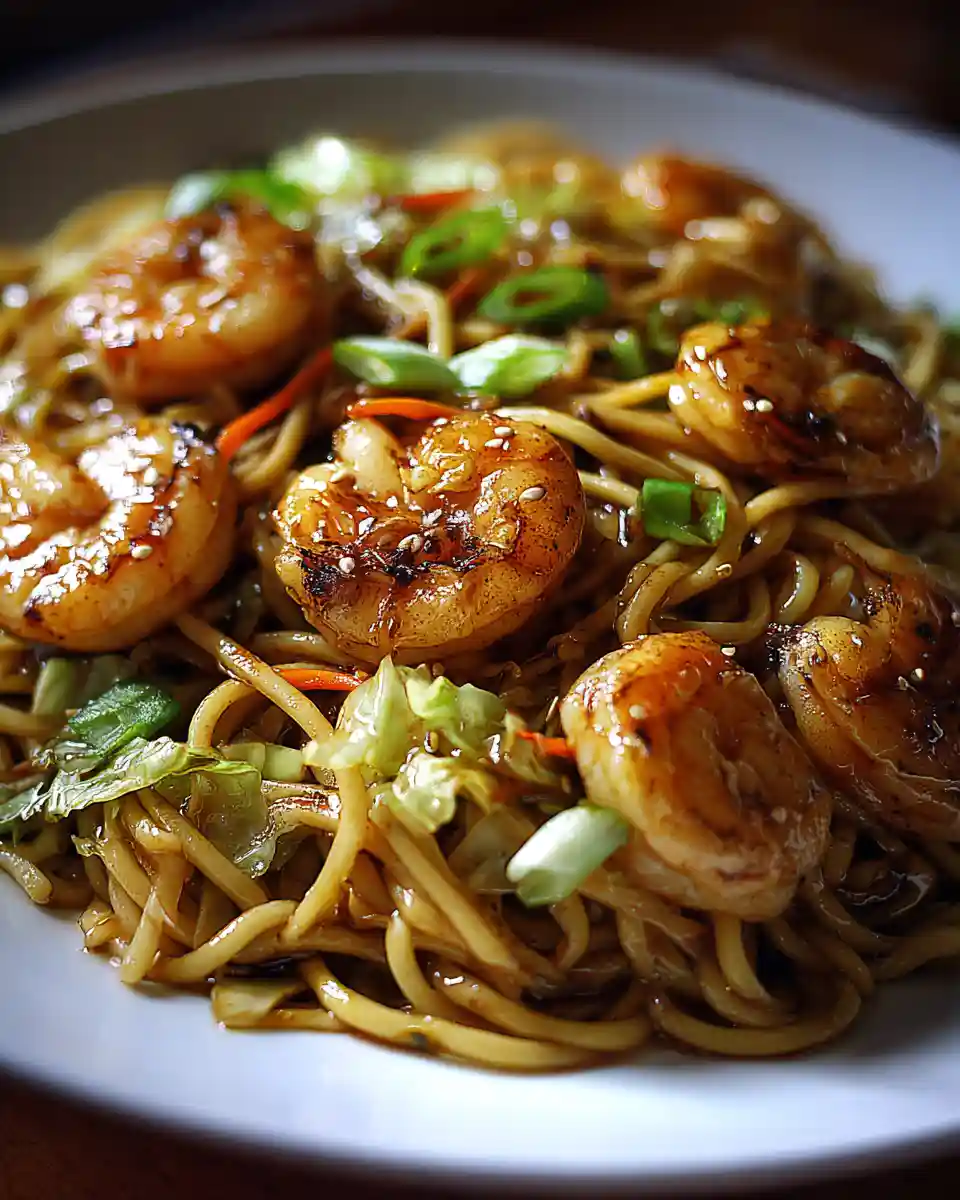
There is a specific, intoxicating aroma that hits you the moment a takeout container of shrimp lo mein is opened—a blend of toasted sesame, savory soy, and the sweet scent of succulent shrimp. For many home cooks, replicating that specific “wok-kissed” flavor feels like a professional secret. But I’m here to tell you that you don’t need a high-BTU commercial burner to achieve restaurant-quality results.
The secret to a world-class easy shrimp dinner isn’t just the sauce; it’s the technique of the stir-fry. As a chef, I’ve found that the biggest mistake home cooks make is overcrowding the pan, which steams the food rather than searing it. Today, we’re going to master the art of the 20-minute shrimp noodles feast that is faster, fresher, and significantly more flavorful than anything that comes in a cardboard box.
The Origins of a Classic: Lo Mein vs. Chow Mein
Before we fire up the stove, it is helpful to understand what makes shrimp lo mein unique. The term “lo mein” comes from the Cantonese “lo mian,” which translates to “stirred noodles.”1 Unlike its cousin, Chow Mein (which means “fried noodles” and focuses on a crispier texture), Lo Mein is all about the velvety, saucy coating on soft, chewy wheat noodles.
While it originated in China, the version we love today has been refined by generations of chefs to suit the American palate, emphasizing a balance of salty, sweet, and umami notes. This recipe stays true to that tradition while optimizing the process for a modern American kitchen.
🛒 Ingredients for Success
To get that authentic flavor, we need to focus on high-quality components. If you can’t find specific Lo Mein noodles, don’t worry—I’ve included a substitution guide below.
For the Shrimp & Marinade:
- 1 lb Large Shrimp: Peeled, deveined, and tails removed.
- 1 tsp Cornstarch: This is a pro secret called “velveting” that keeps the shrimp tender.
- 1/2 tsp Garlic Powder
- 1/4 tsp Salt
For the Signature Lo Mein Sauce:
- 3 tbsp Low-Sodium Soy Sauce: For that deep umami base.
- 1 tbsp Dark Soy Sauce: (Optional) For a richer, darker color.
- 1 tbsp Oyster Sauce: Adds a thick, savory sweetness.
- 1 tsp Toasted Sesame Oil: Essential for that nutty aroma.
- 1 tsp Ground Ginger: Or 1 tbsp fresh grated ginger for more zing.
- 1 tsp Brown Sugar: To balance the saltiness.
The Base & Vegetables:
- 10 oz Lo Mein Noodles: Fresh wheat noodles are best, but dried work too.
- 2 tbsp Neutral Oil: Avocado or Grapeseed oil (high smoke point).
- 2 cups Cabbage: Thinly sliced (napa or green).
- 1 Large Carrot: Julienned or shredded.
- 3 Green Onions: Cut into 2-inch batons.
- 3 cloves Garlic: Minced.
🍳 Step-by-Step Instructions
1. Prepare the Noodles
Bring a large pot of water to a boil. Cook the noodles according to the package directions. Crucial Tip: Drain them about 1 minute before they are fully done. They will finish cooking in the sauce, and this prevents them from becoming mushy. Rinse with cold water and toss with a drop of oil to prevent sticking.
2. Velvet the Shrimp
In a medium bowl, toss the shrimp with cornstarch, garlic powder, and salt. Let this sit for 10 minutes while you prep the vegetables. This thin coating creates a barrier that prevents the shrimp from drying out in the high heat of the pan.
3. Whisk the Sauce
In a small bowl, combine the soy sauces, oyster sauce, sesame oil, ginger, and brown sugar. Whisk until the sugar is dissolved. If you like a little heat, add a teaspoon of chili crisp or sriracha here.
4. The High-Heat Sear
Heat your wok or a large heavy-bottomed skillet over high heat until it just begins to smoke. Add 1 tablespoon of oil. Spread the shrimp in a single layer. Sear for 1-2 minutes per side until pink and opaque. Remove the shrimp from the pan and set aside. This prevents them from overcooking into rubbery rings while we finish the dish.
5. Sauté the Aromatics and Veggies
Add the remaining tablespoon of oil. Toss in the garlic and the white parts of the green onions. Stir for 30 seconds until fragrant. Add the carrots and cabbage. Stir-fry for 2-3 minutes. You want the vegetables to be crisp-tender, not limp.
6. The Great Combine
Add the cooked noodles and the seared shrimp back into the pan. Pour the sauce over everything. Using tongs, toss vigorously over medium-high heat for 1-2 minutes. The sauce should thicken slightly and glaze every strand of noodle.
7. Final Flourish
Toss in the green parts of the onions and give it one final mix. Serve immediately while the steam is still rising.
💡 Pro Tips for a Better Stir-Fry
- Mise en Place is Mandatory: Stir-frying happens in a flash. Once that oil is hot, you won’t have time to mince garlic or chop carrots. Have everything in bowls next to the stove before you turn on the burner.
- Don’t Overcrowd: If your pan is small, cook the shrimp in two batches. If you put too much in the pan at once, the temperature drops, and the food will boil in its own juices.
- The Noodle Texture: If you can’t find Lo Mein noodles, use thick spaghetti or even linguine. The trick is to slightly undercook them in the water so they can absorb the sauce later.
🚫 Common Mistakes to Avoid
- Using Olive Oil: Extra virgin olive oil has a low smoke point. It will burn and become bitter at the temperatures required for a good shrimp lo mein. Use a neutral oil like avocado or canola.
- Overcooking the Shrimp: Shrimp only need about 3-4 minutes total. Once they form a “C” shape, they are done. If they form an “O” shape, they are overcooked.
- Washing the Vegetables Late: Ensure your vegetables are bone dry before they hit the pan. Excess water creates steam, which prevents that charred, savory “takeout” flavor.
🔄 Mobile-Friendly Substitution Guide
| Ingredient | Best Substitute |
| Lo Mein Noodles | Spaghetti or Linguine |
| Oyster Sauce | Hoisin Sauce (sweeter) or Mushroom Sauce |
| Napa Cabbage | Bok Choy or Thinly Sliced Kale |
| Fresh Ginger | 1/4 tsp Ground Ginger per tbsp fresh |
| Shrimp | Scallops or sliced Chicken Breast |
🍽️ What to Serve With Shrimp Lo Mein
If you are looking to build a full feast, this dish pairs beautifully with other quick-prep favorites. To start, you might try 20 minute chicken fried rice one pot if you are feeding a crowd that loves variety. For a lighter side, a simple asian chicken salad with crunchy vegetables provides a refreshing contrast to the savory noodles.
If you enjoy the flavor profile of this sauce, you will likely love our quick sesame chicken noodles 20 minutes or the honey garlic chicken bites for a different protein option.
❓ Frequently Asked Questions
Can I use frozen shrimp?
Absolutely. Just ensure they are completely thawed and patted dry with paper towels. Frozen shrimp often hold extra moisture, which can ruin the sear if not dried properly.
Is this recipe gluten-free?
Standard Lo Mein uses wheat noodles and soy sauce containing wheat.2 To make it gluten-free, use Tamari instead of soy sauce and sub the wheat noodles for rice noodles or gluten-free spaghetti.3+1
How do I store and reheat leftovers?
Store in an airtight container for up to 2 days. To reheat, I recommend a quick toss in a hot skillet with a splash of water or broth to loosen the sauce. Microwaving can make the shrimp tough.
Can I add more vegetables?
Yes! Bell peppers, snap peas, and broccoli florets are excellent additions. Just remember to cook them in the “Sauté” phase and don’t overfill the pan.
Why is my sauce too thin?
If the sauce isn’t clinging to the noodles, it may be because the noodles were too wet when added. You can simmer it for an extra minute in the pan, or add a tiny cornstarch slurry (1 tsp cornstarch + 1 tsp water) to the sauce while it’s bubbling.