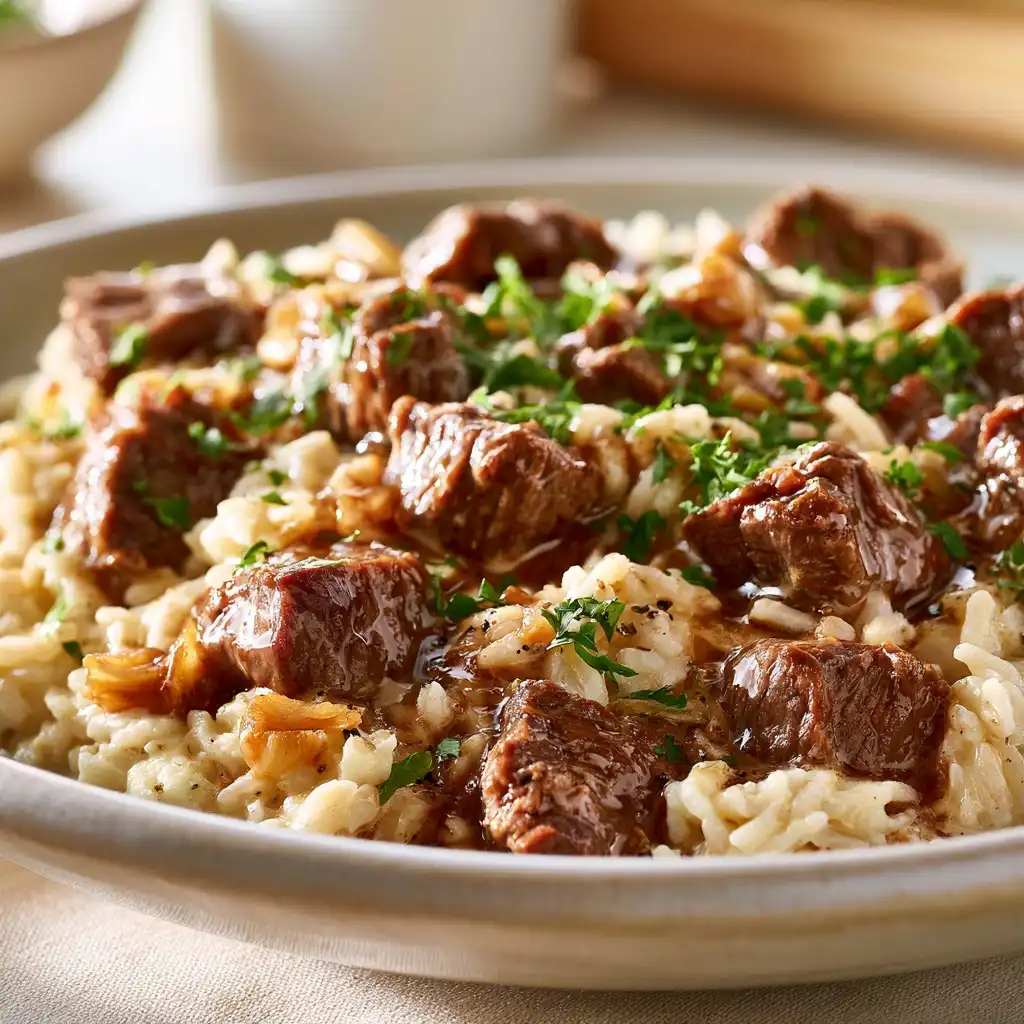
The allure of a Creamy Garlic Parmesan Chicken dinner is undeniable: succulent, seared chicken enveloped in a rich, velvety sauce infused with pungent garlic and sharp Parmesan. It’s the ultimate comfort meal, ready in under an hour.
But if you’ve tried making this dish at home, you know the heartbreak: the chicken is either dry, or worse, the beautiful cream sauce breaks, turning into a grainy, oily mess. It’s a common kitchen problem, and it’s almost always due to two main factors: overcooking the chicken and adding the cheese at the wrong temperature.
I’m Chef Jake Moreno, and after years of perfecting classic French cream sauces in professional kitchens, I’m here to tell you that a silky-smooth, perfectly emulsified sauce is not luck—it’s technique. Our recipe is built specifically to address these failure points, providing you with pro-level methods to ensure a flawless, restaurant-quality Creamy Garlic Parmesan Chicken that will become a staple in your rotation. This is the definitive reference post for this dish.
Why This Recipe Works
This isn’t just another recipe. It’s a masterclass in skillet cooking.
- High-Heat Sear: We use chicken thighs, which are rich in connective tissue, fat, and flavor, making them nearly impossible to dry out. The high-heat sear creates a gorgeous golden-brown crust and builds the fond—the caramelized, savory bits on the bottom of the pan that are essential for deep sauce flavor.
- The Tempering Trick: I will walk you through the precise temperature window for adding the heavy cream and Parmesan. This prevents the proteins in the cheese from seizing and separating (the cause of grainy sauce), ensuring a luxurious, non-split final product.
- One-Pan Efficiency: From sear to simmer, the entire dish is finished in a single skillet, minimizing cleanup and maximizing the marriage of flavors.
Ingredients: Quality Matters for Creamy Garlic Parmesan Chicken
For a dish with only a few core components, ingredient quality is non-negotiable. Don’t skimp on the cheese or the aromatics.
Critical Ingredients Checklist
| Ingredient | Jake’s Pro Tip |
| Chicken Thighs | Use bone-in, skin-on thighs for maximum flavor and juiciness. If using boneless, reduce the final simmer time by 5-7 minutes. |
| Heavy Cream | Use heavy whipping cream (36% milk fat). Lower-fat alternatives (like half-and-half) are more prone to splitting and won’t give you the desired richness. |
| Fresh Garlic | Use freshly minced, never pre-chopped. You need 6-8 cloves—this is a Garlic Parmesan dish! Garlic has known health benefits and provides a pungent, necessary flavor base. |
| Parmesan Cheese | Crucial: You must grate your own block of genuine Parmigiano Reggiano. Pre-grated cheese contains cellulose (anti-caking agents) that will absolutely make your sauce grainy. |
| White Wine (Optional but Recommended) | Use a dry wine like Pinot Grigio or Sauvignon Blanc for deglazing. The acidity balances the richness of the cream. You can substitute with extra chicken broth. |
| Chicken Broth | Low-sodium, high-quality. This is the base that allows the sauce to thicken properly. |
The Professional Method: Step-by-Step for Perfect Results
Equipment Essentials
- Large, heavy-bottomed skillet (cast iron or stainless steel is ideal)
- Tongs
- Instant-read meat thermometer
- Box grater (for the Parmesan)
The Recipe Card (Simplified for Article Flow)
| Prep Time | Cook Time | Servings |
| 15 minutes | 30 minutes | 4 |
Ingredients
- 4 Bone-in, skin-on chicken thighs, patted very dry
- 1 tbsp olive oil + 1 tbsp unsalted butter
- 1 tsp Italian seasoning blend
- 1/2 tsp smoked paprika (optional, for color)
- Salt and black pepper
- 6 cloves garlic, minced
- 1/2 cup dry white wine or chicken broth
- 1 cup heavy cream
- 1/2 cup chicken broth (low sodium)
- 3/4 cup freshly grated Parmesan cheese
- 2 tbsp chopped fresh parsley, for garnish
Instructions
- Prep & Sear: Pat chicken thighs completely dry. Season aggressively with salt, pepper, Italian seasoning, and paprika. Heat oil and butter in a large skillet over medium-high heat until the butter foams. Place the chicken, skin-side down, in the skillet. Sear undisturbed for 6-8 minutes until the skin is deep golden and crispy.
- Flip & Finish Cooking: Flip the thighs. Reduce heat to medium-low. Cook for another 8-10 minutes, or until an instant-read thermometer reads 165°F (74°C) in the thickest part of the thigh. Remove the chicken to a plate and loosely tent with foil. Leave the drippings/fat in the pan.
- Build the Flavor Base: Reduce heat to low. Add the minced garlic to the pan drippings and sauté for about 30–60 seconds, stirring constantly. Do not let the garlic brown or burn (it will become bitter).
- Deglaze: Pour in the white wine (or broth). Increase the heat to medium-high and use a wooden spoon to scrape up all the delicious browned bits (fond) from the bottom of the pan. Let the liquid reduce by half (about 2 minutes). This step adds incredible depth.
- Simmer the Cream: Pour in the heavy cream and the 1/2 cup of chicken broth. Bring the mixture to a gentle simmer—do not let it boil rapidly. Reduce heat to low immediately to maintain a gentle simmer. Cook for 3-5 minutes until the sauce begins to visibly thicken slightly.
- The Tempering Pro Move (Preventing Graininess): Remove the pan from the heat entirely. Let it cool for 60 seconds. Only now, slowly stir in the freshly grated Parmesan cheese, a little at a time, until fully melted and smooth. Season the sauce with salt and pepper to taste (remember the Parmesan is salty).
- Return & Serve: Return the chicken thighs (and any accumulated juices) to the skillet, nestling them into the creamy sauce. Simmer on low for 1-2 minutes to reheat the chicken. Garnish generously with fresh parsley. Serve immediately over pasta, rice, or with crusty bread to soak up every last drop.
Advanced Techniques and Troubleshooting (The Chef’s Handbook)
Mastering the Sear: Crispy Skin is a Must
For a truly satisfying Creamy Garlic Parmesan Chicken, the chicken skin must be crispy enough to contrast the smooth sauce.
- Pat it Dry, Dry, Dry: Moisture is the enemy of a good sear. Use several paper towels to aggressively pat down the chicken skin until it feels tacky, not wet.
- High Heat Start: You need a hot pan (medium-high) and the fat must be shimmering. If it’s not hot enough, the chicken will steam before it sears.
- The Weight Trick: If your chicken skin curls or lifts, place a small, heat-safe weight (like a foil-wrapped brick or a smaller saucepan) on top of the thighs during the initial 6–8 minute sear. This ensures maximum skin-to-pan contact and an even, deep crust.
Why Did My Cream Sauce Split or Turn Grainy?
This is the most frequent question I get. The short answer is: you shocked the dairy proteins.
| Problem | Cause | Chef’s Solution |
| Grainy/Lumpy Texture | Adding Parmesan to a boiling or high-heat liquid. The high heat causes the cheese proteins to seize up and separate from the butterfat. | Remove the pan from the heat! Wait 60 seconds. Stir in the cheese slowly off the heat. Then return to very low heat only to reheat, not to boil. |
| Oily/Split Sauce | Using lower-fat dairy (like milk or half-and-half) or reducing the sauce too aggressively at a rapid boil. The butterfat separates. | Use heavy cream (36% fat). Never let the sauce come to a rolling boil. Keep it at a gentle, slow simmer. If it splits, stir in 1 tsp of cold butter or a splash of cold chicken broth off the heat—this can sometimes help re-emulsify the sauce. |
| Chicken is Dry | Overcooked. Chicken thighs are forgiving, but not invincible. | Use an instant-read thermometer. Remove the chicken at 165°F. It will coast up to 170°F as it rests under the foil. Thighs are actually juicier when cooked to 175°F to 180°F, melting more connective tissue, but 165°F is the safe minimum and will remain juicy. |
Storage and Reheating Tips
Because this is a dairy-based sauce, proper reheating is key.
- Storage: Store leftovers in an airtight container in the refrigerator for up to 3 days. This dish is excellent for meal prep; for other ideas, see our easy anti inflammatory meal prep recipes.
- Reheating (Pro Method): Do not microwave, as high heat will surely split the sauce. Instead, reheat gently on the stovetop over low heat. Add a splash (1-2 tablespoons) of chicken broth or heavy cream to the skillet. As the dish warms, the extra liquid helps loosen the thickened sauce and prevents it from breaking. Stir constantly.
Flavor Variations and Serving Suggestions
This rich, savory dish is incredibly versatile and pairs wonderfully with sides that can soak up the luscious sauce. For another rich, creamy protein option, try our steak creamy garlic shrimp.
Perfect Pairings (What to Serve)
- Starch Soakers: Creamy Mashed Potatoes, Buttered Egg Noodles, or a crusty piece of rustic bread are classic choices. If you love a great one-pan meal, check out our texas roadhouse butter chicken skillet next. This sauce also pairs beautifully with pasta, much like our popular cowboy butter chicken linguine. For a different but equally flavorful starch, consider pairing this with a dish like our chicken and yellow rice recipe.
- Green Contrast: Simple side dishes like Steamed Broccoli, Sautéed Asparagus, or a light Arugula Salad dressed with lemon and a pinch of salt provide a necessary fresh, acidic counterpoint to the dish’s richness.
- Low-Carb Options: Serve over Zucchini Noodles (Zoodles), Cauliflower Rice, or a simple bed of sautéed spinach.
Creative Recipe Variations
You can easily adapt the base recipe to introduce new flavors or cater to dietary needs.
- Sun-Dried Tomato & Spinach: After the garlic, stir in 1/2 cup of drained, chopped sun-dried tomatoes and 2 cups of fresh spinach. Let the spinach wilt before adding the cream.
- Mushroom Lovers: Sauté 8 ounces of sliced cremini or button mushrooms in the pan with 1 tbsp of extra butter before the garlic. Cook until deeply browned for a huge umami boost.
- Spicy Kick: Add 1/4 teaspoon of crushed red pepper flakes to the pan along with the garlic for a subtle heat that cuts through the cream.
- Gluten-Free Thickeners: If you need a thicker sauce, stir a slurry of 1 tablespoon of cornstarch mixed with 2 tablespoons of cold water into the simmering cream mixture. Never use raw flour directly, as it will clump.
The History of Creamy Chicken Dishes: A Comfort Classic
While Creamy Garlic Parmesan Chicken in its one-pan skillet form is largely a modern American culinary creation, designed for weeknight convenience, its roots are deep. This dish is a flavor hybrid, taking inspiration from classic Italian-American and French techniques.
The rich, butter-and-cream sauce base is essentially a simplified béchamel or velouté sauce, foundations of French cuisine developed in the 17th century. These sauces rely on the principles of emulsification and reduction to achieve their luxurious texture. The addition of Parmesan and garlic points directly to the Italian-American comfort food tradition, particularly dishes like Chicken Alfredo, which itself is a derivative of the Roman Fettuccine al Burro (fettuccine with butter).
This recipe, therefore, is a testament to the evolution of comfort food: high-quality flavor derived from centuries of culinary expertise, compressed into a single, simple, and utterly satisfying weeknight skillet. The depth of flavor we achieve here relies on respecting those classic techniques, searing for depth, deglazing for flavor extraction, and low-heat finishing for a perfect emulsion.
Trust these steps, implement the Chef’s pro tips, and you’ll never look at a broken, grainy cream sauce again. This is your new definitive recipe for Creamy Garlic Parmesan Chicken.
FAQ: Your Quickest Questions Answered
We cover the most common reader inquiries about preparation and variations for the Creamy Garlic Parmesan Chicken.
Can I use boneless, skinless chicken breasts instead of thighs?
Yes, you can. However, you must adjust the cooking time significantly. Chicken breasts are leaner and will dry out quickly. Sear them for only 3-4 minutes per side, then complete the cooking in the oven or during the final sauce simmer until they reach an internal temperature of 165°F (74°C). Cut them horizontally into thinner cutlets first to ensure even cooking.
Can I make this dish low-carb/keto-friendly?
Absolutely. The main ingredients (chicken, heavy cream, garlic, Parmesan) are naturally very low-carb. Serve the final dish over Zucchini Noodles (zoodles), steamed broccoli, or cauliflower mash instead of rice or pasta. The sauce itself is keto-approved!
What is the best wine substitute for deglazing?
The best substitute is a low-sodium chicken broth. The main purpose of the wine is to add a layer of complexity and acidity while deglazing the fond (the brown bits) from the bottom of the pan. You could also use a splash of lemon juice mixed with broth to mimic the acidity, but a good broth will work perfectly fine.
How do I prevent the garlic from burning?
The key is to reduce the heat immediately to low before adding the garlic. The skillet will retain a lot of heat from the chicken sear. You only need to cook the minced garlic for 30–60 seconds, until it is fragrant. Once you can smell the raw edge of the garlic mellowing, immediately add the wine or broth to stop the cooking process.
Can I use pre-shredded Parmesan?
While you can, I strongly advise against it if you want a perfect, non-grainy sauce. Pre-shredded cheese is coated with anti-caking agents like potato starch or cellulose. These agents do not melt properly and are the primary culprit for a split or grainy sauce. Take the extra minute to grate a block of quality Parmesan for a truly exceptional result. This is one of the most important Chef’s Secrets!
Conclusion: Your Skillet Masterpiece Awaits
By following the professional techniques outlined here, from the high-heat sear to the crucial off-heat tempering of the Parmesan, you have the knowledge to create the definitive Creamy Garlic Parmesan Chicken dish. It’s a testament to the fact that simple ingredients, combined with expert methods, yield truly unforgettable results. Enjoy this cozy, rich, and utterly delicious skillet meal!