There is a distinct difference between “canned soup” and the velvety, aromatic embrace of a homemade bowl. Usually, that difference is measured in hours of simmering. But as a nutritionist who balances a busy schedule, I know that we don’t always have the luxury of time.
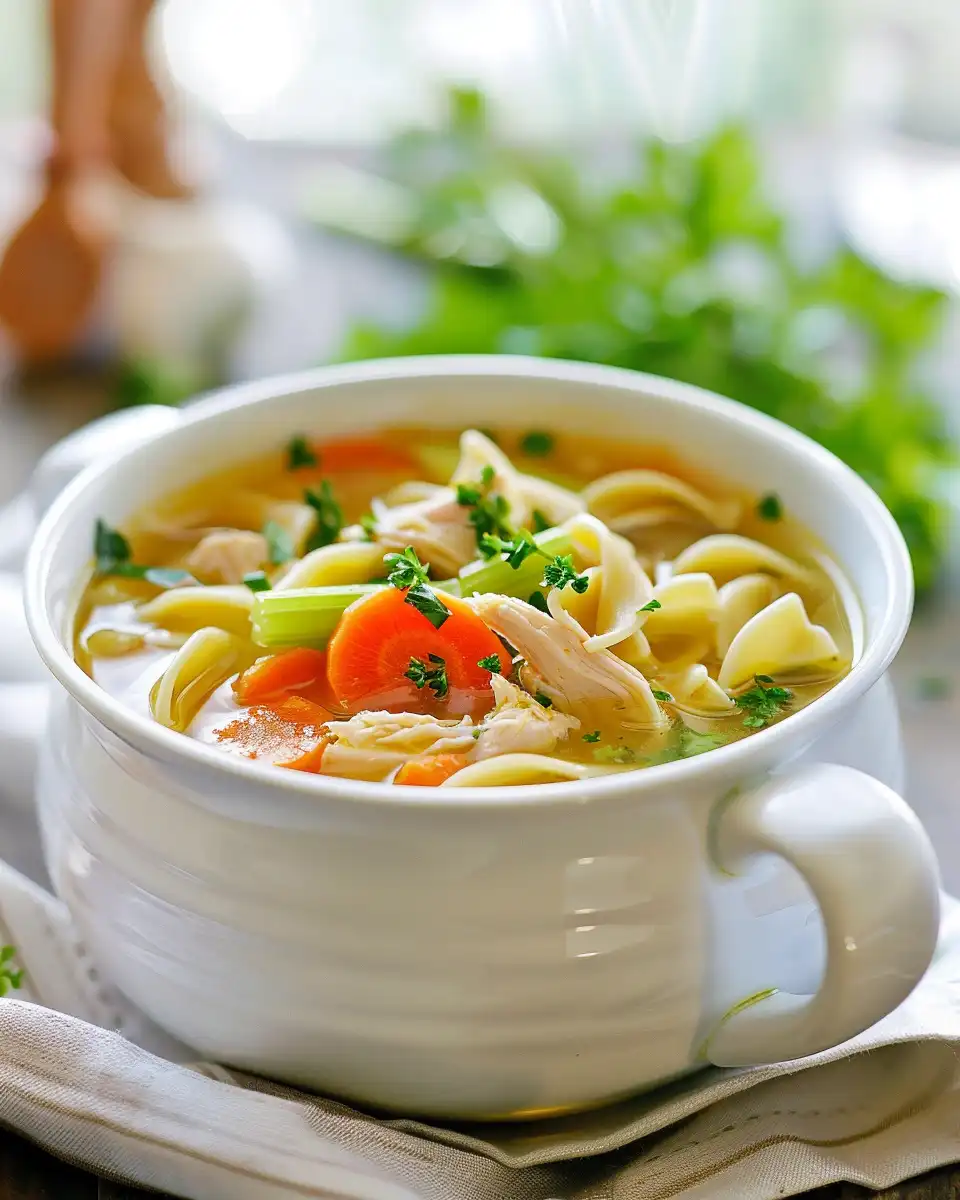
This 30-Minute Chicken Soup is designed to hack the flavor profile of a slow-simmered broth using smart ingredient choices and technique. We aren’t just making soup fast; we are building layers of savory depth that usually take half a day to achieve. Expect a broth that is rich and golden, vegetables that are tender but not mushy, and a protein-packed meal that resets your system.
The Secret to “Instant” Homemade Flavor
Since we are skipping the long simmer, we cannot rely on the bones to release collagen over four hours. We have to introduce that body and flavor immediately.
- The Broth Matters: Since this is the base of the entire dish, use a high-quality bone broth (store-bought is fine) rather than a sodium-heavy bouillon cube. It provides the mouthfeel we want.
- The Bloom: We will sauté our aromatics (garlic, herbs) in fat before adding the liquid. This releases oil-soluble flavor compounds instantly.
- Acid is Key: A squeeze of lemon at the very end brightens the heavy savory notes and mimics the complexity of a long cook time.
Top 3 Pro Tips for Success
- Uniform Chopping: To ensure your carrots and celery cook in the 10-minute simmer window, dice them small and uniform (about 1/4 inch). Large chunks will remain hard in the center.
- Rotisserie is King: For a 30-minute timeline, do not cook raw chicken in the soup. It slows down the boil and often results in rubbery meat. Use shredded rotisserie chicken or leftover Honey Garlic Glazed Chicken Thighs for instant tenderness.
- Cook Noodles Separately: If you plan to have leftovers, boil your noodles in a separate pot. Noodles left in soup act like sponges, soaking up your precious broth and becoming bloated by the next day.
Common Mistakes to Avoid
| Mistake | Why it Fails | The Fix |
| Boiling wildly | Makes the chicken tough and the broth cloudy/greasy. | Maintain a gentle simmer (small bubbles). |
| Adding herbs too early | Fresh herbs lose their potency if boiled for 20 mins. | Add dried herbs at the start; add fresh parsley at the very end. |
| Skipping the fat | Soup needs fat to carry flavor. | Sauté veggies in butter or olive oil; don’t just boil them in water. |
Ingredients List
- 1 tbsp Olive oil (or avocado oil)
- 1 tbsp Unsalted butter (optional, for richness)
- 1 cup Yellow onion, diced
- 3 large Carrots, peeled and sliced into thin rounds
- 2 stalks Celery, sliced thinly
- 3 cloves Garlic, minced
- 1/2 tsp Dried thyme
- 1/2 tsp Dried oregano
- 1/4 tsp Turmeric powder (for golden color and anti-inflammatory benefits)
- 6 cups Chicken bone broth or low-sodium chicken stock
- 2 cups Cooked chicken, shredded (Rotisserie or leftover breast/thighs)
- 1 1/2 cups Egg noodles (uncooked)
- 1 tbsp Fresh lemon juice
- Salt and black pepper, to taste
- 1/4 cup Fresh parsley, chopped
Step-by-Step Instructions
- Sauté the Base:In a large Dutch oven or soup pot, heat the olive oil and butter over medium heat. Once melted, add the diced onion, carrots, and celery. Sauté for 5–7 minutes until the onions are translucent and the vegetables have softened slightly. This step creates the “fond” (browned bits) that equals flavor.
- Bloom the Aromatics:Add the minced garlic, thyme, oregano, and turmeric. Stir constantly for 1 minute until fragrant. Do not let the garlic burn.
- Simmer the Broth:Pour in the chicken broth. Scrape the bottom of the pot with a wooden spoon to release any browned bits. Increase the heat to high to bring it to a boil, then immediately reduce to a simmer. Let it cook for 10 minutes or until the carrots are fork-tender.
- Add Noodles & Chicken:Stir in the uncooked egg noodles and the shredded cooked chicken. Simmer for another 7–9 minutes (or according to package directions) until the noodles are al dente. Note: If planning for leftovers, cook noodles in a separate pot of water and add to bowls individually.
- Finish & Serve:Remove the pot from the heat. Stir in the fresh lemon juice and fresh parsley. Taste the soup carefully—this is crucial. Add salt and plenty of freshly cracked black pepper until the flavors “pop.” Serve hot with crusty bread or crackers.
Frequently Asked Questions
1. Can I freeze this soup?
Yes, but with a caveat. Broth and chicken freeze beautifully, but noodles do not—they turn into mush upon reheating. If you plan to freeze, make the soup without the noodles. When you are ready to eat, thaw the soup and boil fresh noodles to add in.
2. What creates that “yellow” color in classic chicken soup?
Traditionally, it comes from cooking chicken skin and fat for hours. In a 30-minute version, we use a pinch of turmeric. It provides that appetizing golden hue and adds a subtle earthiness without overpowering the classic taste.
3. Is this soup gluten-free?
The soup base is naturally gluten-free. To make the entire dish compliant, simply swap the egg noodles for a gluten-free pasta (like rice noodles or a chickpea pasta). Alternatively, try adding white rice; check out our guide on One-Pot Chicken and Rice for inspiration.
4. Can I use raw chicken if I don’t have rotisserie?
Yes. Cut raw chicken breast or thighs into 1-inch cubes. Brown them in the pot first with salt and pepper, remove them, then sauté your veggies. Add the raw chicken back in with the broth to finish cooking. This will add about 5–10 minutes to your prep time.
5. How can I boost the protein?
Chicken is great, but bone broth creates a high-protein base. You can also stir in a can of drained chickpeas or white beans for extra fiber and protein density. For other hearty options, try our Hearty Chicken Veggie Soup.
6. What is the best way to store leftovers?
Store in an airtight container in the refrigerator for up to 3 days. The noodles will absorb liquid as it sits, so you may need to add a splash of water or stock when reheating on the stove.
7. Why does my soup taste bland?
It likely lacks salt or acid. Chicken soup requires a surprising amount of salt to bring out the vegetable flavors. If it’s salty enough but still “flat,” add another squeeze of lemon juice.
Next Step: Now that you’ve mastered the main course, would you like me to find a crusty bread recipe or a light side salad to complete your dinner menu?