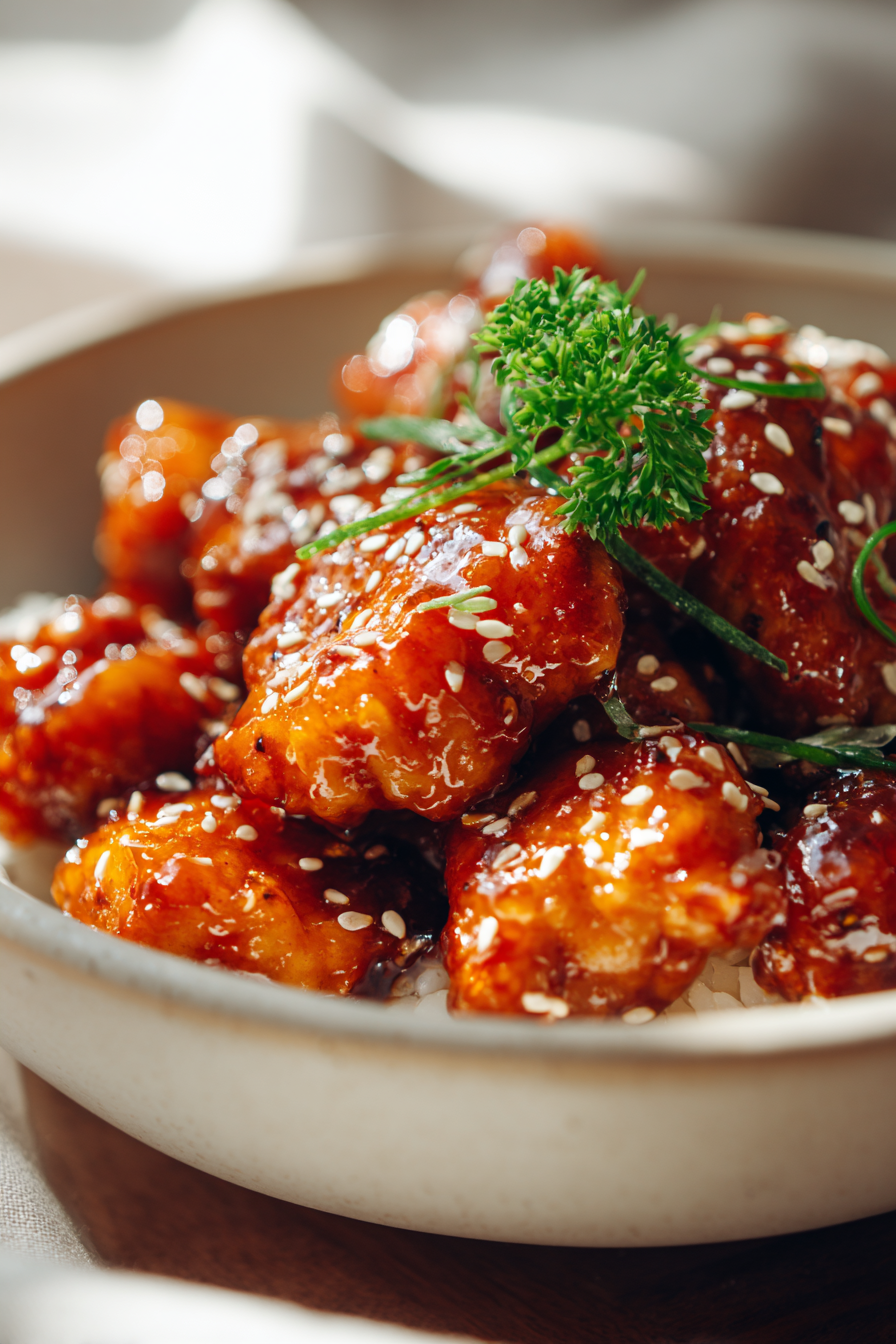
Sticky orange chicken bowls deliver crispy, caramelized chicken coated in a tangy-sweet orange sauce over fluffy rice. This homemade version surpasses takeout restaurants in flavor depth, texture control, and ingredient freshness. Whether you’re meal prepping or cooking dinner tonight, these bowls prove restaurant-quality Asian cuisine belongs in your kitchen.
| Prep Time | Cook Time | Total Time | Servings | Difficulty | Cuisine |
|---|---|---|---|---|---|
| 15 minutes | 20 minutes | 35 minutes | 4 servings | Intermediate | Asian-American |
Why This Recipe Works
This sticky orange chicken bowl recipe outperforms takeout because you control chicken crispiness, sauce consistency, and ingredient quality from start to finish. Traditional takeout uses cornstarch slurries and excessive sodium to achieve the glossy finish. Our method combines precise heat management with fresh orange juice and zest for authentic citrus brightness that bottled versions cannot replicate.
The real advantage lies in texture layering. When you cook chicken thighs at home, you achieve a golden, crispy exterior while keeping meat incredibly juicy inside. The sauce clings perfectly to freshly cooked rice, creating bowls that don’t become soggy during storage like many takeout containers do after thirty minutes.
Time investment is minimal too. These sticky orange chicken bowls come together in about thirty-five minutes from ingredient prep to plated dinner. You’ll spend less time than driving to a restaurant, waiting for your order, and dealing with packaging waste.
Ingredients
The following ingredients create the foundation for exceptional sticky orange chicken bowls with balanced flavors and restaurant-quality presentation.
| Ingredient | Quantity | Notes |
|---|---|---|
| Boneless chicken thighs | 1.5 pounds | Cut into 1-inch cubes; thighs stay juicier than breast meat |
| Fresh orange juice | 3/4 cup | Freshly squeezed yields superior flavor; bottled juice acceptable |
| Orange zest | 2 tablespoons | Microplane grater recommended for finest zest distribution |
| Garlic cloves | 4 cloves | Minced fresh garlic; jarred garlic diminishes flavor complexity |
| Sesame oil | 2 tablespoons | Toasted variety adds nutty depth; use sparingly as it’s potent |
| Rice vinegar | 2 tablespoons | Unseasoned preferred for flavor control |
| Soy sauce | 1/4 cup | Low-sodium reduces excess saltiness in finished bowls |
| Honey | 3 tablespoons | Balances acidity and creates glossy sauce coating |
| Cornstarch | 3 tablespoons | Divided: 2 for coating chicken, 1 for sauce thickening |
| Vegetable oil | 3 tablespoons | For pan-frying; choose high smoke point oil |
| White rice or jasmine rice | 2 cups cooked | Cook separately; warm rice absorbs sauce flavors better |
| Green onions | 3 stalks | Sliced thin for garnish; adds color and subtle onion brightness |
| Sesame seeds | 1 tablespoon | White or black variety; toasted preferred for deeper flavor |
| Red pepper flakes | 1/4 teaspoon | Optional; adjust heat level to personal preference |
| Salt and black pepper | To taste | Season chicken before coating; taste sauce before finishing |
Step-by-Step Instructions
Preparation Phase
- Cut chicken thighs into uniformly sized one-inch cubes to ensure even cooking throughout all pieces.
- Season chicken cubes generously with salt and black pepper on all surfaces.
- Combine two tablespoons cornstarch with one teaspoon salt in a shallow bowl.
- Toss chicken cubes through the cornstarch mixture until each piece is evenly coated.
- Mince four fresh garlic cloves into fine pieces using a sharp knife or garlic mincer.
- Grate orange zest from two oranges using a microplane grater into a small bowl.
- Squeeze three-quarters cup fresh orange juice and set aside in a measuring cup.
- Cook two cups jasmine or white rice according to package directions; keep warm.
Cooking the Chicken
- Heat three tablespoons vegetable oil in a large skillet over medium-high heat until shimmering.
- Working in batches, carefully place cornstarch-coated chicken cubes into the hot oil without overcrowding the pan.
- Allow chicken to cook undisturbed for three minutes until the bottom develops a golden-brown crust.
- Stir and flip chicken pieces, cooking another three to four minutes until all sides are caramelized and internal temperature reaches one hundred sixty-five degrees Fahrenheit.
- Transfer cooked chicken to a clean plate using a slotted spoon; cover loosely with foil.
Making the Orange Sauce
- Pour off excess oil from the skillet, leaving about one tablespoon in the bottom.
- Add minced garlic to the remaining oil and cook for thirty seconds, stirring constantly until fragrant.
- Pour in three-quarters cup fresh orange juice and two tablespoons rice vinegar into the skillet.
- Add one-quarter cup low-sodium soy sauce and three tablespoons honey, stirring until honey dissolves completely.
- Increase heat to high and bring the mixture to a gentle boil for one minute.
- Mix one tablespoon cornstarch with two tablespoons cold water in a small bowl until smooth.
- Pour the cornstarch slurry into the boiling sauce while whisking continuously to prevent lumps.
- Reduce heat to medium and simmer for two minutes until the sauce thickens to a glossy consistency that coats the back of a spoon.
- Stir in two tablespoons toasted sesame oil and orange zest until fully incorporated.
- Return cooked chicken to the skillet and toss gently to coat each piece evenly in the sticky orange sauce.
- Simmer for one additional minute to allow flavors to meld together.
Assembly and Serving
- Divide two cups cooked rice evenly among four serving bowls.
- Ladle sticky orange chicken and sauce generously over each rice portion.
- Garnish each bowl with sliced green onions, one-quarter tablespoon sesame seeds, and a pinch of red pepper flakes if desired.
- Serve immediately while bowls are still hot and sauce is glossy.
Pro Tips for Best Results
- Use chicken thighs, never breast meat: Thighs contain more fat and connective tissue, which breaks down into gelatin during cooking and keeps meat incredibly moist. White breast meat dries out quickly, especially when cut into small cubes.
- Double-dredge for maximum crispiness: After initial cornstarch coating, let chicken sit for five minutes, then dip each piece into the cornstarch mixture again. This creates an ultra-crispy, textured exterior that mimics wok-tossed restaurant versions.
- Fresh orange juice changes everything: The difference between fresh-squeezed and bottled orange juice is profound. Fresh juice contains natural enzymes and aromatic compounds that add brightness and complexity. Bottled juice tastes flat by comparison.
- Temper your sauce additions carefully: When whisking cornstarch slurry into hot liquid, always whisk constantly. If you pour slurry in without mixing, lumps form immediately and cannot be reversed.
- Rest your chicken after initial cooking: Letting cooked chicken rest on a plate for one minute before adding it back to the sauce allows carryover cooking to complete and prevents overcooking when simmered in warm sauce.
- Toast sesame seeds before garnishing: Untoasted sesame seeds taste bland and grassy. Quickly toast them in a dry skillet over medium heat for two minutes until fragrant and golden for maximum nutty flavor.
Common Mistakes to Avoid
Mistake 1: Using boneless, skinless chicken breast instead of thighs
WHAT GOES WRONG: Chicken breast becomes dry and stringy, creating chewy rather than tender bites in your sticky orange chicken bowls. WHY: Breast meat contains minimal fat and dries out rapidly at high temperatures. HOW TO FIX IT: Switch to boneless chicken thighs, which contain two to three times more fat and stay juicy even after extended cooking.
Mistake 2: Skipping the resting period for cooked chicken
WHAT GOES WRONG: Chicken becomes overcooked and tough when immediately simmered in the warm orange sauce. WHY: Residual heat continues cooking the meat’s interior, and boiling sauce accelerates drying. HOW TO FIX IT: Remove chicken to a plate immediately after pan-frying and rest for one minute before returning to the sauce.
Mistake 3: Adding cornstarch slurry too quickly or without whisking
WHAT GOES WRONG: Lumpy sauce that has a chalky, unpleasant texture and uneven thickening. WHY: Cornstarch clumps when exposed to heat without constant agitation, and temperature shock causes immediate gel formation. HOW TO FIX IT: Always whisk constantly while slowly pouring in the cornstarch slurry, or add it gradually in small increments.
Mistake 4: Overcrowding the skillet during cooking
WHAT GOES WRONG: Chicken steams instead of crisping, resulting in pale, soggy surfaces instead of golden-brown exterior. WHY: Crowded pans create steam that prevents oil contact with chicken surfaces. HOW TO FIX IT: Cook chicken in two or three batches, leaving space between pieces for oil to circulate freely.
Mistake 5: Using bottled minced garlic or jarred orange juice
WHAT GOES WRONG: Sauce tastes flat, one-dimensional, and lacks the aromatic brightness of fresh sticky orange chicken bowls. WHY: Bottled ingredients contain preservatives and lose volatile compounds that provide flavor complexity. HOW TO FIX IT: Mince fresh garlic cloves at home and squeeze fresh orange juice; the effort takes five minutes and transforms your dish quality completely.
Variations and Substitutions
These alternative ingredients allow you to customize sticky orange chicken bowls while maintaining authentic flavors and textures.
| Original Ingredient | Substitution | Flavor Impact |
|---|---|---|
| Orange juice and zest | Lemon juice (1/2 cup) + lime juice (1/4 cup) | Brighter, more acidic profile with subtle tropical notes replacing citrus sweetness |
| Honey | Maple syrup or brown sugar | Deeper molasses notes and slight caramel undertones; use same quantity |
| Sesame oil | Peanut oil | Milder, less assertive flavor; use same quantity |
| Jasmine rice | Brown rice or cauliflower rice | Earthier, nuttier base; cauliflower rice adds vegetable freshness and reduces carbs |
| Chicken thighs | Beef tenderloin cubes or tofu | Beef adds richness and chew; tofu absorbs sauce beautifully for vegetarian bowls |
| Red pepper flakes | Sriracha or gochujang | Complex heat with umami depth instead of simple spice; add slowly to taste |
| Sesame seeds | Chopped roasted peanuts or pistachios | Nutty crunch replaces sesame’s subtle earthiness; adds textural variety |
Serving Ideas
Transform sticky orange chicken bowls from simple dinner into restaurant-worthy presentations suited for specific occasions.
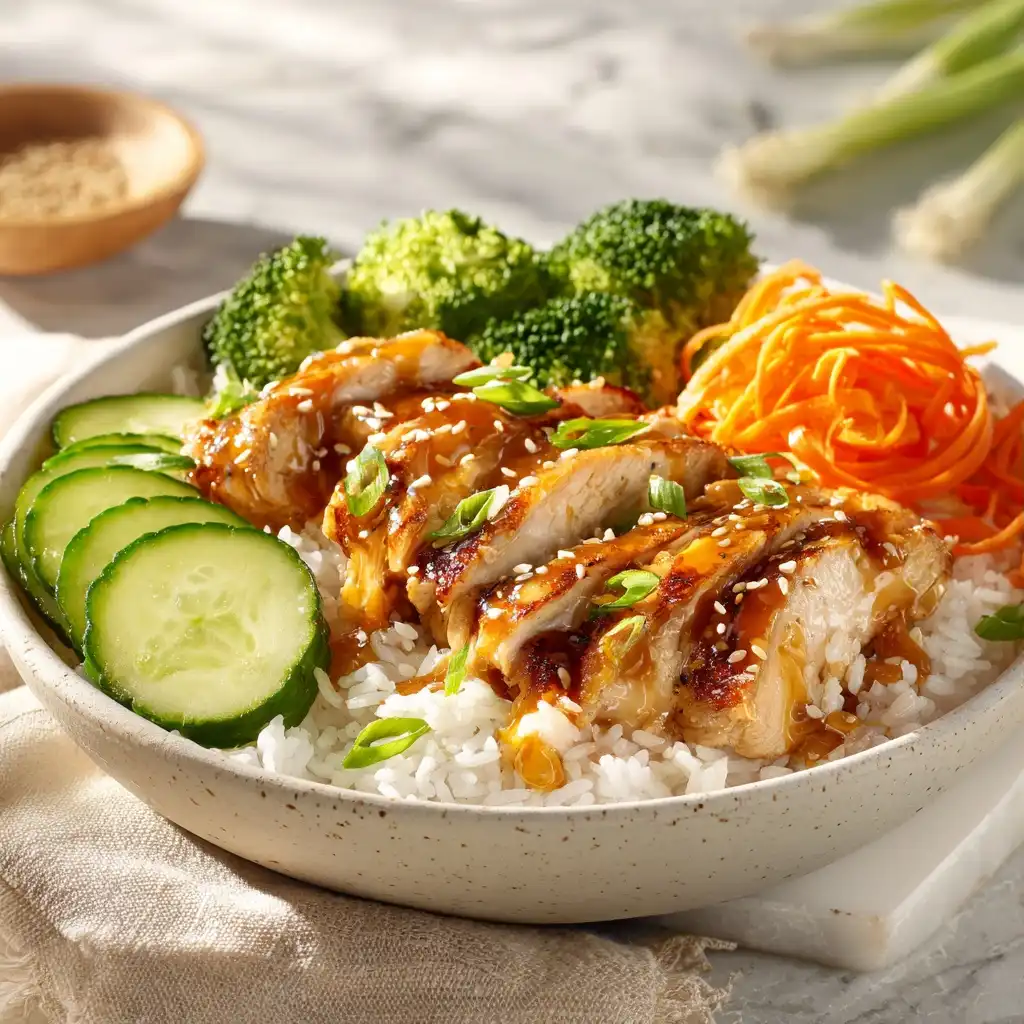
Weeknight Family Dinner: Serve bowls at the kitchen table with sliced cucumber, pickled ginger, and extra green onions on the side. Let family members customize their portions with preferred toppings, turning dinner into an interactive experience.
Meal Prep for Work: Pack sticky orange chicken bowls into glass containers with rice on the bottom and sauce-coated chicken on top. Layer green onions and sesame seeds last so they stay crispy. These bowls stay fresh for three days refrigerated and reheat beautifully in the microwave.
Date Night or Entertaining: Plate individual bowls in shallow serving dishes, arranging rice into a nest and centering chicken pieces on top. Drizzle any remaining sauce around the rice. Garnish with microgreens, additional orange zest, and toasted sesame seeds. Serve with chopsticks and a simple spinach salad dressed with rice vinegar.
Potluck or Gathering: Prepare sticky orange chicken bowls in a large shallow pan for family-style serving. Set rice and protein separately so guests can customize portions. Prepare toppings (green onions, sesame seeds, fresh cilantro) in small bowls for self-service.
Asian-Inspired Menu Pairing: Serve alongside edamame, cucumber salad dressed with rice vinegar, and miso soup. Include steamed bok choy or broccoli as a vegetable component. Finish with lychee sorbet or mango pudding for authentic Asian dining flow.
Storage and Reheating
Proper storage ensures your sticky orange chicken bowls maintain quality and taste fresh throughout the week.
| Storage Method | Duration | Instructions |
|---|---|---|
| Refrigerated (separate components) | 3-4 days | Store cooked rice in airtight container. Store chicken and sauce together in separate airtight container. Assemble bowls when ready to eat. This prevents rice from absorbing excess moisture. |
| Refrigerated (assembled) | 2-3 days | Layer rice in bottom of glass container, top with chicken and sauce. Cover with airtight lid. Rice will absorb some sauce, creating softer texture. Stir before eating. |
| Frozen | Up to 2 months | Cool chicken and sauce completely before freezing in airtight containers. Do NOT freeze rice; store separately. Label with date. Thaw chicken overnight in refrigerator before reheating. |
| Microwave reheating | Individual portions | If stored separately: Microwave rice for 1-2 minutes until warm. Microwave chicken with sauce for 1-2 minutes, stirring halfway through. Combine and garnish. If assembled: Microwave 2-3 minutes, stirring halfway. |
| Stovetop reheating | Best for sauce quality | Heat chicken and sauce in a skillet over medium heat for 3-4 minutes, stirring occasionally, until heated through. Warm rice separately. This method restores gloss to sauce better than microwaving. |
Nutritional Information
The following nutritional breakdown reflects one serving of sticky orange chicken bowls (approximately one-quarter of the recipe without optional garnishes).
| Nutrient | Amount per Serving |
|---|---|
| Calories | 580 calories |
| Protein | 34 grams |
| Fat | 18 grams |
| Saturated Fat | 4.5 grams |
| Carbohydrates | 68 grams |
| Fiber | 1 gram |
| Sugar | 16 grams |
| Sodium | 720 milligrams |
Approximate values based on USDA database and standard recipe calculations. Values may vary based on specific brands and ingredient sourcing.
Frequently Asked Questions
Can I make sticky orange chicken bowls without using cornstarch?
Yes, arrowroot powder creates an equally effective thickener with slightly less slick texture. Use the same quantity as cornstarch. Alternatively, reduce orange juice by half and simmer the sauce longer to achieve natural thickening through evaporation, though the glaze will be less glossy than cornstarch versions.
How far in advance can I prep sticky orange chicken for a dinner party?
Prepare the orange sauce and cook the chicken separately up to two days before your event. Store them in separate airtight containers in the refrigerator. Combine them thirty minutes before serving, reheating gently over medium-low heat. This timing ensures flavors meld while preventing overcooking. Cook rice fresh on the day of service for optimal texture.
What’s the best rice for sticky orange chicken bowls?
Jasmine and short-grain white rice are ideal because their starch content helps them absorb sauce without becoming mushy. Avoid instant rice, which breaks down quickly. Brown rice works well but requires longer cooking and creates earthier flavor profiles that some prefer over traditional white rice.
Why does my sticky orange chicken sauce break or become grainy?
Sauce breaks when cornstarch clumps from rapid temperature changes or when acid in the orange juice breaks down the starch bonds. Prevent this by whisking cornstarch slurry slowly into warm (not boiling) sauce while stirring constantly. If your sauce separates, strain it through fine-mesh sieve and restart with fresh sauce base if necessary.
Can I double this recipe for meal prepping multiple weeks of sticky orange chicken bowls?
Absolutely. Double all ingredients and use two large skillets for cooking chicken simultaneously to avoid crowding. Freeze individual containers of sauce-coated chicken in portions matching your rice quantities. Frozen chicken maintains quality for two months. Cook fresh rice weekly to ensure optimal taste and texture throughout your meal prep week.
Sticky orange chicken bowls prove that exceptional Asian cuisine thrives in home kitchens when you invest in fresh ingredients and proper technique. This recipe surpasses takeout in every measurable way: flavor brightness, texture control, customization options, and value. Your next craving for sticky orange chicken deserves thirty-five minutes of effort over mediocre restaurant versions. Make these bowls this week and you’ll never return to takeout again.
Print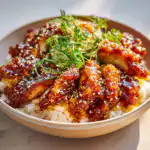
Sticky Orange Chicken Bowls
- Total Time: 35
- Yield: 4 servings
- Diet: Not Vegetarian
Description
Crispy caramelized chicken thighs in a tangy-sweet orange glaze over fragrant jasmine rice. A homemade version that outshines takeout with layered flavors and restaurant-quality texture, ready in 35 minutes.
Ingredients
Boneless chicken thighs, 1.5 pounds (cut into 1-inch cubes)
Fresh orange juice, 3/4 cup
Orange zest, 2 tablespoons
Garlic cloves, 4 (minced)
Sesame oil, 2 tablespoons
Rice vinegar, 2 tablespoons
Low-sodium soy sauce, 1/4 cup
Ground ginger, 1 teaspoon
Brown sugar, 2 tablespoons
Cornstarch, 1 tablespoon (optional thickeners)
Jasmine rice, 2 cups
Sliced scallions, for topping
Instructions
Rinse chicken, pat dry, and toss with cornstarch (if using)
Heat 1 tablespoon sesame oil in a large skillet over medium-high heat
Cook chicken in batches until golden brown (4-5 minutes/side) and cooked through
Remove chicken and set aside
Add remaining 1 tablespoon oil to the same skillet
Sauté garlic for 30 seconds, then add orange juice, zest, soy sauce, vinegar, ginger, and brown sugar
Bring to a simmer and reduce by half (5-7 minutes)
Return chicken to the pan, stir to coat in sauce until thickened (5 minutes)
Serve hot over steamed jasmine rice with scallion garnish
Notes
Substitute orange zest with 1 tablespoon dried orange peel powder for convenience
Use medium-grain rice if jasmine rice is unavailable
For extra tang, add 1 teaspoon ponzu sauce to the glaze
- Prep Time: 15
- Cook Time: 20
- Category: Dinner
- Method: Pan-frying with sauce reduction
- Cuisine: Asian-American
Nutrition
- Serving Size: 1 bowl (approx 600g)
- Calories: 420
- Sugar: 18g
- Sodium: 6g
- Fat: 15g
- Saturated Fat: 3g
- Carbohydrates: 45g
- Fiber: 2g
- Protein: 32g
- Cholesterol: 220mg