Purple carrots aren’t just gorgeous—they’re packed with flavor, history, and vibrant nutrition. In this article, I’m sharing my favorite purple carrot recipes along with cozy kitchen memories, helpful tips, and answers to the most common questions home cooks ask. Whether you roast them, soup them up, or toss them into something special, purple carrots bring earthy sweetness and deep color to any plate. You’ll also find some creative ideas from the Good Taste kitchen that turn this underrated veggie into a star. Let’s dig in, apron on, with a little love and a lot of flavor.
Print
Purple Carrot Recipes That Surprise and Delight
- Total Time: 30 minutes
- Yield: 2 servings 1x
- Diet: Vegetarian
Description
This colorful purple carrot quinoa bowl is packed with earthy sweetness, plant-based protein, and a bright citrus dressing—perfect for a nourishing lunch or light dinner.
Ingredients
1 cup cooked quinoa
1 cup purple carrots, peeled and sliced into matchsticks
1 cup baby spinach leaves
½ cup chickpeas, drained and rinsed
¼ cup red cabbage, thinly sliced
2 tablespoons sunflower seeds
1 avocado, sliced
For the Citrus Dressing:
3 tablespoons olive oil
2 tablespoons freshly squeezed orange juice
1 tablespoon lemon juice
1 teaspoon Dijon mustard
1 teaspoon maple syrup
½ teaspoon salt
¼ teaspoon black pepper
Instructions
1. Cook quinoa and let it cool slightly.
2. Prepare the dressing: whisk together all dressing ingredients in a small bowl or jar.
3. In a large bowl, layer the quinoa, purple carrots, spinach, chickpeas, and red cabbage.
4. Top with sliced avocado and sunflower seeds.
5. Drizzle with citrus dressing.
6. Toss gently to combine and serve immediately.
Notes
You can roast the purple carrots for extra depth, or keep them raw for crunch.
This bowl keeps well for meal prep—just add avocado before serving.
- Prep Time: 10 minutes
- Cook Time: 20 minutes
- Category: Main Dish
- Method: No-Cook or Roasted
- Cuisine: Vegetarian
Nutrition
- Serving Size: 1 bowl
- Calories: 420
- Sugar: 7g
- Sodium: 420mg
- Fat: 25g
- Saturated Fat: 3g
- Unsaturated Fat: 21g
- Trans Fat: 0g
- Carbohydrates: 40g
- Fiber: 9g
- Protein: 11g
- Cholesterol: 0mg
A Purple Carrot Memory & Why They’re Worth the Hype
From farmers’ markets to my stovetop
The first time I bought purple carrots, it was an October morning at our small-town farmer’s market. They looked like something out of a storybook—deep violet on the outside, with fiery orange, yellow, and sometimes even red peeking through when I sliced them. I didn’t know what I’d make, but they came home with me tucked beside a crusty sourdough and a wedge of goat cheese. That night, I roasted them with thyme and a drizzle of maple syrup—and just like that, I was hooked. They turned buttery-soft with hints of licorice and spice, a flavor much bolder than the mellow sweetness of orange carrots.
That little purple carrot moment became one of the reasons I started Good Taste Recipes. Cooking shouldn’t feel complicated. It should feel like home—like a warm oven and a favorite song and something real at the end of the day.
What makes purple carrots so special?
Purple carrots aren’t just pretty—they’ve been around longer than orange ones. Originally cultivated in ancient Persia, their deep hue comes from anthocyanins, powerful antioxidants also found in blueberries. That means they’re not only tasty but good for your heart and brain. When cooked, they mellow just enough to keep their sweet, earthy personality without losing that signature purple flair. And if you’re the kind of cook who loves a good color story (like pairing them with creamy dips or next to a golden bake), you’ll love tossing them beside something warm like banana bread made without butter for a rustic fall brunch.
Purple carrots have taught me to look at ordinary vegetables a little differently—because sometimes the most colorful dishes come from simple, grounded ingredients.
Easy and Flavorful Purple Carrot Recipes
Roasted, glazed, and pan-fried ideas
Purple carrots are incredibly versatile, but let’s start with the simplest and most crowd-pleasing way to prepare them: roasting. When you roast purple carrots, their sugars caramelize beautifully, giving you a tender bite with a hint of crisp at the edges. A quick toss in olive oil, salt, cracked pepper, and herbs like thyme or rosemary is all you need. Slide them into a hot oven (around 400°F) for 25–30 minutes and watch magic happen.
One of my go-to recipes is maple-roasted purple carrots with a touch of balsamic. The vinegar adds brightness while the maple syrup hugs each carrot in a glossy, flavorful glaze. This method also works great if you’re pairing them with a rich protein like beef or smoked ham, but they hold their own on a vegetarian plate too.
For weeknights, I often sauté them in a cast iron skillet with garlic and butter until just tender, then finish with a squeeze of lemon. It’s quick, delicious, and cozy.
Need something elevated for guests? Try slicing purple carrots thinly and pan-frying until crisp—they make the most stunning garnish for anything from grain bowls to a seafood dish like this crab brulee recipe. It’s an unexpected twist that looks fancy but feels effortless.
Purple carrot soups and sides for weeknights
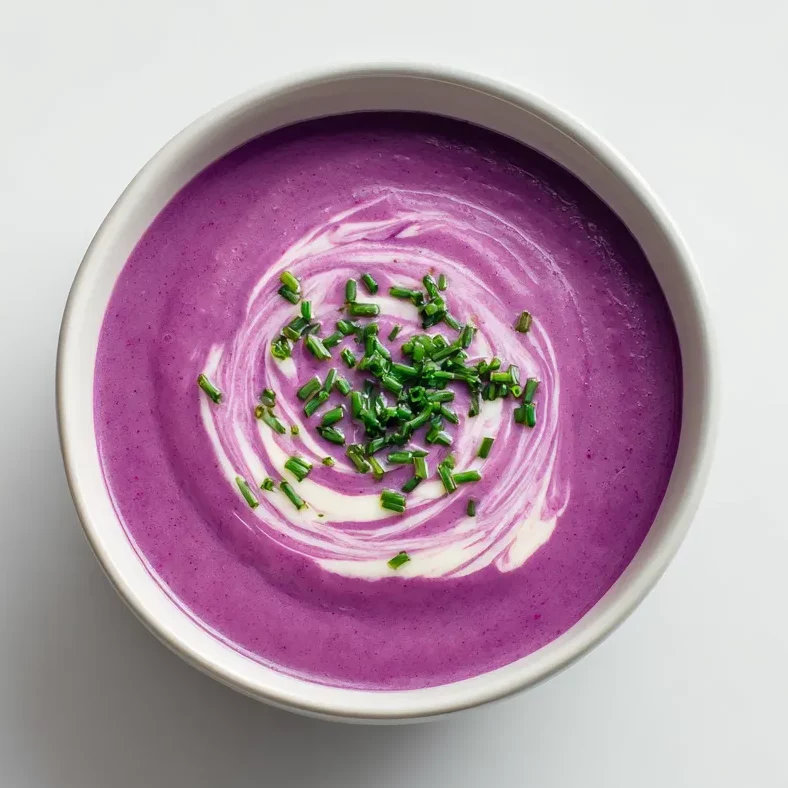
Purple carrot soup is one of those comfort foods that feels healing and hearty at the same time. I usually simmer them with yellow onion, garlic, a chopped potato for creaminess, and homemade veggie broth. Blend it all smooth and finish with a swirl of coconut cream or Greek yogurt. It’s a beautiful deep-purple bowl that tastes as good as it looks.
For a lighter side, purple carrots shine in salads when shaved thin with a peeler. They add crunch and color to mixed greens or a citrusy grain salad. One of my favorite pairings is a purple carrot slaw beside pasta dishes like this ditalini recipe, which brings warm, comforting flavors and lets the carrots bring the brightness.
If you’re cooking for picky eaters or little ones, purple carrots can be your colorful secret weapon. Mashed with sweet potatoes or spiralized into veggie noodles, they bring playful hues and mild sweetness that kids usually go for. And trust me—it’s a great way to sneak in a little extra nutrition without anyone noticing.
Purple Carrot Power Bowl with Citrus Dressing
Sometimes when I’ve got a batch of cooked quinoa in the fridge and a few roasted purple carrots on hand, this bowl basically builds itself. I’ll layer the quinoa with baby spinach, crunchy chickpeas, and a handful of red cabbage for that extra bite. Add a few sunflower seeds and creamy slices of avocado, and you’ve got a dish that’s equal parts comfort and color.
The citrus dressing is bright and zippy—just olive oil, orange juice, lemon, Dijon, maple syrup, salt, and pepper whisked together in a jar. Drizzle it over everything and give it a gentle toss. It’s simple, fresh, and somehow always hits the spot.
Nutritional Boosts and Creative Uses
Are purple carrots actually healthier?
Yes—purple carrots aren’t just eye-catching. They contain powerful plant compounds, especially anthocyanins, which are natural pigments with strong antioxidant properties. Research suggests that these compounds help fight oxidative stress, reduce inflammation, and may support heart and brain health.
According to a study published in the Journal of Agricultural and Food Chemistry, anthocyanins found in purple carrots exhibit anti-inflammatory and anti-carcinogenic properties, which may contribute to reducing the risk of certain chronic diseases (J. Agric. Food Chem. 2003, 51, 3, 645–650).
Purple carrots also provide polyphenols, fiber, potassium, and smaller amounts of beta-carotene than their orange cousins. And that’s exactly why so many purple carrot recipes are not only beautiful to serve but genuinely nourishing, too.
A 2013 review in the Critical Reviews in Food Science and Nutrition highlighted that anthocyanin-rich vegetables like purple carrots can lower blood pressure, improve insulin sensitivity, and support eye health. These aren’t fringe claims—these are effects studied under controlled conditions with measurable impacts.
To keep their health benefits intact, lightly steaming or roasting is better than boiling for too long, which can leach out the color and nutrients.
I love slicing purple carrots into wraps for a colorful crunch. My go-to is a creamy cottage cheese wrap with spinach and roasted carrot matchsticks—nutrient-packed and quick to prep.
Creative ways to serve them to picky eaters
Purple carrots are also fantastic for easing picky eaters into veggie territory. Their fun color draws kids in (no bribing necessary), and they blend smoothly into sauces or muffins. You can shred them into turkey meatballs, fold into pancakes, or roast them with a bit of cinnamon.
They’re excellent for layering into rice dishes too. I often toss them into one-pan dinners like this chicken and yellow rice recipe for a surprise burst of color and nutrition.
Even just offering them with a dip—like hummus or ranch—can make snack time more engaging for little ones while sneaking in those antioxidants.
Answering Your Questions About Purple Carrots
How do they taste vs. orange carrots?
Purple carrots taste familiar, but with a little twist. While orange carrots are sweet and mild, purple carrots bring an earthy depth—sometimes with a hint of pepper or spice, especially when eaten raw. That doesn’t mean they’re bitter or sharp; they’re just a little more complex. Once roasted or cooked, that spice mellows out, and you get a rich, sweet flavor that’s incredibly satisfying.
Some varieties have orange or yellow centers, which adds a visual surprise when you slice them and can create a layered taste experience too. I especially love pairing them with bold flavors like smoked paprika, cumin, or aged cheese. And for something smoky-sweet, try them roasted and served alongside this smoked ham recipe. The combination is pure comfort.
Best ways to eat and enjoy them fully
Honestly, you can use purple carrots in just about any recipe that calls for carrots. But if you want to make the most of their flavor and color, here are a few easy ideas:
- Raw: Shredded into salads or slaws for crunch and color.
- Roasted: Tossed in olive oil and roasted with garlic or citrus zest.
- Steamed or boiled: Great for mashing or pureeing into soups.
- Pickled: Thinly sliced and soaked in vinegar, sugar, and spices.
- Baked: Grated into muffins, cakes, or even mixed into pancake batter.
If you’re into meal prep, purple carrots hold up well when roasted and stored in the fridge. I often batch-roast them on Sundays and add them to lunches all week—grain bowls, wraps, or even next to something hearty like this salmon breakfast recipe with poached eggs and greens. They reheat beautifully and keep their texture, which is a huge bonus for busy weekdays.
So whether you’re using them to brighten up a simple soup or making them the star of your next holiday side dish, purple carrots bring both beauty and nutrition to the table—and they always get people talking.
Frequently Asked Questions About Purple Carrots
What is the best way to eat purple carrots?
The best way to eat purple carrots depends on your flavor preference. If you love bold, roasted flavors, oven-roasting with olive oil, herbs, and a touch of sweetness like maple syrup is a go-to method. For something lighter, thinly shaved raw into salads or spiralized into veggie noodles works beautifully. If you’re a soup lover, purple carrot soup made with garlic and veggie broth is both stunning and nourishing.
What are purple carrots used for?
Purple carrots are incredibly versatile. They’re used in everything from roasted veggie sides, stir-fries, and wraps to baked goods like muffins and even colorful dips. You can pickle them, puree them into soups, or add them raw to salads and slaws. Their unique flavor and color make them a favorite for dishes that need a little something special.
Is purple carrot actually healthy?
Yes, purple carrots are rich in antioxidants specifically anthocyanins, which give them their vivid color. These compounds are linked to reduced inflammation, better heart health, and even brain benefits. They also contain fiber, vitamin A, and potassium, making them a nutrient-dense vegetable worth adding to your meals regularly making them a smart and colorful choice for your favorite purple carrot recipes.
Do purple carrots taste different than orange?
They do. While orange carrots are typically sweeter and milder, purple carrots offer an earthy, slightly peppery flavor especially when raw. Cooking softens their spice and brings out a warm sweetness. Some purple carrots even have orange or yellow centers, which adds subtle layers of flavor and makes them especially fun to work with in the kitchen.
Conclusion
Purple carrots might look like a novelty, but once they hit your cutting board, you’ll see they’re anything but. From their rich color to their unexpected flavor and health benefits, these vibrant roots are a beautiful way to change up your everyday cooking. Whether roasted, blended into soup, or shaved into a salad, purple carrots offer a little joy in every bite. I hope these purple carrot recipes inspire you to bring a little extra color, comfort, and creativity into your kitchen.
Sources
- Mazza, G. (2003). Anthocyanins in fruits, vegetables, and grains. Journal of Agricultural and Food Chemistry, 51(3), 645–650. https://doi.org/10.1021/jf0208612
- Wallace, T. C., & Giusti, M. M. (2013). Anthocyanins in health and disease. Critical Reviews in Food Science and Nutrition, 53(7), 706–729. https://doi.org/10.1080/10408398.2011.560438
- He, J., & Giusti, M. M. (2010). Anthocyanins: Natural colorants with health-promoting properties. Annual Review of Food Science and Technology, 1, 163–187. https://doi.org/10.1146/annurev.food.080708.100754
If you enjoyed this Purple Carrot Recipes, make sure to share this one with your friends! ✨