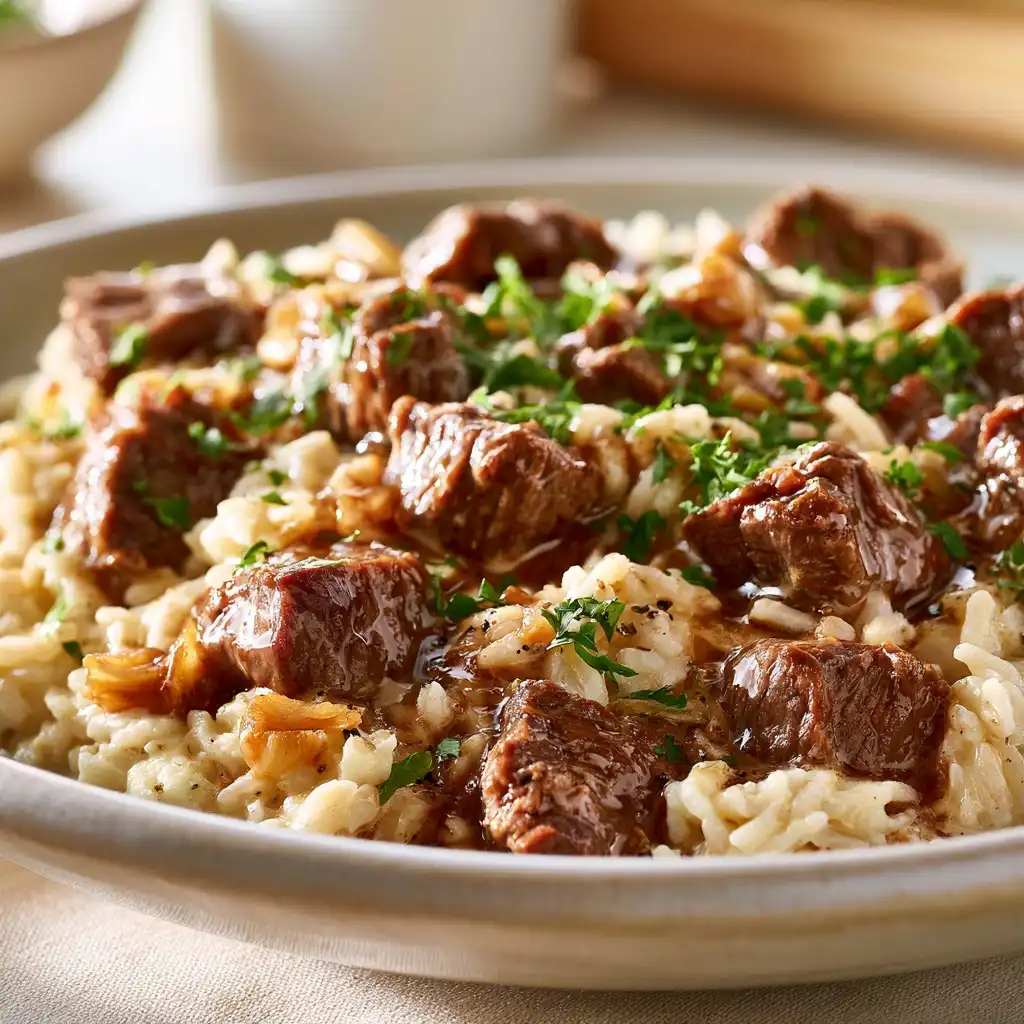
This Dinner Solves the Weeknight Takeout Problem
There are nights when takeout sounds perfect, but waiting, paying extra, and ending up with greasy rice is not the dream. This shrimp fried rice recipe solves that exact problem with one pan, simple ingredients, and a fast cooking order that gives you savory, satisfying flavor in less time than delivery.
What makes this version especially useful is that it is built for real-life home kitchens. You do not need a wok burner, mystery sauces, or restaurant timing. You just need cold rice, a hot skillet, and a few smart choices that keep the shrimp juicy and the rice separate instead of soft and clumpy.
This is the kind of recipe that feels like a win because it does two jobs at once. It gives you comfort-food flavor, and it helps you use up leftover rice in a way that actually feels exciting.
If you already love quick rice-based dinners, you might also enjoy this 20-Minute Chicken Fried Rice (One Pot) on busy nights. And if you want another easy shrimp option for a different mood, Authentic Garlic Butter Shrimp: A Healthy 15-Minute Weeknight Dinner is a great backup.
The 5 Choices That Make Fried Rice Taste Right
Homemade fried rice usually goes wrong for one of five reasons. The good news is that each one has a simple fix.
1. Use cold rice, not freshly cooked rice
Fresh rice is too soft and steamy. When it hits the pan, it tends to clump and turn mushy instead of frying. Day-old rice is ideal because the grains dry slightly in the fridge, which helps them separate and crisp at the edges.
If you only have fresh rice, spread it on a sheet pan or large plate and chill it until the surface moisture is gone. It will not be exactly the same as day-old rice, but it will be much better than tossing warm rice straight into the skillet.
2. Cook the shrimp briefly
Shrimp cook fast, and that is part of what makes this dinner so convenient. The trick is to pull them from the pan as soon as they turn pink and opaque, then bring them back at the end so they stay tender instead of rubbery. The FDA says shrimp are done when the flesh becomes pearly and opaque, and most seafood should reach 145°F if checked with a thermometer.
3. Keep the pan hot and the sauce light
Fried rice needs heat more than it needs a lot of sauce. Too much liquid makes the rice steam. A small amount of soy sauce, a touch of sesame oil, and a little butter or neutral oil create flavor without drowning the grains.
4. Give each ingredient its own moment
When everything goes into the pan at once, nothing cooks well. The shrimp need a quick sear. The eggs need a brief scramble. The vegetables need just enough time to soften. Then the rice gets the full pan contact it needs.
5. Season in layers
Restaurant fried rice tastes deep because flavor builds step by step. Salt the shrimp lightly, season the eggs, and then finish the rice with soy sauce and aromatics. It tastes more balanced than trying to fix everything at the end.
Your Better-Than-Takeout Ingredient Lineup
This section gives you the full ingredient picture, but also tells you why each one matters so you can make smart swaps without losing the point of the dish.
Main ingredients
- 1 pound large shrimp, peeled and deveined
- 3 cups cooked cold jasmine rice
- 2 large eggs
- 1 cup frozen peas and carrots, thawed
- 3 green onions, thinly sliced
- 3 cloves garlic, minced
- 1 tablespoon fresh ginger, minced
- 3 tablespoons low-sodium soy sauce
- 1 teaspoon sesame oil
- 2 tablespoons neutral oil, divided
- 1 tablespoon butter
- 1/2 teaspoon kosher salt, plus more to taste
- 1/4 teaspoon black pepper
- Optional: pinch of red pepper flakes
Why these ingredients work
Jasmine rice gives you that familiar takeout-style feel because it cooks fluffy and aromatic. Long-grain white rice works too, but jasmine is especially good here.
Shrimp bring quick-cooking protein and a naturally sweet flavor that works beautifully with soy sauce, garlic, and ginger.
Eggs add richness and help make the dish feel complete, not like a side pretending to be dinner.
Peas and carrots are classic for a reason. They add a little sweetness, color, and convenience without slowing down the cook time.
Garlic and ginger are the fast flavor builders. They make the kitchen smell amazing and push the recipe closer to that craveable takeout profile.
Soy sauce and sesame oil should be used with intention. Soy sauce gives the salty, savory base. Sesame oil brings that recognizable finish, but a little goes a long way.
If you like practical meal-prep meals with flexible ingredients, Citrus Garlic Shrimp Bowls are another smart way to keep shrimp in your dinner rotation.
Set Up the Pan Before the Heat Starts
This recipe moves fast once the skillet gets hot, so the most helpful thing you can do is prep like you mean it.
Set the shrimp on paper towels and pat them dry. That one small move helps them sear instead of release water. Toss them with salt and pepper, then keep them nearby.
Crack the eggs into a small bowl and beat them lightly. In separate bowls, place the peas and carrots, the garlic and ginger, and the soy sauce mixed with sesame oil.
Break up the cold rice with your hands or a fork before it goes anywhere near the pan. If you add one solid brick of rice, you will spend too long trying to separate it and not enough time actually frying it.
A large nonstick skillet is great for this recipe, but a well-seasoned stainless or carbon steel pan works too. The main thing is surface area. The rice needs room.
The Fast Cook Order That Keeps Everything Tender and Separate
This is where the recipe becomes easy, because the order does the hard work for you.
1. Sear the shrimp
Heat 1 tablespoon of neutral oil in a large skillet over medium-high heat. Add the shrimp in a single layer and cook for 1 to 2 minutes per side, just until pink and opaque. Transfer them to a plate right away.
Do not wait for perfect golden crust on every piece. In fried rice, slightly undercooking the shrimp is smarter than overcooking them, because they will warm through again at the end.
2. Scramble the eggs
Reduce the heat slightly if the pan feels too hot. Add the butter, then pour in the beaten eggs. Scramble gently until just set, then push them to a plate or the side of the pan.
You are not aiming for dry, firm egg pieces. Soft scrambled bits stay more tender after they mix into the rice.
3. Wake up the aromatics and vegetables
Add the remaining tablespoon of oil, then stir in the garlic, ginger, peas, and carrots. Cook for about 1 to 2 minutes, just until fragrant and warmed through.
This stage should smell like dinner is about to happen. If the garlic starts browning too fast, lower the heat slightly.
4. Fry the rice, not just warm it
Add the cold rice and spread it out across the skillet. Let it sit for 20 to 30 seconds before stirring. Then toss and press again.
Repeat this for 2 to 4 minutes. That pause between stirs is what helps the grains get a little toasty and keeps the texture from feeling steamed.
5. Add sauce with restraint
Drizzle the soy sauce and sesame oil mixture around the edges of the pan rather than dumping it in one spot. Toss until the rice is evenly coated.
You want the rice lightly glossy, not dark and wet. Taste before adding extra soy sauce.
6. Bring everything back together
Return the eggs and shrimp to the skillet. Add most of the green onions and toss for 30 to 60 seconds, just until everything is hot.
Finish with the remaining green onions on top. Serve immediately.
How to Tell It’s Working While You Cook
A good fried rice recipe gets easier once you know the signs that you are on track.
The shrimp
They should look curved, pink on the outside, and opaque in the center. If they tighten into tiny hard curls, they have gone too far. The FDA also notes that shrimp should look pearly and opaque when properly cooked.
The rice
It should separate easily when you stir it. Some grains may pick up golden spots from the skillet, and that is a very good sign. If it looks sticky or pasty, the pan is crowded or the rice was too warm.
The aroma
You should smell garlic, ginger, soy sauce, and toasted rice more than sesame oil. If sesame oil dominates, you likely used too much.
The finish
The final dish should feel like a complete dinner in one bowl: savory, lightly buttery, a little sweet from the peas and carrots, and full of little texture contrasts.
For a similar comfort-food feel with a different protein, Beef and Broccoli Recipe (One Pan, 25 Minutes!) fits the same quick-dinner mindset.
Easy Swaps When Dinner Needs to Flex
One reason this recipe is so useful is that it can bend without breaking.
If you need more vegetables
Add diced bell pepper, finely chopped broccoli, edamame, or corn. Just avoid watery vegetables unless you cook them long enough to lose excess moisture.
If you want more heat
Add red pepper flakes, chili crisp at the table, or a little sriracha. Keep the base version balanced first, then make it spicy.
If you are out of shrimp
Use cooked chicken, salmon, or extra eggs. The method stays mostly the same, though the cooking times change.
If you want a more takeout-style finish
A tiny pinch of sugar can round out the soy sauce and make the final flavor feel more like restaurant fried rice. Not sweet, just more complete.
If you want a lighter feel
Increase the vegetables and slightly reduce the rice. You still get the fried-rice experience, just with a fresher balance.
Leftovers, Reheat Wins, and Common Questions
Leftover shrimp fried rice is genuinely useful, but it needs prompt chilling because both cooked rice and seafood are perishable. USDA guidance says leftovers should be refrigerated within two hours, ideally in shallow containers for quick cooling, and used within 3 to 4 days. When reheating leftovers, bring them to 165°F.
How should I store it?
Let the fried rice cool slightly, then transfer it to a shallow airtight container. Refrigerate promptly.
What is the best way to reheat it?
A skillet is best. Add a tiny splash of water or a few drops of oil, then stir over medium heat until hot. The microwave works too, but cover it loosely so the rice does not dry out.
Can I freeze it?
Yes, though the shrimp texture may soften a bit after thawing. Freeze in portions for convenience.
Can I use freshly cooked rice?
You can, but chill it first. Even 30 to 45 minutes spread out on a tray helps.
What should I serve with it?
Honestly, it works beautifully on its own. But if you want to build a full takeout-style dinner at home, a crisp cucumber salad or simple sautéed greens would be great on the side.
This shrimp fried rice recipe earns a spot in the weeknight rotation because it is fast, deeply satisfying, and forgiving once you understand the order. It gives you the flavor payoff people want from takeout, but with fresher ingredients, better texture, and the little pride that comes from pulling off dinner yourself.