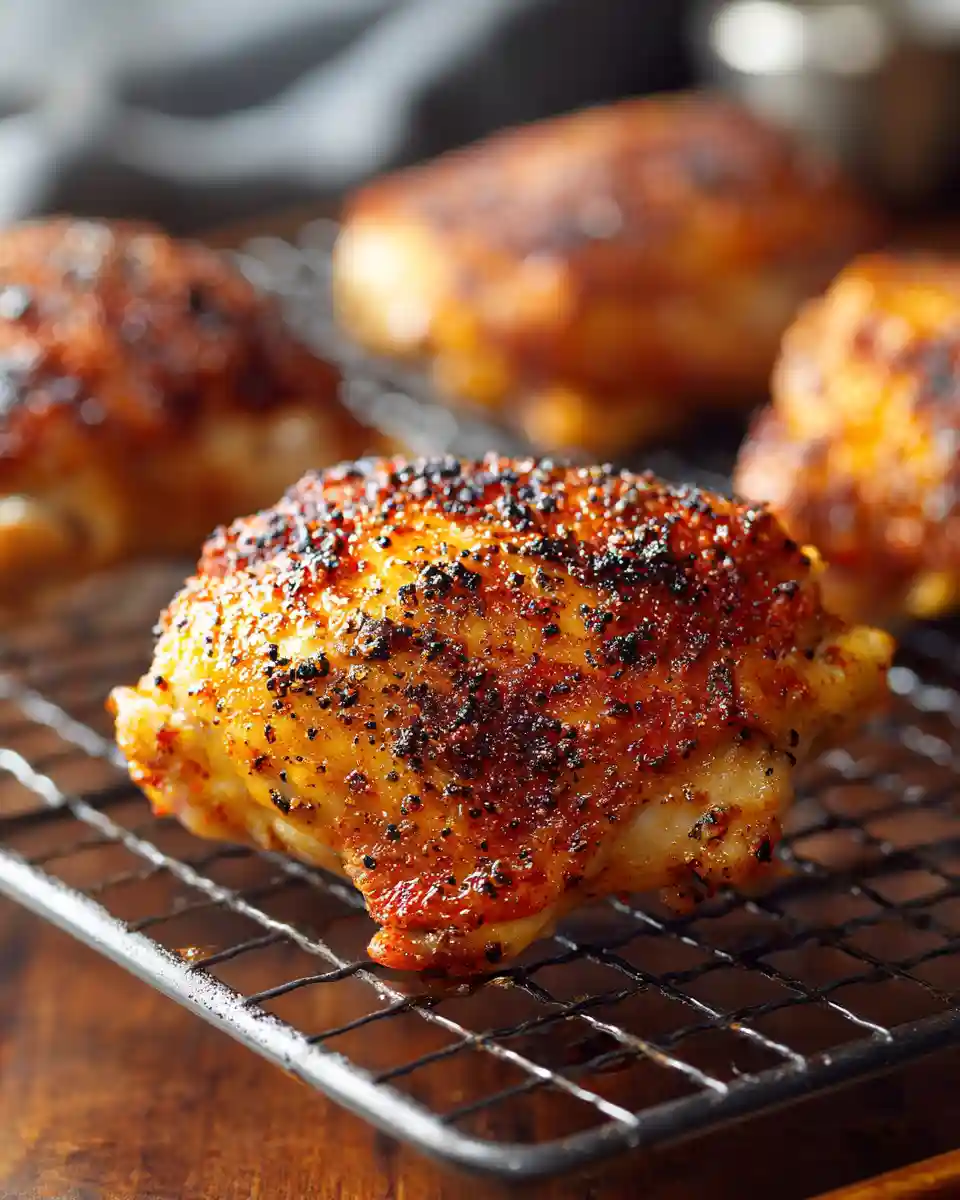
There is a distinct sound that signals a successful dinner: the audible crunch of perfectly rendered chicken skin, followed immediately by silence as everyone digs in. If you have ever pulled a tray of chicken out of the oven only to find the skin rubbery or the meat dry, you know the frustration. But when done right, crispy baked chicken thighs are the ultimate family meal—economical, forgiving, and deeply satisfying.
In professional kitchens, we don’t rely on luck to get that texture; we rely on managing moisture and heat. Chicken thighs are naturally richer in fat and connective tissue than breasts, which makes them the perfect candidate for high-heat roasting. They can take a beating in the oven and still come out incredibly juicy.
This guide isn’t just a recipe; it is a masterclass in texture. I’m going to walk you through the exact technique I use to guarantee shatteringly crisp skin without drying out the meat, turning a basic weeknight staple into a meal your family will request on repeat.
Why This Recipe Works: The Science of the Crunch
Achieving crispy skin in a home oven comes down to two main factors: dryness and airflow.
- Moisture is the Enemy: If the surface of the chicken is wet when it goes into the oven, the heat energy must first evaporate that water before it can start browning the skin. This creates steam, and steam creates soggy chicken. By thoroughly drying the skin and using a dry rub (rather than a wet marinade), we accelerate the Maillard reaction—the chemical process that creates browning and flavor.
- Fat Rendering: Chicken thighs have a layer of subcutaneous fat under the skin. As this fat heats up, it liquifies and essentially “fries” the skin from the inside out. If you cook at too low a temperature, the fat melts slowly without crisping the skin. We need high heat to render that fat efficiently.
- The Airflow Factor: Placing the chicken directly on a baking sheet causes the juices to pool around the base, resulting in “soggy bottom” syndrome. Elevating the chicken on a wire rack allows hot air to circulate 360 degrees around the thigh, ensuring the skin is crispy all over, not just on top.
Ingredient Deep Dive: Choosing the Right Cut
To get the results we want, the specific cut of chicken matters immensely.
- Bone-In, Skin-On Thighs: This is non-negotiable for this specific recipe. The bone acts as a thermal insulator, helping the meat cook more evenly and keeping it juicy near the center. The skin, obviously, is required for the crispiness. Boneless, skinless thighs are great for stir-frys, but they will dry out under the high heat required here. If you are struggling with dryness in other cuts, check out my guide on The Common Problem: Why Your Baked Chicken Thighs Are Dry (And How to Fix It).
- The Oil: We need an oil with a high smoke point. Olive oil is delicious, but for high-temperature roasting (400°F+), avocado oil or vegetable oil is often safer to prevent a smoky kitchen. However, standard olive oil (not extra virgin) works fine at 400°F.
- Baking Powder (The Secret Weapon): This is a trick often used for wings. A tiny pinch of baking powder (aluminum-free) mixed into the spice rub raises the pH level of the skin, which helps break down proteins and accelerates browning and crisping. It creates microscopic bubbles that harden into a crunchy texture.
Meal Planning Guide
One of the reasons this is such a stellar family dinner is its versatility. While the chicken roasts, you have hands-off time to prep sides.
Menu Pairing Ideas
- The Classic Comfort: Serve with creamy mashed potatoes and garlicky green beans. The rich chicken pairs perfectly with the starchy potatoes.
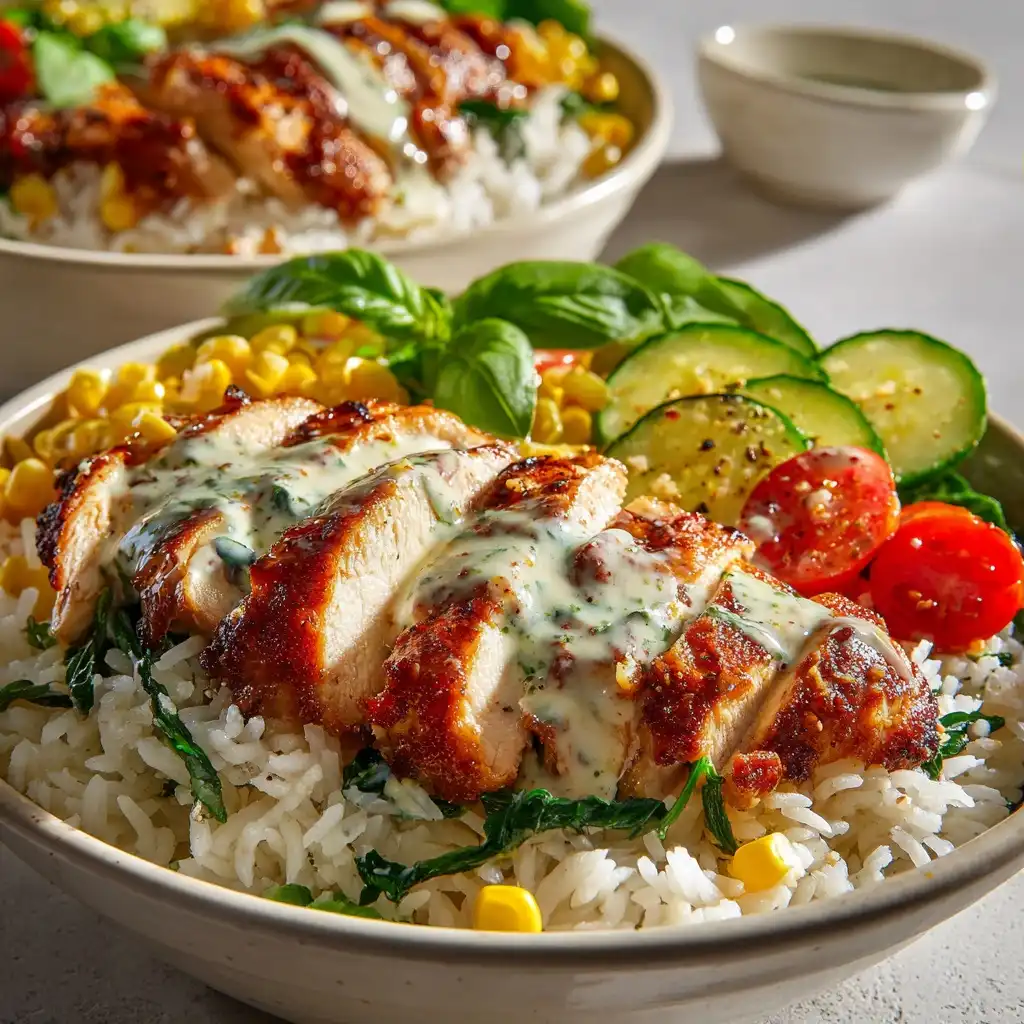
- The Light & Fresh: Pair with a large cucumber and tomato salad with a vinaigrette to cut through the richness of the chicken fat.
- The Sheet Pan Hack: If you have a large enough oven, roast hearty vegetables like carrots, Brussels sprouts, or potatoes on a separate rack below the chicken. For a dedicated walkthrough on this method, see my Sheet Pan Lemon Herb Chicken and Veggies.
Timeline for Success
- T-Minus 45 Mins: Preheat oven and prep the chicken (dry it thoroughly!).
- T-Minus 35 Mins: Chicken goes in.
- T-Minus 20 Mins: Start your side dishes (boil potatoes or chop salad).
- T-Minus 5 Mins: Check chicken temp. Let it rest.
- Dinner Time: Serve immediately while the skin is at its peak crispiness.
The Ultimate Crispy Baked Chicken Thighs Recipe
This recipe relies on a high-heat method. Do not be afraid of the temperature; the dark meat can handle it.
Prep time: 10 minutes Cook time: 35-40 minutes Total time: 50 minutes Servings: 4-6
Ingredients
- Chicken: 6-8 bone-in, skin-on chicken thighs (approx. 2.5 to 3 lbs)
- Oil: 2 tablespoons Avocado oil or Olive oil
- The Crispy Spice Rub:
- 1 tablespoon smoked paprika
- 2 teaspoons garlic powder
- 2 teaspoons onion powder
- 1 teaspoon dried oregano (or thyme)
- 1 teaspoon kosher salt (adjust to taste)
- 1/2 teaspoon freshly cracked black pepper
- 1 teaspoon baking powder (aluminum-free) — Optional, for extra crunch
- 1/2 teaspoon cayenne pepper (optional, for heat)
Instructions
- Preheat and Setup: Preheat your oven to 400°F (200°C). Line a rimmed baking sheet with aluminum foil for easy cleanup. Place a wire rack on top of the baking sheet. Lightly spray the rack with non-stick spray.
- The Crucial Drying Step: Remove the chicken thighs from the packaging. Using paper towels, pat the chicken dry thoroughly. Start with the bottom, then the top. Lift any folds of skin and dry underneath them, then stretch the skin back over the meat so it is smooth and taut. Do not skip this. Wet skin will never crisp.
- Mix the Rub: In a small bowl, combine the smoked paprika, garlic powder, onion powder, oregano, salt, pepper, and baking powder. Whisk to remove any lumps.
- Seasoning: Place the chicken thighs in a large bowl or on a clean work surface. Drizzle with the oil and toss to coat evenly. Sprinkle the spice rub over the chicken, ensuring every crevice is covered. I prefer to season under the skin slightly for extra flavor, but ensure the skin is laid flat again afterward.
- Arrange: Place the thighs skin-side up on the prepared wire rack. Leave a little space between each thigh; if they are touching, the touching edges will steam and remain soft.
- Roast: Place the baking sheet in the center of the oven. Roast for 35 to 45 minutes.
- Check for Doneness: The safe internal temperature for chicken is 165°F (74°C), but for thighs, I actually recommend cooking them to 175°F to 180°F (80°C – 82°C). Unlike breasts, thighs get more tender at higher temps as the connective tissue breaks down. Use an instant-read thermometer inserted into the thickest part (avoiding the bone).
- The Broil (Optional): If the skin isn’t quite as dark as you like, turn the broiler on for the final 1-2 minutes. Watch it like a hawk—paprika burns easily!
- Rest: Remove from the oven and let the chicken rest on the rack for 5-10 minutes. This allows the juices to redistribute. If you cut into it immediately, the juice will run out, and you will lose flavor.
Chef’s Tip
If you want to add a sauce (like BBQ or a glaze), do not add it at the beginning. The sugar will burn, and the liquid will soften the skin. Instead, brush sauce on during the last 5 minutes of cooking, or serve it on the side. For a deep dive on saucing techniques, read Master the Art of Crispy Caramelized BBQ Chicken Thighs in the Oven.
5 Creative Variations
Once you master the technique, you can swap the flavor profile easily.
- Lemon Pepper: Omit the paprika and chili. Use 1 tablespoon lemon zest, extra black pepper, and garlic powder. Squeeze fresh lemon juice over the chicken after roasting (doing it before softens the skin).
- Garlic Parmesan: Roast as directed with salt, pepper, and garlic powder. In the last 2 minutes, sprinkle with grated Parmesan cheese and return to the oven just until the cheese melts and crisps up.
- Spicy Cajun: Increase the cayenne to 1 teaspoon and add dried thyme and cumin to the rub mixture.
- Honey Butter Finish: Melt 2 tablespoons of butter with 1 tablespoon of honey. Brush this gently over the crispy skin right before serving. It adds a sweet sheen without ruining the crunch if eaten immediately.
- Mediterranean Herb: Use dried rosemary, dried basil, and oregano. Serve with a side of tzatziki for dipping.
Storage and Reheating Guide
Let’s be honest: crispy skin is a “use it or lose it” texture. It is best eaten fresh. However, leftovers are still delicious if handled correctly.
- Storage: Store leftover chicken in an airtight container in the refrigerator for up to 3-4 days. Note that the skin will soften in the fridge due to moisture redistribution.
- Reheating (The Air Fryer Method): The air fryer is the absolute best way to revive crispy skin. Reheat at 375°F for 3-4 minutes.
- Reheating (The Oven Method): Place chicken on a wire rack over a baking sheet. Bake at 400°F for 10-15 minutes until heated through.
- Avoid the Microwave: Microwaving will turn the skin into a rubbery, flabby mess. Only use the microwave if you plan to remove the skin and shred the meat for salads or tacos.
Troubleshooting: Why Isn’t It Crispy?
Even with the best intentions, things can go wrong. Here is how to fix common issues:
Problem: The skin is chewy and rubbery.
- Cause: The oven temp was too low, or the chicken was too crowded.
- Solution: Ensure your oven is fully preheated to 400°F or even 425°F. Make sure there is at least an inch of space between thighs on the rack.
Problem: The spices burned before the chicken cooked.
- Cause: Too much sugar in the rub or the rack was too high in the oven.
- Solution: If using a rub with sugar (like brown sugar), lower the temp to 375°F and cook longer. Position the rack in the middle of the oven, not the top.
Problem: The meat is tough.
- Cause: believe it or not, thighs are often tough because they are undercooked.
- Solution: Thighs need time for the collagen to melt into gelatin. If the internal temp is only 165°F, it might still have a “snappy” or tough texture. Aim for 175°F+.
Problem: Smoke in the kitchen.
- Cause: Fat dripping onto the hot pan below and burning.
- Solution: Place a layer of aluminum foil on the baking sheet below the rack. You can also add a few tablespoons of water to the bottom tray (not touching the chicken) to catch drips and prevent smoking, though this creates a bit of steam which might slightly reduce crispiness. A clean oven is also key!
Frequently Asked Questions
Can I use this method for chicken breasts? You can, but you must reduce the cooking time significantly. Breasts dry out very quickly at 400°F. I recommend checking them after 20 minutes. For a recipe specifically designed for juicy meat with a sauce, try Creamy Oven Baked Chicken Thighs: The Ultimate Recipe for Juicy Meat and Perfect Sauce.
Do I have to use a wire rack? It is highly recommended for the best result. If you don’t have one, you can place the chicken directly on the foil, but the bottom skin will be soft and wet. You can also rest the chicken on a bed of thick onion slices or potatoes to lift it up slightly.
Is it safe to wash chicken before cooking? No. According to the USDA, washing raw poultry risks spreading bacteria to your sink and countertops via splashing water. Cooking the chicken to the proper temperature kills any bacteria. Plus, washing adds moisture, which is the enemy of crispy skin!
Can I marinate the chicken first? If you marinate in liquid, you must pat it extremely dry before baking. The liquid penetrates the meat for flavor, but surface moisture ruins the crunch. I prefer dry rubs for this specific “crispy” outcome.
Why is my chicken pink near the bone? Pigment from the bone marrow can sometimes leach out into the surrounding meat, causing a pink/red color even if the meat is fully cooked to temperature. If your thermometer reads 165°F+ (75°C+), it is safe to eat regardless of the color near the bone.