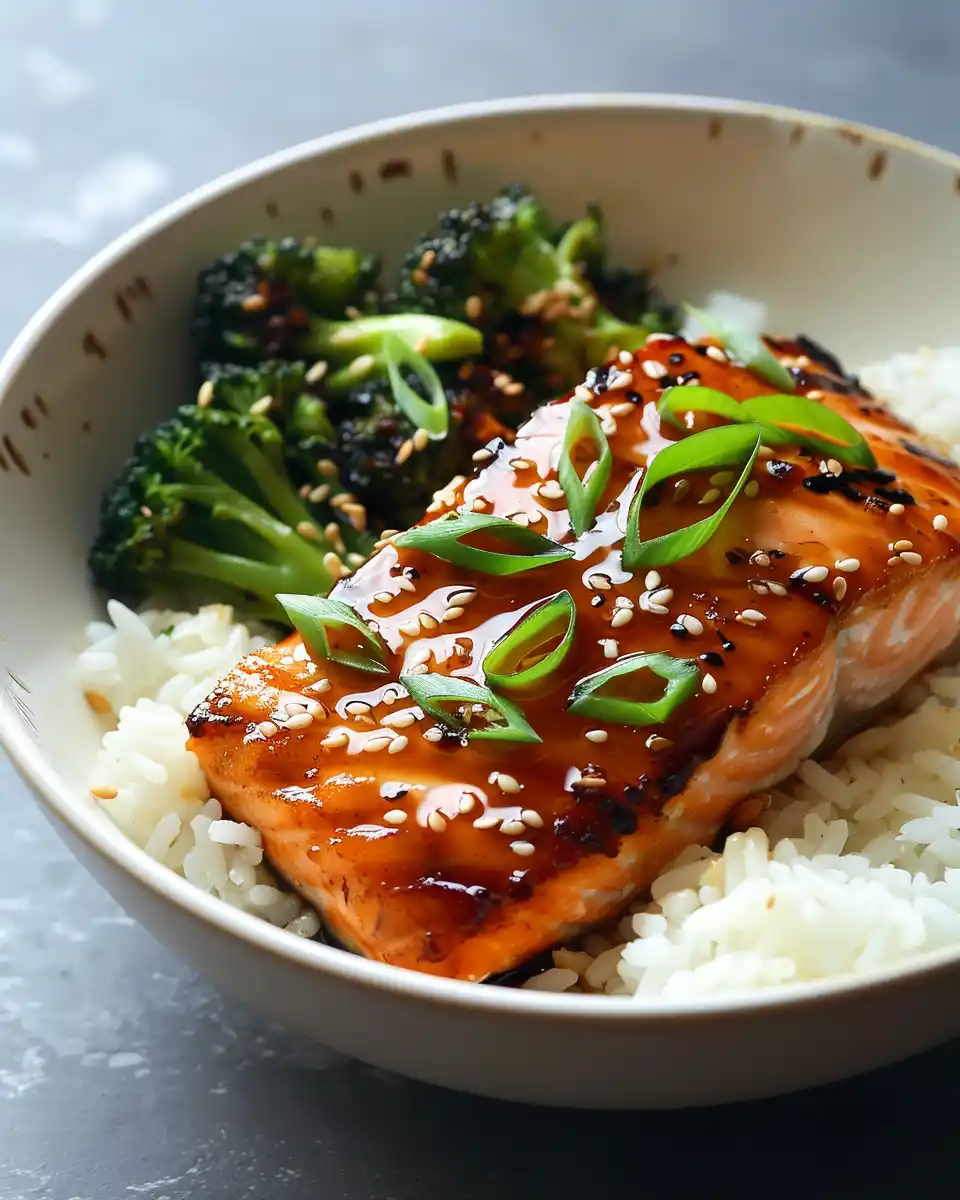
There is something truly magical about the moment fresh ginger and soy sauce hit a hot pan. The kitchen immediately fills with a savory, aromatic scent that promises a meal far better than any takeout. If you are looking for a dinner that feels sophisticated but takes less than 30 minutes to pull together, this Ginger Soy Salmon with Rice is your new best friend.
As a busy home cook, I know the struggle of wanting a healthy, flavorful meal without spending hours at the stove. This recipe delivers a velvety, flaky texture with a sticky glaze that balances the heat of ginger with the deep umami of soy. It is a dish that looks like it came from a high-end bistro but is simple enough for a hectic Tuesday night.
The Heart of the Dish: A Brief Backstory
The combination of ginger and soy is a cornerstone of East Asian cuisine, celebrated for its ability to cut through the richness of fatty fish like salmon. While traditional versions might use complicated reductions, our version focuses on accessibility. We want the natural flavors of the fish to shine through while being hugged by a sauce that is both sweet and salty.
By pairing this with a fluffy bed of rice, you create a complete meal that hits every taste bud. Whether you are a seasoned cook or just starting your culinary journey, this dish is designed to give you a “win” in the kitchen every single time.
Ingredients You Will Need
Before we dive into the sizzle of the pan, let’s gather our ingredients. For the best results, try to use the freshest ginger you can find—it makes a world of difference in the final aroma.
- 4 Salmon Fillets: (Approx. 6 oz each), skin-on or skinless based on preference.
- 1/4 cup Soy Sauce: Use low-sodium if you are watching your salt intake.
- 2 tablespoons Honey: To create that signature sticky glaze.
- 1 tablespoon Fresh Ginger: Grated finely.
- 2 cloves Garlic: Minced or pressed.
- 1 tablespoon Rice Vinegar: For a hit of necessary acidity.
- 1 tablespoon Toasted Sesame Oil: For a nutty, deep finish.
- 2 cups Jasmine Rice: Cooked according to package instructions.
- Garnish: Sliced green onions and toasted sesame seeds.
Step-by-Step Instructions for Success
- Prepare the Glaze: In a small bowl, whisk together the soy sauce, honey, grated ginger, minced garlic, rice vinegar, and sesame oil. Set aside about two tablespoons of this mixture to use as a finishing sauce later.
- Marinate the Salmon: Place your salmon fillets in a shallow dish or a zip-top bag. Pour the remaining marinade over the fish, ensuring they are well-coated. Let them sit for at least 15 minutes at room temperature. This allows the flavors to penetrate the flesh.
- Prep the Rice: While the salmon marinates, cook your rice. I highly recommend using Jasmine rice for its floral aroma and slightly sticky texture, which holds the sauce beautifully. You might also enjoy learning about Easy teriyaki chicken rice bowl 20 min for another great rice-based meal.
- Sear the Salmon: Heat a large non-stick skillet over medium-high heat. Add a splash of neutral oil. Place the salmon fillets in the pan (skin-side down if using skin-on). Cook for 4 to 5 minutes until the skin is crisp and golden.
- Flip and Glaze: Carefully flip the fillets. Pour the reserved two tablespoons of sauce into the pan. Cook for another 3 to 4 minutes. The sauce will begin to bubble and thicken into a glistening glaze.
- Check for Doneness: The salmon is ready when it flakes easily with a fork and reaches an internal temperature of 145°F (63°C).
- Assemble and Serve: Spoon a generous portion of rice onto a plate, top with a salmon fillet, and drizzle any remaining pan juices over the top. Garnish with green onions and sesame seeds.
Ingredient Substitution Matrix
If you find yourself missing an ingredient, don’t worry! Here is a quick guide to keeping the flavor on track.
| Original Ingredient | Best Substitute | Why it Works |
| Soy Sauce | Tamari | Keeps the dish 100% gluten-free. |
| Honey | Maple Syrup | Provides a similar sticky sweetness. |
| Rice Vinegar | Lime Juice | Adds a bright, citrusy acidity. |
| Fresh Ginger | Ground Ginger (1/2 tsp) | Use in a pinch, though less aromatic. |
| Jasmine Rice | Brown Rice | Adds a nutty flavor and more fiber. |
Top 3 Pro Tips for Success
- Pat the Fish Dry: Before marinating, pat your salmon fillets dry with a paper towel. This helps the marinade stick and ensures you get a better sear in the pan.
- Don’t Overcrowd the Pan: If your fillets are touching, they will steam rather than sear. Use a large enough skillet or cook in batches to maintain that crisp exterior.
- The Ginger Grating Trick: Keep your fresh ginger root in the freezer! It is much easier to grate when frozen, and you won’t end up with those stringy fibers in your sauce.
Common Mistakes to Avoid
One of the biggest mistakes home cooks make is overcooking the salmon. Salmon continues to cook for a minute or two after being removed from the heat. Take it off the pan when it is just slightly translucent in the very center.
Another pitfall is using too much heat too fast. Because this sauce contains honey, it can burn if the pan is screaming hot. Keep it at a steady medium-high to ensure the fish cooks through while the glaze caramelizes without turning bitter. If you love perfectly cooked seafood, check out our Sheet pan lemon herb salmon for a different flavor profile.
What to Serve with Ginger Soy Salmon
To make this a well-rounded meal, I love adding a vibrant vegetable to the plate. Steamed broccoli or sautéed bok choy are classic choices that soak up the extra ginger soy sauce perfectly. If you want something cold and refreshing on the side, this Asian chicken salad with crunchy vegetables makes for a fantastic pairing or a great lunch the next day.
For a crunchier texture, try quick-pickled cucumbers. Simply slice cucumbers thinly and toss them with a little rice vinegar, sugar, and a pinch of salt. The cool, crisp bite of the cucumbers is the perfect foil to the warm, savory salmon.
Frequently Asked Questions
Can I use frozen salmon for this recipe?
Absolutely! Just ensure the salmon is completely thawed and patted dry before you begin the marination process. Thawing in the refrigerator overnight is the safest and best method for texture.
Is this recipe spicy?
As written, this recipe is mild. The ginger provides a warm zing but not “heat.” If you want a spicy kick, feel free to add a teaspoon of sriracha or red pepper flakes to the glaze.
How do I store leftovers?
You can store leftover salmon and rice in an airtight container in the fridge for up to 2 days. To reheat, use a low heat in the microwave or a pan to avoid drying out the fish.
Can I bake this instead of pan-searing?
Yes! Pre-heat your oven to 400°F (200°C) and bake for 12 to 15 minutes. However, you won’t get the same caramelized crust as you do in the skillet.
Is this dish healthy?
Salmon is an incredible source of Omega-3 fatty acids and high-quality protein. By using ginger and garlic, you are also adding anti-inflammatory benefits to your meal. It’s a win for your taste buds and your health!
Final Thoughts
This Ginger Soy Salmon with Rice is more than just a recipe; it’s a solution for those nights when you want to feel nourished and pampered without the stress. The balance of flavors is sophisticated, yet the preparation is humble. I hope this becomes a frequent guest at your dinner table!