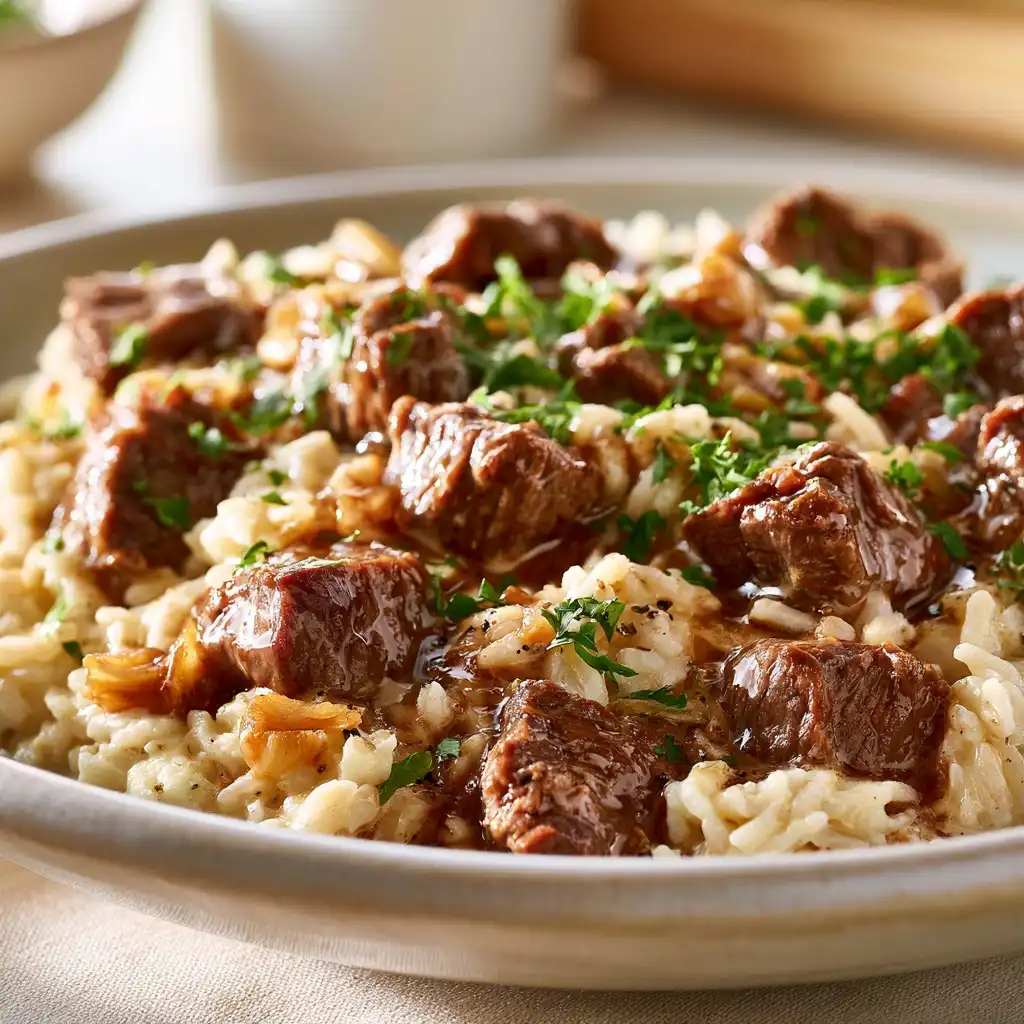
Finding a dinner that feels like a five-star restaurant meal but fits within a busy Tuesday night schedule is the ultimate kitchen win. This Creamy Salmon Skillet with Spinach is exactly that. As a nutritionist, I am often asked how to make healthy fats—like those found in wild-caught salmon—taste indulgent without relying on heavy, processed fillers.
The result is a velvety, garlic-infused sauce that coats perfectly seared salmon fillets, all while packing in a massive serving of leafy greens. Whether you are following a keto lifestyle or simply looking for a high-protein meal that actually satisfies your cravings, this one-pan wonder is about to become a staple in your rotation.
The Nutritional Powerhouse Behind the Plate
Before we dive into the skillet, let’s look at why this recipe is a functional medicine favorite. Salmon is arguably the best source of Omega-3 fatty acids (EPA and DHA), which are essential for reducing systemic inflammation and supporting heart health. When paired with spinach—a leafy green rich in Vitamin K, folate, and non-heme iron—you aren’t just eating dinner; you’re fueling your cellular health.
If you enjoy nutrient-dense seafood, you might also love this shrimp quinoa power bowl for a high-fiber lunch option.
Ingredients You’ll Need
To ensure the best results, I recommend using fresh, high-quality ingredients. Here is your shopping list:
- Salmon Fillets: 4 (6-ounce) fillets, skin-on or skinless depending on preference.
- Baby Spinach: 5 ounces (about 4-5 packed cups), fresh.
- Heavy Cream: 1 cup (or full-fat canned coconut milk for a dairy-free version).
- Chicken Broth: 1/2 cup (low sodium is best).
- Garlic: 4 cloves, minced (fresh garlic provides superior flavor and Allicin benefits).
- Shallot: 1 small, finely diced.
- Lemon Juice: 1 tablespoon, freshly squeezed.
- Olive Oil: 2 tablespoons, divided.
- Sea Salt & Black Pepper: To taste.
- Red Pepper Flakes: 1/4 teaspoon (optional, for a subtle warmth).
- Fresh Parsley: 2 tablespoons, chopped for garnish.
Step-by-Step Instructions
1. Prep and Sear the Salmon
Pat the salmon fillets completely dry with a paper towel. This is the secret to a golden-brown crust. Season both sides generously with sea salt and black pepper. In a large skillet, heat 1 tablespoon of olive oil over medium-high heat. Once the pan is shimmering, add the salmon (flesh-side down if skin-on). Sear for 4–5 minutes until a crust forms, then flip and cook for another 2 minutes. Remove the salmon from the pan and set it aside on a plate; it will finish cooking in the sauce later.
2. Sauté the Aromatics
Lower the heat to medium. In the same skillet, add the remaining tablespoon of olive oil. Add the diced shallots and sauté for 2 minutes until translucent. Stir in the minced garlic and red pepper flakes, cooking for just 30–60 seconds until fragrant and aromatic, taking care not to burn the garlic.
3. Build the Creamy Base
Pour in the chicken broth to deglaze the pan, scraping up any browned bits (the “fond”) from the bottom—this is where the deep flavor lives. Stir in the heavy cream. Bring the mixture to a gentle simmer. Let it cook for 3–5 minutes until the sauce begins to reduce slightly and thicken.
4. Wilt the Spinach
Add the fresh baby spinach to the skillet in handfuls. It will look like a lot, but it wilts down quickly. Stir the spinach into the cream sauce for 1–2 minutes until it is bright green and soft. Stir in the fresh lemon juice to cut through the richness of the cream.
5. Finish and Serve
Place the seared salmon fillets back into the skillet, nestled into the spinach and sauce. Spoon some of the sauce over the fish. Simmer for another 2–3 minutes until the salmon is cooked through to your desired doneness (an internal temperature of 145°F or 63°C). Garnish with fresh parsley and serve immediately.
For another variation on pan-seared seafood, check out our steak creamy garlic shrimp recipe.
Health Benefits Deep Dive
As a nutritionist, I evaluate recipes based on their “nutrient density score.” This skillet ranks incredibly high for several reasons:
- Brain Health: The DHA in salmon is a primary structural component of the human brain.1 Regular consumption is linked to improved cognitive function and mood regulation.
- Bone Density: This recipe provides a synergistic combination of Vitamin D (from salmon) and Vitamin K (from spinach), both of which are critical for calcium absorption and bone mineralization.
- Metabolic Support: By focusing on high protein and healthy fats while keeping net carbohydrates low, this meal helps stabilize blood sugar levels, preventing the “after-dinner crash” often associated with pasta-heavy meals.
Ingredient Substitution Matrix
If you have dietary restrictions, use this guide to adapt the recipe without losing the signature “creamy” texture.
| Ingredient | Healthy Swap | Why it Works |
| Heavy Cream | Full-Fat Coconut Milk | Provides a similar viscosity and healthy medium-chain triglycerides (MCTs). |
| Baby Spinach | Chopped Kale | Kale holds its texture longer; just ensure you remove the tough ribs. |
| Shallots | Red Onion | Offers a sharper bite but softens beautifully when sautéed. |
| Chicken Broth | Vegetable Broth | A perfect 1:1 swap for those preferring a different flavor profile. |
| Salmon | Steelhead Trout | Very similar flavor and Omega-3 profile, often at a lower price point. |
Macro Breakdown (Per Serving)
- Calories: 410 kcal
- Protein: 34g
- Total Fat: 28g
- Net Carbs: 5g
- Fiber: 2g
Frequently Asked Questions
Can I use frozen salmon for this recipe?
Yes! However, ensure the salmon is completely thawed and patted dry before searing. If there is excess moisture, the salmon will steam rather than sear, and you will miss out on that delicious crust.
How do I prevent the cream sauce from curdling?
The key is to keep the heat at a gentle simmer. If the sauce boils too vigorously, the proteins in the dairy can separate. Adding the lemon juice at the very end also helps stabilize the sauce.
Is this recipe suitable for meal prep?
Salmon is best enjoyed fresh, but you can store leftovers in an airtight container for up to 2 days. When reheating, use a low heat on the stovetop and add a splash of broth to loosen the sauce.
What should I serve with this?
To keep it low-carb, serve over cauliflower rice or zucchini noodles. If you aren’t strictly keto, it pairs beautifully with roasted fingerling potatoes or a small portion of wild rice.
Can I use milk instead of heavy cream?
I don’t recommend standard milk as it is too thin and lacks the fat content to thicken into a proper sauce. If you want a lighter option, use half-and-half combined with a teaspoon of cornstarch.
Pro Tips for Success
- Don’t Overcook the Fish: Salmon continues to cook for a minute after being removed from the heat. Pull it when it is slightly translucent in the very center for the juiciest texture.
- Room Temperature: Take your salmon out of the fridge 15 minutes before cooking. Cold fish hitting a hot pan can cause the fibers to toughen.
- Fresh Herbs Matter: Don’t skip the parsley or the squeeze of lemon at the end. These “acidic and bright” notes balance the fat of the cream and the salmon.
For a different take on oven-prepared fish, see our sheet pan lemon herb salmon for an even easier cleanup.