There are few side dishes as universally loved, as deeply satisfying, or as perfectly suited for a holiday table or a cozy weeknight dinner as scalloped potatoes. That delicate balance of tender, thinly sliced potatoes baked in a rich, bubbling, creamy sauce is comfort food in its purest form.
But for the millions of people in the U.S. and around the world managing lactose intolerance, this classic dish often comes with a painful trade-off. The traditional recipe relies heavily on heavy cream or whole milk and butter—ingredients loaded with the difficult-to-digest milk sugar, lactose.
My goal here is simple: to give you the ultimate, definitive recipe for lactose-free scalloped potatoes that is so unbelievably creamy, rich, and flavorful, no one—not even the biggest dairy lover—will suspect a thing. As a Registered Dietitian, I’ll walk you through not just the steps, but the science behind choosing the right substitutions, guaranteeing a flawless texture and a happy digestive system. This is your comprehensive, expert guide to pure comfort without compromise.
Health Benefits: Why Choose Lactose-Free?
Understanding why we swap ingredients is key to successful dietary cooking. Lactose intolerance is not an allergy; it’s a common digestive issue where the body doesn’t produce enough of the enzyme lactase to break down lactose. The result? Unpleasant symptoms like bloating, gas, and abdominal pain.
The beauty of this recipe is that by using Lactaid milk (or equivalent lactase-treated milk), we are achieving the exact same result as traditional milk—the creamy base—but with the lactose already broken down. This is an incredible tool for reclaiming comfort foods.
The Role of Lactaid in Creamy Dishes
Lactaid milk is real cow’s milk that has had the lactase enzyme added to it. This enzyme pre-digests the lactose into simpler sugars (glucose and galactose), making it readily digestible for most people with lactose intolerance.
- Taste and Texture: It tastes almost identical to regular milk, often slightly sweeter due to the pre-broken down sugars. Crucially, it behaves exactly like regular whole milk in the baking and thickening process. It won’t curdle or separate when heated with the flour and butter mixture (the roux), which is a common problem with lower-fat, non-dairy alternatives.
- Nutritional Consistency: Since it is still cow’s milk, you retain the important nutrients like calcium and vitamin D, making this a nutritionally reliable swap, not just a compromise.
By anchoring our recipe with this specific ingredient, we guarantee the velvety texture and authentic dairy flavor that makes scalloped potatoes a masterpiece, while satisfying your dietary needs.
Essential Ingredients: Expert Selection for a Flawless Dish
The success of a scalloped potato dish comes down to three things: the potatoes, the sauce, and the seasoning.
H3: Choosing Your Perfect Potato
While you can use almost any potato, there is an optimal choice for the best texture:
- Best Choice: Russet or Idaho (High Starch). High-starch potatoes break down slightly on the edges during baking. This releases starch into the sauce, acting as a natural thickener and binder. This helps prevent a watery sauce.
- Good Choice: Yukon Gold (Medium Starch). These hold their shape slightly better, resulting in a cleaner slice, but still offer a creamy texture and great flavor.
- The Slicing Mandate: Regardless of the type, your potatoes must be sliced uniformly, no thicker than 1/8-inch (3mm). Thicker slices will take longer to cook and the sauce may dry out before the potatoes are tender. Use a mandoline slicer for guaranteed consistency.
H3: Building the Lactose-Free Cream Sauce Core
This sauce is built on a classic roux—a mixture of fat and flour that serves as the backbone for thickening.
- Lactose-Free Butter: Look for stick butter clearly labeled “lactose-free.” This is crucial for the fat foundation of the roux.
- All-Purpose Flour: This thickens the sauce. You can easily use a gluten-free all-purpose blend (with xanthan gum) for a truly gluten-free and lactose-free dish.
- Lactaid Whole Milk: Using whole milk (or 2%) Lactaid is vital. The higher fat content ensures a rich, luxurious mouthfeel that low-fat milks cannot replicate.
- Cheese (The Flavor Bomb): While many aged hard cheeses, like sharp cheddar or Gruyère, are naturally very low in lactose (due to the aging process), for absolute safety in a sensitive system, opt for a cheese labeled lactose-free or simply use a high-quality plant-based alternative. Parmesan is an excellent, naturally lactose-free choice.
Preparation and Technique: The Art of the Layer
The layering technique is just as important as the ingredients. This is what guarantees every single potato slice is tender and surrounded by creamy sauce.
H3: The Laminating Layering Process
- Grease Your Dish: Use lactose-free butter to thoroughly grease a 9×13 inch baking dish.
- The Base Layer: Create a single, overlapping layer of potato slices. Do not stack them straight up; arrange them slightly fanned out.
- Sauce and Seasoning: Ladle a thin layer of the warm lactose-free cream sauce over the potatoes. Sprinkle with salt, pepper, and a pinch of cheese (if using).
- Repeat: Continue this process until all potatoes and sauce are used, ending with a final, generous layer of sauce and cheese on top. This ensures the sauce permeates every crevice.
- Cover to Cook: For the first half of the baking time (45-60 minutes), the dish should be fully covered with foil. This traps steam, ensuring the potato slices become fork-tender without the top drying out.
Substitutions & Dietary Swaps: Keeping It Inclusive
The versatility of this dish allows for several swaps, accommodating various dietary needs.
H3: Swaps for Different Dietary Needs
🥛 Truly Dairy-Free (Vegan) Adaptation
- Ingredient Swap: Swap Lactaid Milk for Full-Fat Canned Coconut Milk or Cashew Cream. Swap Lactose-Free Butter for Vegan Butter Sticks (e.g., Miyoko’s or Earth Balance).
- RD-Approved Tip: Full-fat coconut milk is essential for stability and richness. Cashew cream (soaked cashews blended with water) offers a neutral flavor. Crucially, do not use low-fat milk alternatives—they will curdle or separate.
🥕 Lower Carb Adaptation
- Ingredient Swap: Swap potatoes for thinly sliced celeriac (celery root) or a combination of potatoes and sliced zucchini.
- RD-Approved Tip: Celeriac is starchy and works well, but zucchini releases more water. Pre-salting and draining zucchini for 30 minutes is recommended to prevent a watery sauce.
🥜 Nut-Free Dairy-Free Adaptation
- Ingredient Swap: Use Oat Milk (Full-Fat Barista Blend). Avoid almond and cashew milks.
- RD-Approved Tip: Barista blends have higher fat and emulsifiers, mimicking dairy richness and stability better than standard oat milk. Always check labels to ensure the butter substitute is nut-free.
Expert Tips and Troubleshooting: Ensuring Perfection
H3: Essential Culinary Techniques
- Bloom the Garlic and Flour: Before adding the Lactaid milk, properly bloom the minced garlic (or shallots) in the melted lactose-free butter until fragrant (about 60 seconds). Then, stir in the flour and cook for 1-2 minutes, whisking constantly. This is the roux, and cooking it removes the raw, pasty flavor from the flour.
- Temper the Milk: When adding the Lactaid milk to the hot roux, pour it in slowly and whisk constantly. This is a form of tempering. Adding it gradually allows the starch molecules to absorb the liquid evenly, resulting in a perfect, lump-free béchamel base.
H3: Expert Troubleshooting Guide (Common Problems & Fixes)
Problem 1: The sauce is watery/runny.
- Root Cause: 1. Used low-fat milk alternative. 2. Not enough flour in the roux. 3. Used low-starch potatoes (e.g., waxy red potatoes).
- Solution/Expert Fix: Next time, use Lactaid Whole Milk. To save a watery, unbaked sauce, whisk a cornstarch slurry (1 tsp cornstarch mixed with 2 tbsp cold water) into the sauce before layering. Use Russet potatoes for their starch.
Problem 2: The potatoes are still crunchy.
🔍 Root Cause
- Slices were too thick (over 1/8-inch).
- Baking dish wasn’t fully covered at first, causing steam loss.
- Oven temperature was too high, drying the sauce before the potatoes cooked through.
✅ Solution / Expert Fix
- Cover the dish tightly with foil, lower the temperature to 350°F, and continue baking for 15–20 minutes.
- The internal temperature of perfectly cooked potatoes should reach 200–210°F.
Problem 3: The sauce is grainy or separated.
- Root Cause: The milk alternative (if not Lactaid) curdled due to low fat or high acidity.
- Solution/Expert Fix: This is hard to fix post-bake. Next time, use Lactaid Whole Milk. If using a dairy-free swap, add a tiny pinch of baking soda to the milk before heating it to neutralize any acidity and prevent separation.
Pairing, Plating, and FAQs
H3: Serving and Pairing Suggestions
Lactose-Free Scalloped Potatoes are the ultimate celebratory side dish. They pair perfectly with protein-centric main courses:
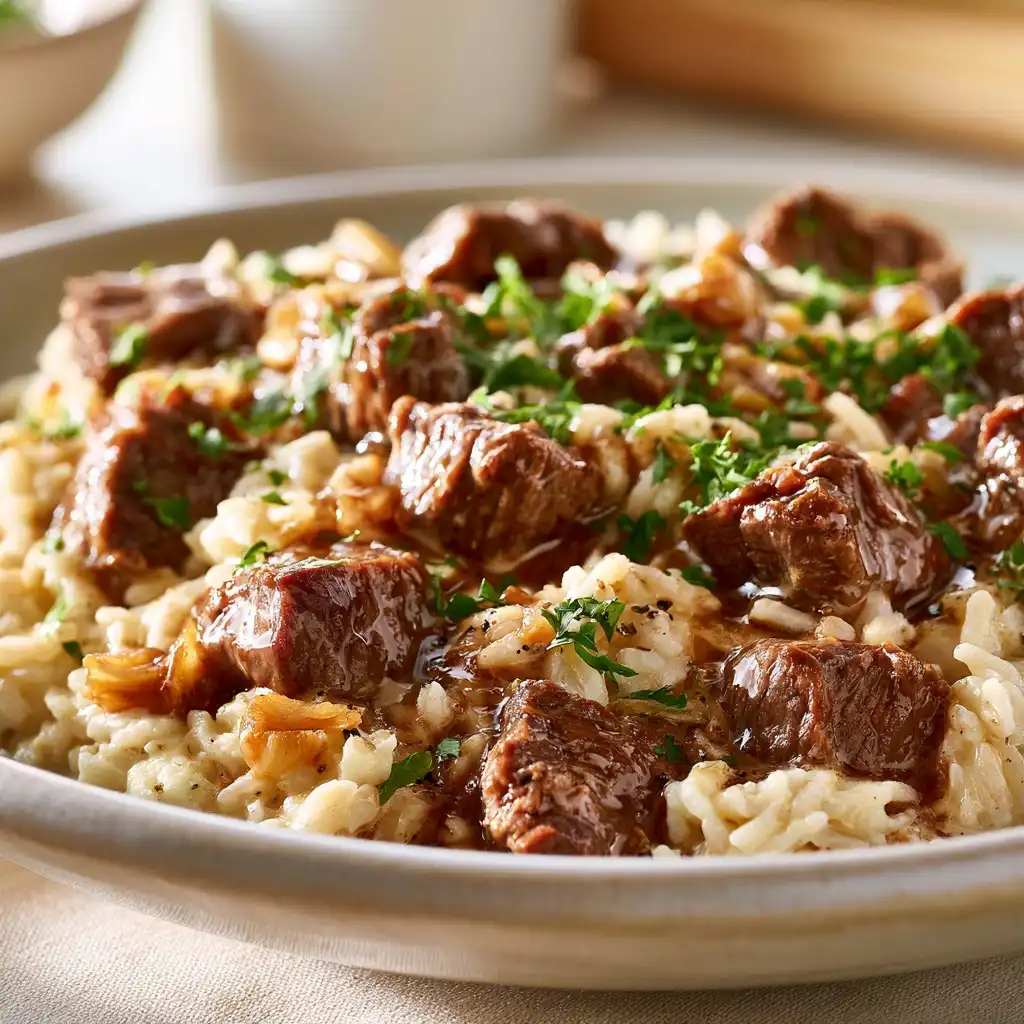
- Classic Comfort: Roast Turkey, Ham, or internal_link_1 (Pot Roast).
- Fiesta Flair (Pinterest Interest Alignment): Try serving them alongside grilled spice-rubbed chicken, pulled pork, or slow-cooked ribs, offering a creamy, satisfying counterpoint to bold flavors.
- Vegetarian Main: A simple pan-seared piece of tofu or a hearty lentil loaf offers a balanced meal.
H3: Frequently Asked Questions (FAQ)
Q: Can I make lactose-free scalloped potatoes ahead of time?
A: Yes, but with caution. You can assemble the dish completely (potatoes, sauce, cheese) up to 24 hours in advance. Cover it tightly and refrigerate. When ready to bake, let it sit on the counter for 30-45 minutes to lose the chill, then add 10-15 minutes to the total baking time. Do not bake then reheat, as the potatoes can become dry.
Q: Is it safe to use heavy cream if I’m lactose intolerant?
A: Heavy cream has slightly less lactose than milk, but it’s still present. For true comfort and safety, look for a lactose-free heavy cream alternative (often found with dairy-free products) or use half-and-half Lactaid milk. When in doubt, stick to the Lactaid whole milk specified in the recipe.
Q: Why did my sauce get too thick while cooking?
A: The main reasons are usually evaporating too much liquid or using too much flour in the roux. If your sauce is too thick before layering, simply whisk in an extra 1/4 cup of warm Lactaid milk until it reaches the consistency of thin pancake batter—it will thicken more in the oven.
Q: How do I store and reheat leftovers?
A: Store leftovers covered in the refrigerator for up to 3 days.
To reheat, the best method is in the oven — cover the dish with foil and bake at 325°F for 20–30 minutes, or until piping hot.
The microwave is faster but can dry out the edges. Add a splash of Lactaid milk before microwaving if you need to restore moisture.
Q: Can I add meat or vegetables to this recipe?
A: Absolutely! Adding layers of cooked, crumbled bacon, sautéed onions, or thinly sliced ham makes this a hearty main course. If adding vegetables, ensure they are pre-cooked or very thinly sliced (like mushrooms or spinach) so they don’t release too much moisture during the baking process. For a complete internal_link_3 (side dish pairing) idea, check out our guide on how to serve this.
Conclusion: The Definitive Side Dish, Finally Accessible
You now have the ultimate blueprint for the creamiest, most satisfying lactose-free scalloped potatoes—a recipe backed by both culinary technique and dietary science. No longer does a digestive sensitivity mean you must forgo one of life’s greatest comfort foods. By using simple, targeted swaps like Lactaid milk, we’ve ensured a plate full of rich, velvety flavor and absolutely zero discomfort.
Whether it’s for a cozy family dinner or a holiday feast, this recipe guarantees a stress-free and delicious result. Enjoy your guilt-free comfort!